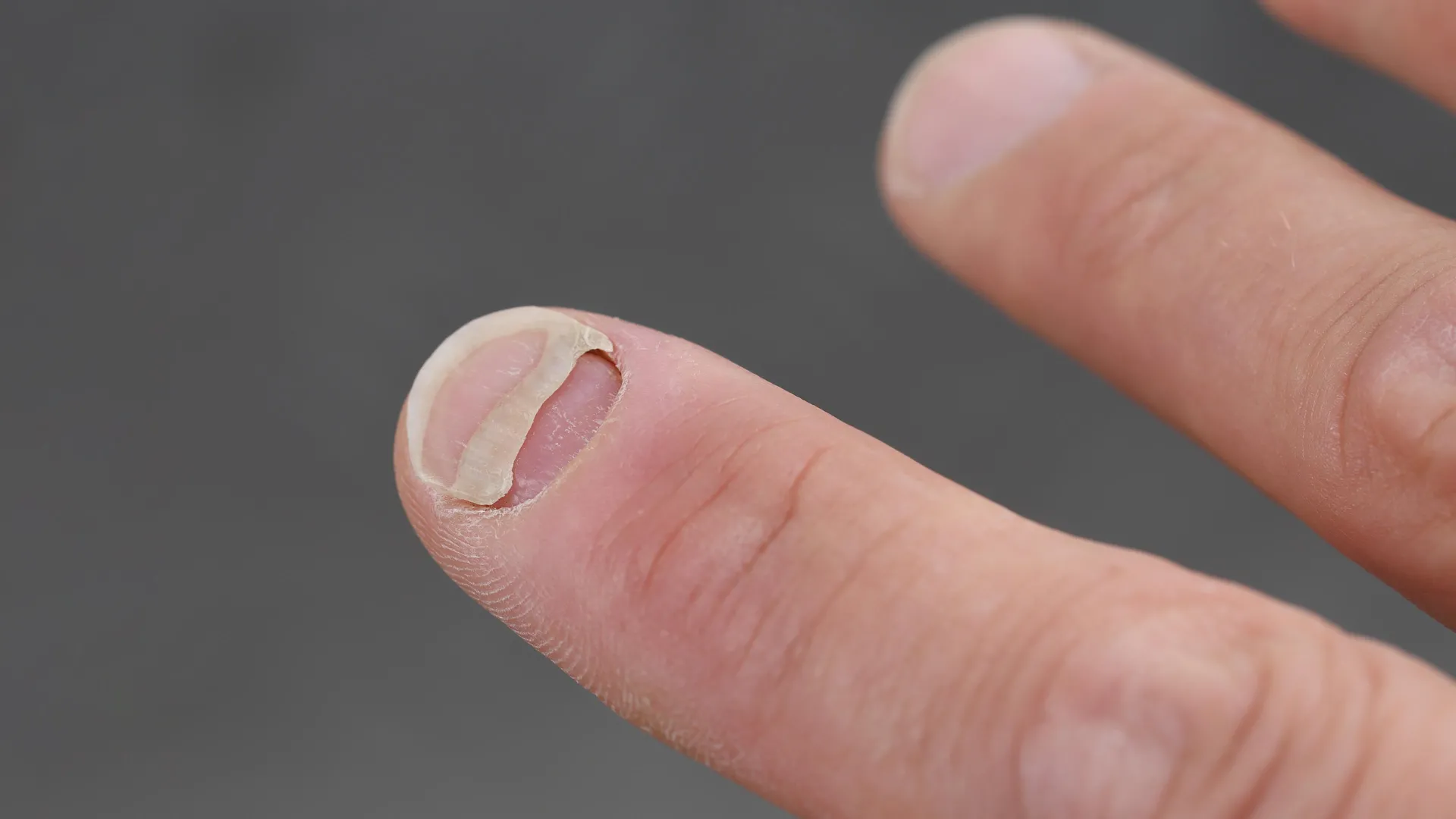
GLP-1 receptor agonist drugs including Ozempic and Wegovy show unexpected links to nail problems, hair loss, and scalp inflammation at rates higher than in non-users, according to research reported by ScienceDaily. The drugs, widely used for weight loss, appear connected to these dermatological issues at frequencies several times greater than baseline rates.
Researchers examining the pattern determined that weight loss itself could not account for the full extent of the observed differences. This finding points to direct drug effects rather than simply the consequences of rapid weight reduction. The discovery highlights symptoms that medical professionals may have overlooked in discussions of GLP-1 drug side effects.
Nail detachment represents the most striking issue identified. Users reported this condition at notably elevated rates compared to control groups. Hair loss and scalp inflammation accompanied these nail-related problems, suggesting a broader pattern of effects on tissues throughout the body. The multiple-fold increase in occurrence distinguishes these reactions from typical drug side effects.
GLP-1 drugs function by mimicking glucagon-like peptide-1, a hormone regulating blood sugar and appetite. Ozempic, approved for type 2 diabetes, and Wegovy, approved specifically for weight loss, have gained enormous popularity in recent years. Millions of users have turned to these medications despite their cost and potential side effects. The widespread adoption makes understanding their full safety profile increasingly important.
The research adds to the growing body of literature documenting GLP-1 adverse effects beyond the commonly discussed gastrointestinal complaints. Previous reports have noted muscle loss, vision changes, and other unexpected reactions. This particular study isolates dermatological complications, suggesting they warrant specific clinical attention.
Medical professionals prescribing these drugs should now consider counseling patients about potential nail, hair, and scalp problems. Patients experiencing these symptoms may benefit from knowing their occurrence correlates with medication