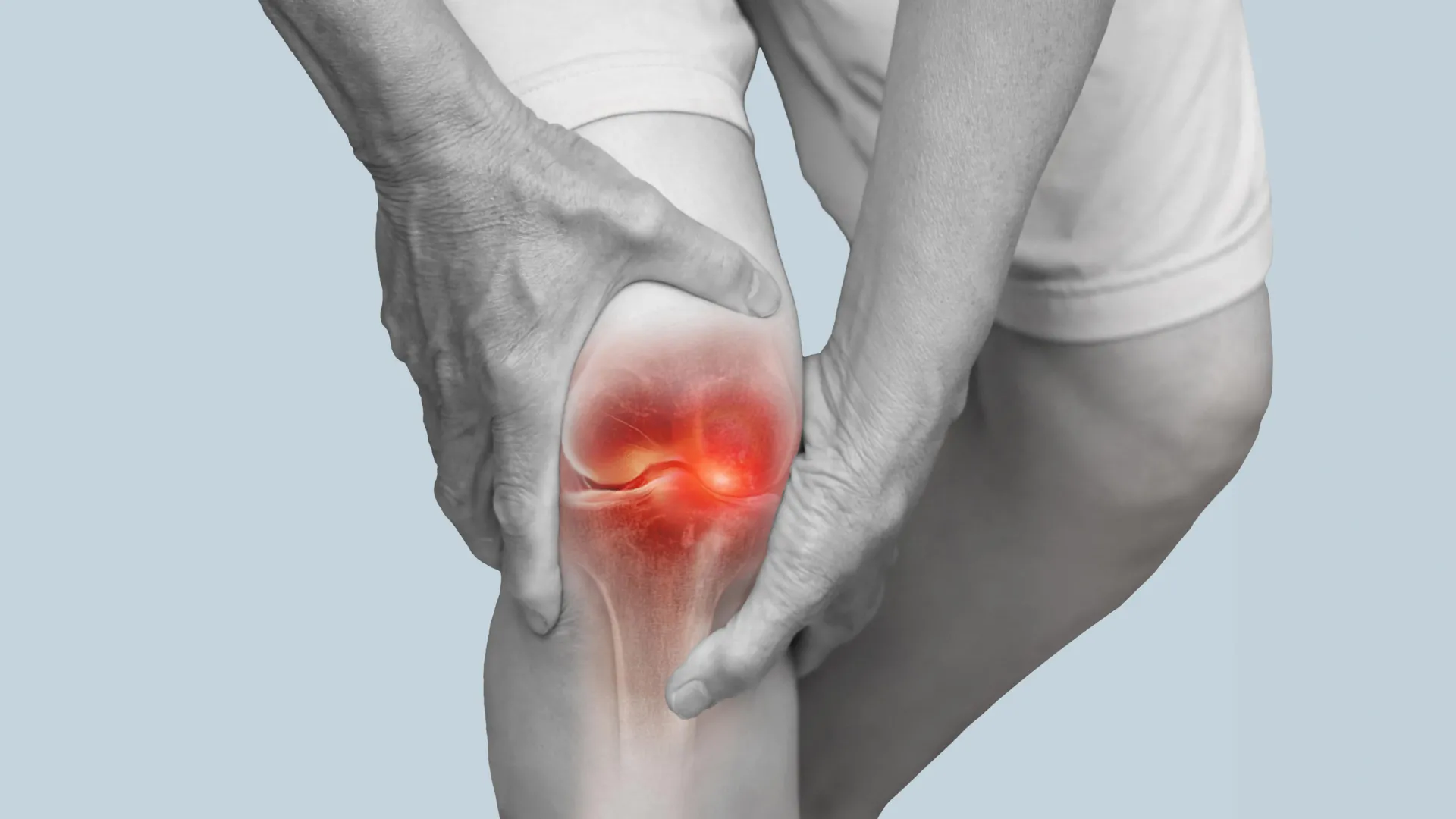
Adjusting foot angle while walking reduces osteoarthritis pain in the knee as effectively as medication, according to a year-long clinical trial. Researchers found that participants who adopted a personalized walking technique experienced pain relief comparable to pharmaceutical treatment, without medication or surgical intervention.
MRI scans showed additional benefits. Participants who maintained the adjusted walking technique experienced slower deterioration in markers of knee cartilage health, suggesting the method may slow joint damage progression.
The study focused on osteoarthritis, the most common form of arthritis affecting the knee joint. The personalized walking adjustment represents a non-invasive approach to managing chronic pain that affects millions of people.
The trial tracked participants over twelve months, providing long-term evidence for the technique's effectiveness. The comparable pain relief to medication suggests the biomechanical adjustment activates natural pain-reduction mechanisms in the body.
This finding offers a simple alternative for patients seeking to avoid pharmaceutical side effects or surgical risks associated with knee arthritis treatment. The technique requires no special equipment or ongoing costs beyond initial instruction and practice.
The cartilage health improvements observed on MRI scans indicate the walking adjustment may address underlying joint damage rather than simply masking symptoms. This distinction matters for long-term joint preservation and function.
Further research will likely explore which patients benefit most from this approach and how to optimize foot angle adjustments for individual anatomy and gait patterns. The study adds to growing evidence that biomechanical interventions can effectively treat chronic joint conditions.