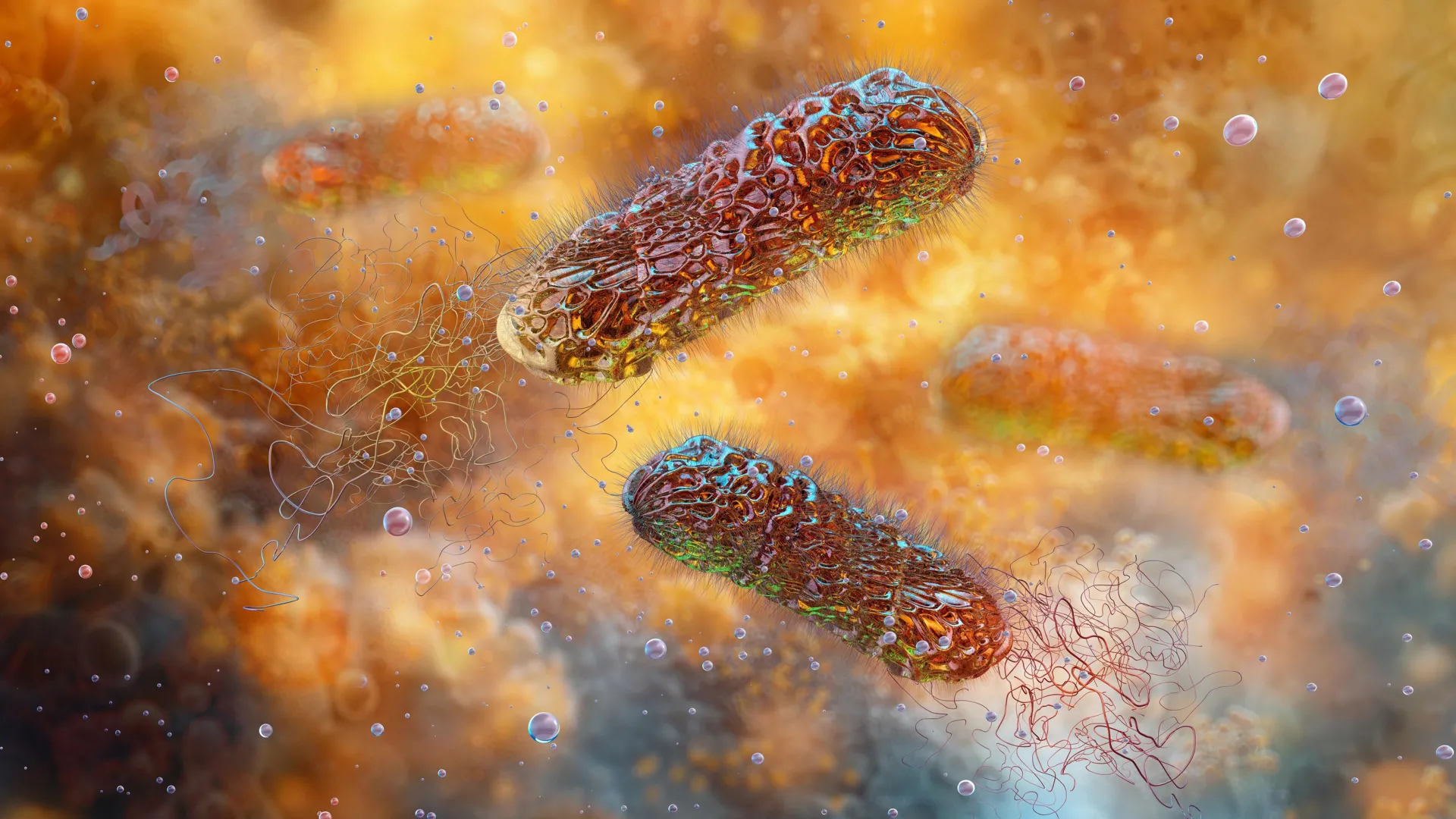
Researchers have resurrected antimicrobial peptides from extinct mammals that lived 160 million years ago and discovered that some ancient versions outperform modern human versions in fighting drug-resistant bacteria. The finding offers a novel pathway for developing new treatments as antibiotic resistance accelerates worldwide.
The team reconstructed these proteins by analyzing DNA sequences preserved in living mammals and using computational methods to reverse-engineer what their distant ancestors' versions likely contained. They then synthesized the ancient peptides in the laboratory and tested them against contemporary superbugs, including methicillin-resistant Staphylococcus aureus (MRSA) and other multidrug-resistant pathogens.
Several ancient peptides demonstrated greater antibacterial activity than their modern human equivalents. Some showed enhanced effectiveness at killing resistant bacteria while causing less harm to human cells, a critical balance in developing viable medicines. The researchers attribute this advantage to structural differences accumulated through millions of years of evolution, suggesting that older versions preserved properties that natural selection later modified or diminished as human immune systems evolved.
This work belongs to a growing field called paleoproteomics, which reconstructs extinct proteins from evolutionary data. The approach has yielded insights into ancient biology before, but applying it to antimicrobial compound discovery represents a promising new direction. Unlike traditional antibiotic development, which typically screens compounds from microorganisms or chemical libraries, this strategy mines the evolutionary record itself as a source of drug candidates.
The research addresses an urgent public health crisis. The World Health Organization estimates that antibiotic resistance causes over 1 million deaths annually and could account for 10 million deaths per year by 2050 if left unchecked. Traditional antibiotics kill bacteria through various mechanisms, but resistant strains develop countermeasures through genetic mutations and horizontal gene transfer. Antimicrobial peptides work differently, often disrupting bacterial membranes through physical means rather than targeting specific enzymes, making resistance harder to evolve. This mechanistic difference makes them attractive targets for drug developers.
However, significant hurdles remain before ancient peptides reach clinical use. Peptide drugs face substantial challenges in the human body, including rapid degradation by enzymes, difficulty crossing biological barriers, and expensive production. Researchers must optimize these molecules for stability and deliverability while maintaining their antibacterial potency. The team plans to conduct further testing to understand precisely why certain ancient versions outperform modern ones and whether those advantages persist across diverse bacterial species.
The work also raises intriguing questions about evolution. Why did humans lose the superior antimicrobial properties of their ancestors' peptides? The answer may involve trade-offs. Perhaps maintaining stronger antimicrobial peptides in modern humans created problems like excessive inflammation or autoimmune complications. Understanding these evolutionary compromises could reveal how to design synthetic peptides that retain ancestral advantages without triggering harmful side effects.
This research demonstrates how looking backward through evolutionary time can illuminate solutions to contemporary problems. As antibiotic resistance outpaces the development of new conventional antibiotics, approaches that draw from nature's archived designs offer genuine promise for the next generation of infection treatments.