# Obesity Drugs Activate Brown Fat, Offering New Explanation for Weight Loss Power
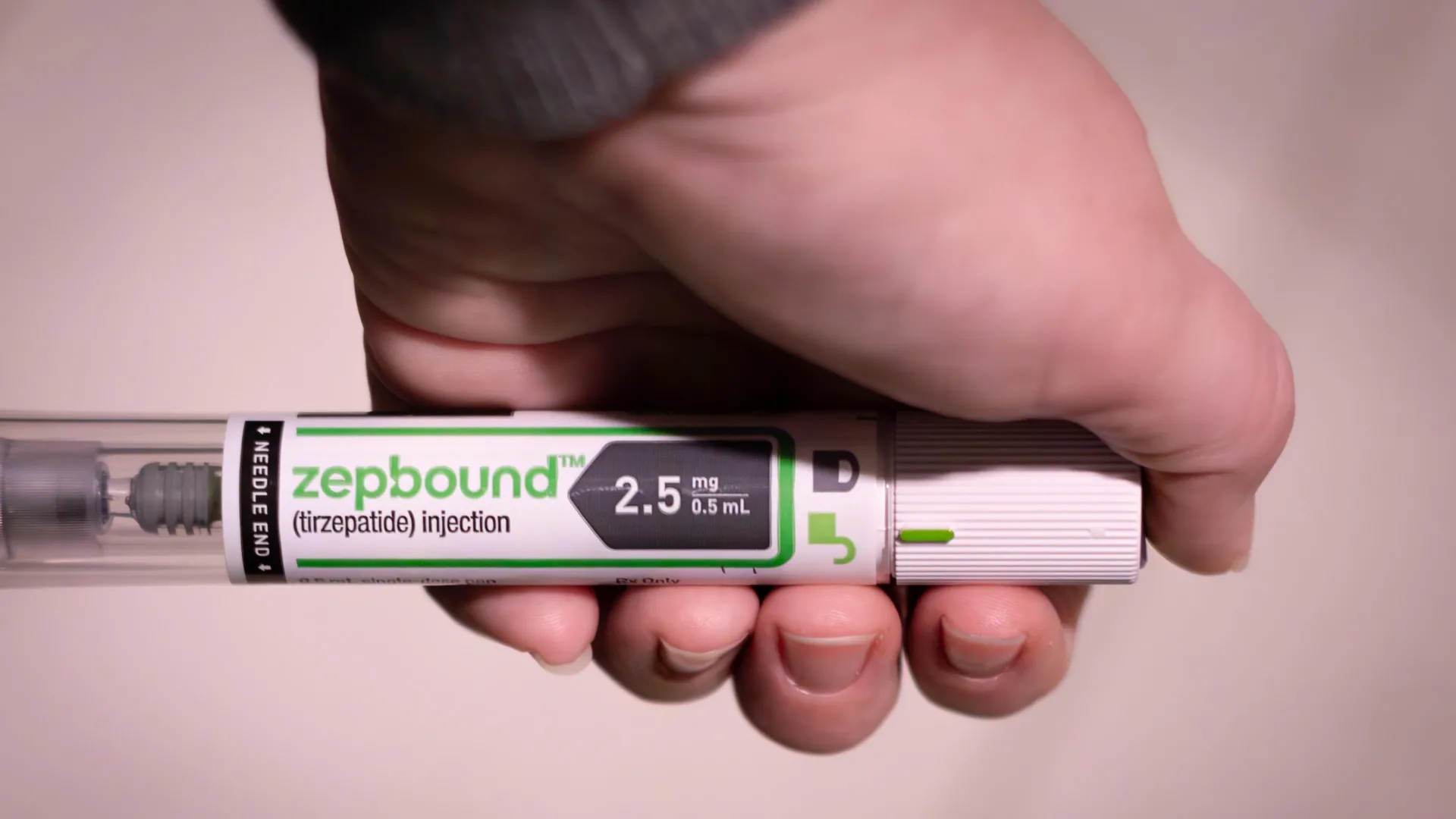
Tirzepatide, the active ingredient in the diabetes drug Mounjaro and the weight-loss medication Zepbound, activates calorie-burning brown fat in obese mice, according to new research. The discovery reveals a metabolic mechanism that works independently of the drug's well-known appetite-suppressing effects, potentially explaining why these medications produce such dramatic weight loss results.
Brown adipose tissue, or brown fat, burns calories to generate heat through a process called thermogenesis. Unlike white fat, which stores energy, brown fat consumes it. Most adults retain functional brown fat, though obesity typically reduces brown fat activation. The new findings suggest tirzepatide directly stimulates this metabolic process.
Researchers observed that tirzepatide treatment increased brown fat activity in obese laboratory mice, boosting overall energy expenditure. The drug activated brown fat through a mechanism separate from appetite reduction, the primary mechanism researchers previously understood to drive tirzepatide's weight-loss effects. This dual action could explain why patients taking Zepbound or Mounjaro lose weight more effectively than previous medications targeting appetite alone.
Tirzepatide works as a GLP-1 receptor agonist and GIP receptor agonist. The drug mimics hormones that regulate blood sugar and appetite. The dual-receptor activation distinguishes tirzepatide from earlier GLP-1 only drugs like Ozempic and Wegovy, which target appetite pathways. This new brown fat discovery adds another layer to understanding tirzepatide's metabolic effects.
The research carries important implications for obesity treatment. Weight loss from appetite suppression alone often plateaus, as patients adapt to reduced eating. Activating brown fat provides a complementary mechanism that continuously burns additional calories, potentially driving sustained weight loss. If human studies confirm this mechanism, it could lead to more effective treatments for obesity and type 2 diabetes.
However, the research has limitations. The study relied on mouse models, which do not always translate directly to human physiology. Obesity in mice differs mechanistically from human obesity in several ways. Researchers must verify that tirzepatide activates brown fat in humans at clinically relevant doses before drawing firm conclusions about its role in patient outcomes.
Previous work identified brown fat activation as a promising therapeutic target. Some research suggested certain compounds could stimulate brown fat independently. Tirzepatide's apparent dual action—reducing appetite and activating brown fat—combines these approaches, potentially explaining its clinical superiority over earlier single-mechanism drugs.
The findings open new research directions. Scientists may investigate whether other GLP-1 and GIP receptor drugs produce similar brown fat effects. Developers could design next-generation obesity treatments that maximize brown fat activation while maintaining appetite suppression, creating more potent metabolic interventions.
Clinical trials in humans would test whether brown fat activation actually contributes to weight loss in real patients. Such studies would measure brown fat activity using positron emission tomography imaging while monitoring patient weight and metabolic rates. Researchers would determine whether brown fat activation correlates with superior weight loss outcomes compared to appetite suppression alone.
These discoveries reflect growing recognition that obesity involves multiple metabolic pathways. Single-target treatments often prove insufficient for sustained weight management. Multi-mechanism drugs like tirzepatide offer better efficacy precisely because they address obesity through several physiological systems simultaneously.