# Scandinavian Museums Confront the Myth of the Viking Warrior
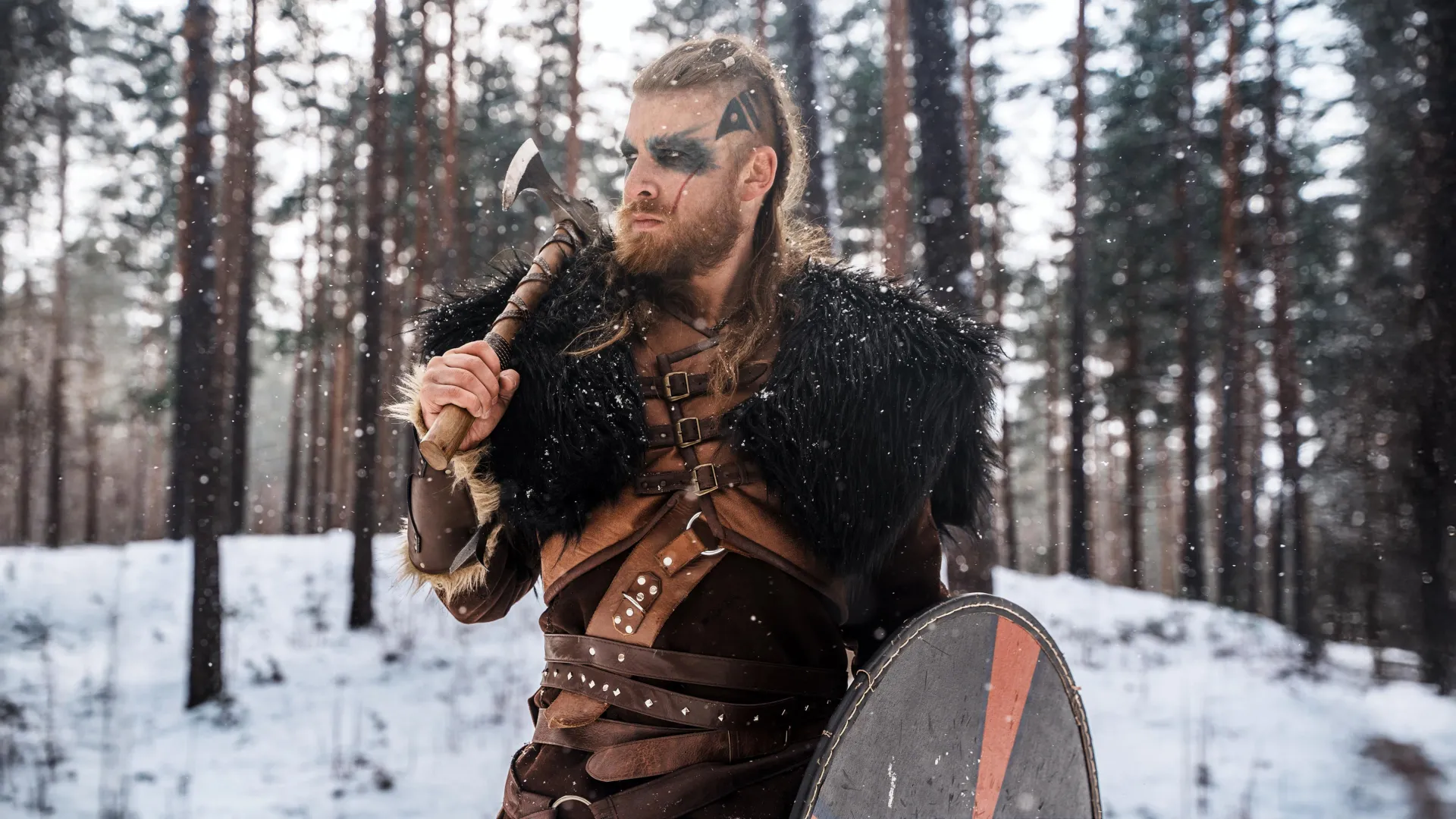
Scandinavian museums face a persistent tension. They want to present Viking societies as they actually were, yet the cultural mythology surrounding these people remains extraordinarily powerful. Curators across the region now highlight women, farmers, traders, and the complex social structures of medieval Norse civilization. But the popular image of helmeted warriors wielding swords and axes continues to dominate public imagination, forcing museums to navigate carefully between scholarly truth and the narratives audiences expect.
The historical record reveals a society far removed from popular entertainment. Viking communities depended on agriculture, animal husbandry, and long-distance trade networks that stretched from the Atlantic to Central Asia. Women held legal rights, owned property, and managed estates while men sailed or fought. Craftspeople, merchants, and laborers outnumbered warriors. Yet blockbuster television shows, video games, and Hollywood films have cemented the warrior archetype in the contemporary mind. Museums cannot simply ignore this.
The challenge runs deeper than entertainment preferences. National identity in Scandinavia has long entangled itself with Viking imagery. Norway, Sweden, and Denmark each draw on Norse heritage to construct modern narratives about their nations. This creates institutional pressure. Museums serve their communities and funding bodies, not just academic standards. When an exhibition emphasizes farmers' daily life and women's economic roles rather than raids and battles, it risks alienating visitors seeking confirmation of familiar stories.
Scholarly research has transformed Viking studies over recent decades. Genetic analysis, archaeological excavations, and textual reexamination have produced a vastly richer picture than older narratives allowed. Female burials alongside weapons and valuables suggest women participated in governance and possibly combat roles. Trade goods from thousands of miles away reveal economic sophistication. Settlements show organized agricultural systems and craft production. Yet none of this reduces the appeal of the warrior myth.
Some museums attempt synthesis. They present warriors within their actual context as one element of a multifaceted society. Others create separate sections: traditional exhibits showcasing combat equipment and conquest narratives alongside displays of domestic life, textile production, and commercial exchange. This approach can satisfy both scholarly commitments and audience expectations, though critics argue it reinforces the false hierarchy that placed warriors at society's center.
The stakes matter beyond museum walls. How societies understand their own history shapes contemporary politics, immigration debates, and cultural identity. In recent years, Viking imagery has been appropriated by far-right movements seeking historical validation for nationalist ideology. This makes accurate representation urgent. Museums increasingly understand their role as both preservers of heritage and shapers of public knowledge.
The solution remains incomplete. Most Scandinavian museums now emphasize the complexity of Viking societies more than they did a generation ago. Curators have expanded exhibition space for women, merchants, and farmers. Educational materials increasingly correct oversimplifications. Yet visitor surveys consistently show that action and combat narratives draw larger crowds than displays of textile tools or trade ledgers. The warrior myth persists because it satisfies something beyond curiosity about the past. It offers drama, agency, and tangible conflict that agricultural records cannot match.
Scandinavian museums continue refining their approach. They recognize that scholarship and mythology need not exist in complete opposition. Honest history remains possible within compelling narratives, if curators resist pressure to exaggerate violence while acknowledging why audiences find those stories magnetic.