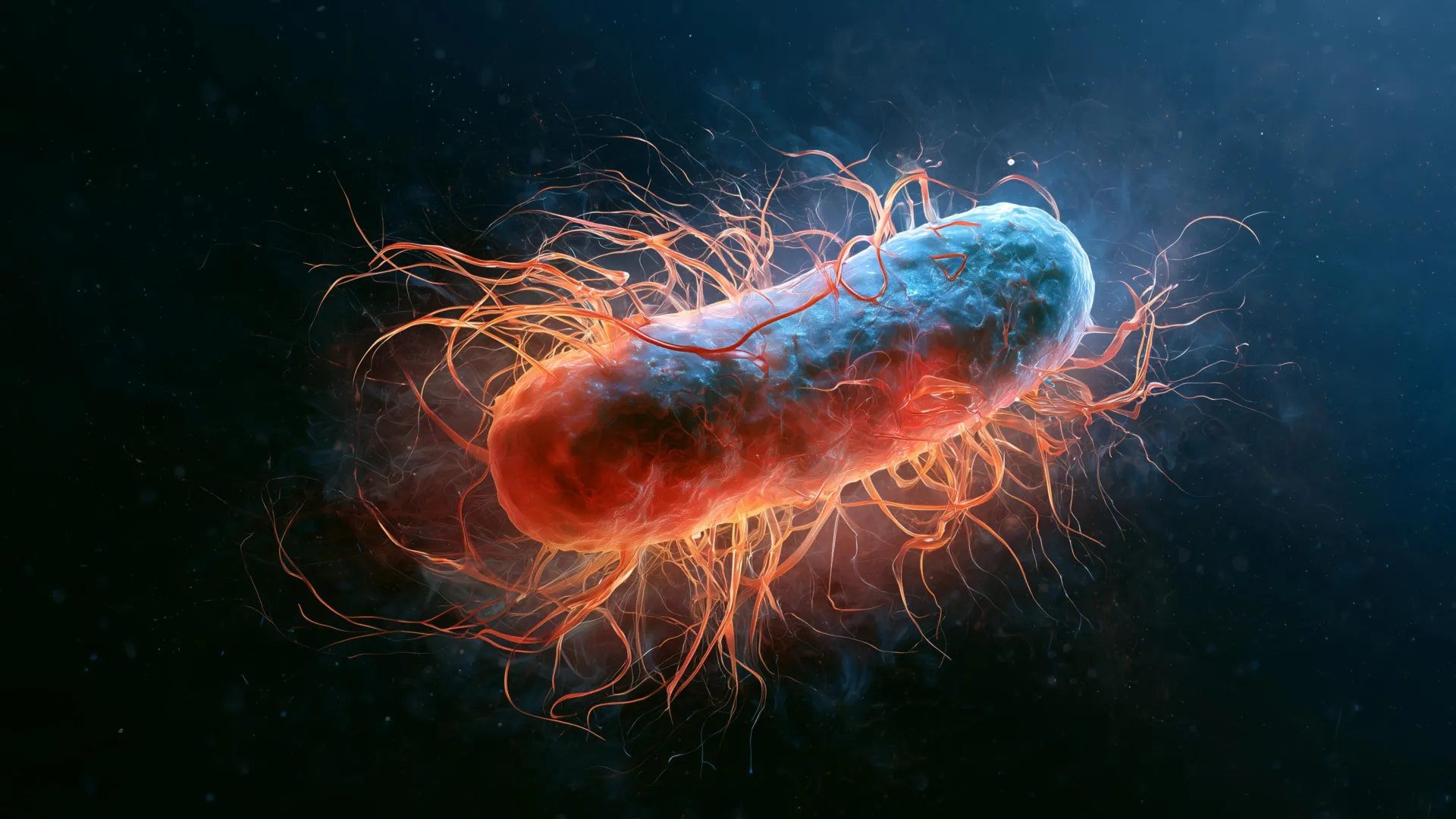
# Magnetic Bacteria Extend Worm Lifespan by 43 Percent Through Iron Regulation
Researchers have identified a surprising longevity mechanism by introducing magnetic bacteria into nematode worms, achieving a 43 percent lifespan extension that opens new doors for understanding aging and age-related disease prevention.
The study involved Caenorhabditis elegans, the microscopic roundworm that serves as a standard model organism in aging research. Scientists colonized these worms with magnetotactic bacteria, microorganisms capable of producing magnetic minerals. The results demonstrated remarkable improvements not only in lifespan but also in neurological and intestinal function throughout the animals' extended lives.
The research team traced the longevity benefits to suppression of ferroptosis, a form of regulated cell death distinct from apoptosis. Ferroptosis occurs when iron accumulates inside cells, triggering oxidative stress that damages cellular machinery and ultimately kills the cell. Unlike traditional programmed cell death, ferroptosis involves iron-dependent mechanisms that generate reactive oxygen species, destructive molecules that damage proteins, lipids, and DNA.
The magnetic bacteria appear to regulate iron homeostasis within worm tissues. By controlling iron distribution and availability, these organisms limit the conditions that trigger ferroptosis. This iron-management function extends across multiple organ systems. Worms receiving the bacteria showed preserved neurological function and maintained intestinal integrity throughout their extended lifespans, suggesting broad tissue protection rather than effects limited to a single system.
Ferroptosis has emerged as a target in aging biology over the past decade. Prior research linked ferroptosis to neurodegeneration, heart disease, and kidney disease in mammals. Many age-related conditions involve iron accumulation in specific tissues. The brain, for instance, shows elevated iron levels in Parkinson's disease and Alzheimer's disease patients. This connection makes ferroptosis suppression a potential intervention point for extending both lifespan and healthspan, the period of healthy aging without disease.
The use of magnetotactic bacteria introduces an elegant experimental approach. These organisms naturally accumulate iron through their magnetic organelles, potentially sequestering excess iron from host tissues. The mechanism differs from simple antioxidant supplementation, which has shown limited longevity effects in most model organisms. Instead, the bacteria appear to actively manage iron metabolism at a cellular level.
C. elegans represents an ideal initial testing ground for longevity interventions. The worms complete their lifecycle in approximately three weeks, allowing researchers to measure lifespan effects rapidly. Their transparent bodies permit direct observation of tissue changes. The nematode genome shares approximately 40 percent similarity with the human genome, with many aging-related genes conserved between species.
Translating these findings to humans requires substantial additional research. Ferroptosis suppression strategies in mammals have shown promise in disease models but have not yet been tested as aging interventions in longer-lived animals. Safety considerations would include ensuring that iron sequestration does not impair essential iron-dependent processes like oxygen transport and energy metabolism.
The work suggests that microbial colonization strategies might influence host aging through mechanisms beyond nutrient provision or pathogen suppression. Specific bacterial strains could potentially modulate host iron metabolism, oxidative stress, and cellular aging processes. Future research might identify whether particular probiotic or engineered bacterial strains produce similar effects in higher organisms, potentially opening new therapeutic avenues for aging-related diseases.