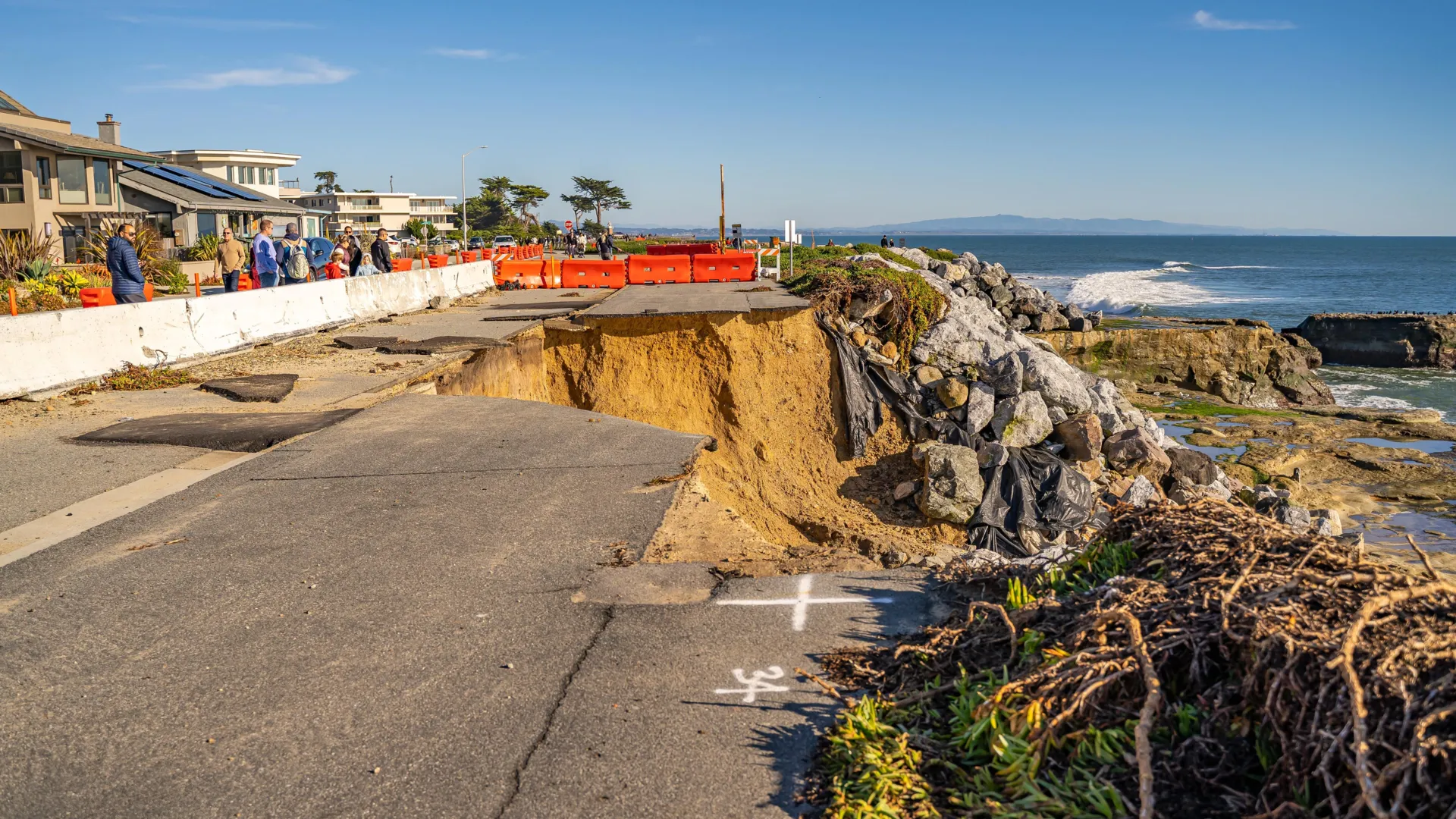
Researchers have discovered that two of North America's most dangerous fault systems may rupture in rapid succession, potentially unleashing catastrophic consequences across the Pacific Northwest and California simultaneously.
The Cascadia subduction zone and the northern San Andreas fault have struck within minutes to hours of each other in the past, according to a study analyzing 3,100 years of sediment layers from the ocean floor. This finding reshapes understanding of West Coast earthquake hazards and suggests that emergency planners may have underestimated the risks facing major metropolitan areas.
Scientists identified telltale sediment signatures indicating synchronized ruptures between the two fault systems. The evidence includes unusual layering patterns in ocean sediments that correspond to periods when both faults ruptured nearly simultaneously. One prominent example occurred around 1700, coinciding with the massive Cascadia subduction zone earthquake that devastated the Pacific Northwest and triggered a tsunami felt across the Pacific Ocean in Japan.
The Cascadia subduction zone sits where the Juan de Fuca oceanic plate slides beneath the North American continent, stretching roughly 700 miles from northern California through Oregon and Washington to British Columbia. The 1700 event likely registered around magnitude 9, making it one of the largest earthquakes possible on Earth. The northern San Andreas fault, running through California, represents a different type of fault system where two crustal plates slide horizontally past each other.
These two fault systems operate under different mechanics and occupy different regions, making back-to-back ruptures seem unlikely at first glance. Yet the sediment record tells a different story. Researchers examining cores from coastal areas found evidence that vertical shaking from Cascadia earthquakes may trigger immediate failures along the San Andreas, or vice versa. The physical stress from one rupture can propagate through the Earth's crust and destabilize adjacent fault systems, particularly when those systems sit near the brink of failure.
The implications extend far beyond academic interest. A Cascadia rupture alone would devastate Seattle, Portland, and surrounding areas with violent shaking and tsunamis. Simultaneously, a northern San Andreas event would shake San Francisco, Oakland, and surrounding regions. If both struck within hours, emergency services across the entire West Coast would face overwhelming demands for rescue, medical care, and disaster response. Resources stretched thin in one region could not be redirected to another. Hospitals would fill beyond capacity. Transportation networks would fragment. Communication systems would fail.
Emergency managers have begun reassessing response plans based on this research. The Federal Emergency Management Agency and state authorities in Washington, Oregon, and California now factor synchronized ruptures into their contingency planning. Building codes have been strengthened, but millions of older structures remain vulnerable.
The sediment evidence raises questions about whether other major earthquake systems worldwide might rupture in unexpectedly coordinated patterns. Similar investigations are underway in other tectonically active regions. Understanding these connections could reshape global earthquake hazard assessments.
The timing of the next major Cascadia rupture remains unknown. Geological records suggest intervals of roughly 200 to 800 years between major events. The last confirmed rupture occurred in 1700, leaving the region potentially overdue for another massive earthquake. Whether it comes alone or accompanied by San Andreas activity, the Pacific Northwest and California remain braced for seismic upheaval.