# Hidden Mechanism Behind Classic Leukemia Drug Finally Revealed
Researchers have uncovered a previously unknown cellular mechanism that explains how a 70-year-old leukemia treatment actually works. The discovery, which challenges decades of assumptions about the drug's action, could reshape how doctors predict which patients will respond to the therapy.
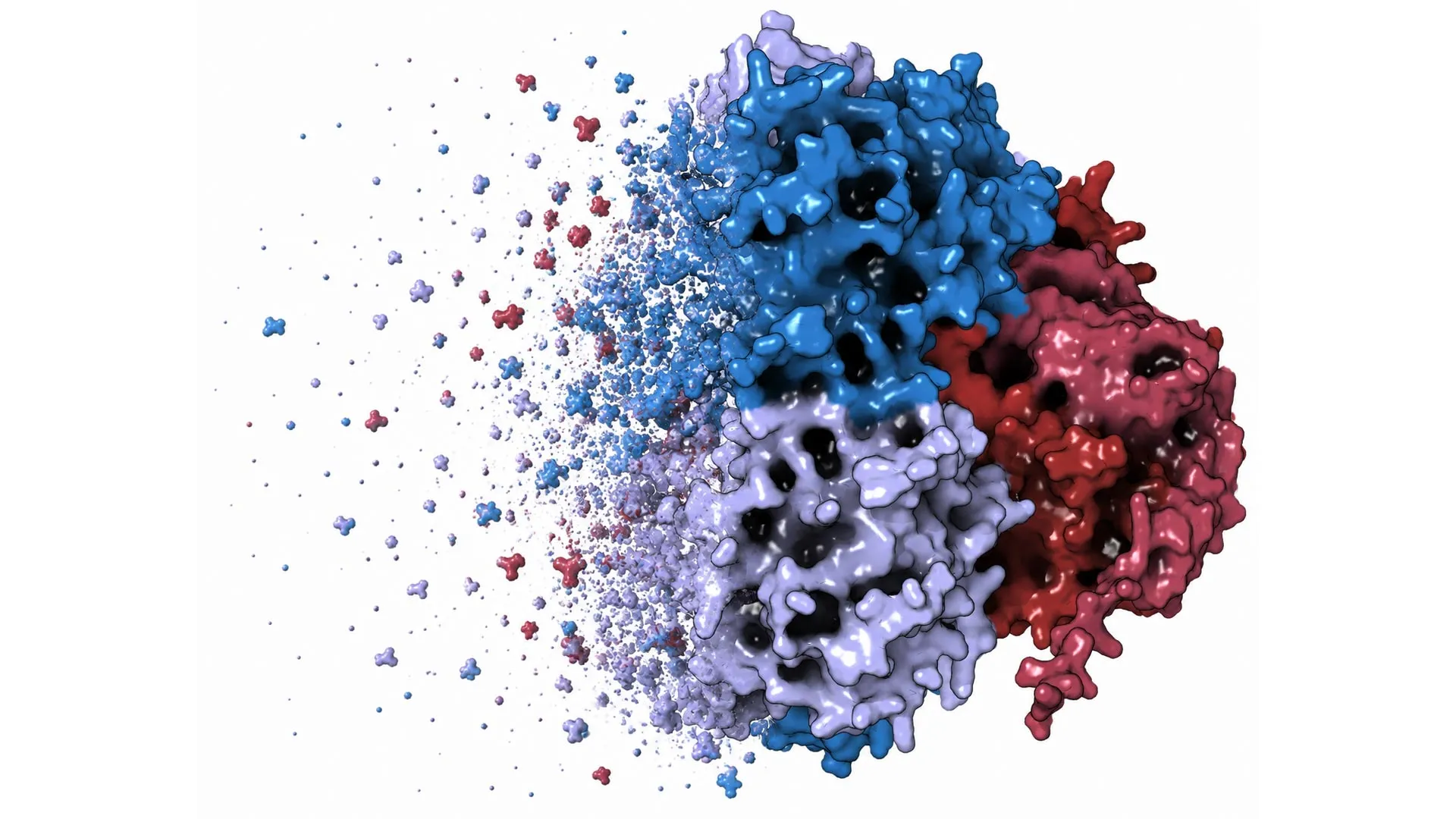
The drug in question is likely 6-mercaptopurine (6-MP), one of the oldest and most widely used leukemia medications. Scientists have long understood its basic mechanism, but a team of researchers recently discovered that a protein called NUDT5 plays a critical hidden role in the drug's effectiveness.
The key finding emerged from an unexpected experimental result. When researchers completely removed the NUDT5 protein from cells, those cells became resistant to the leukemia drug. However, simply blocking or inhibiting NUDT5 had little to no protective effect. This paradox revealed that NUDT5 does something during its removal that differs fundamentally from what happens when the protein is merely inactive.
The distinction matters enormously. Removing a protein from cells involves permanent genetic deletion, which can trigger compensatory changes throughout the cell that blocking the protein would never cause. This finding suggests that NUDT5 normally participates in a cellular process that the drug somehow exploits to kill cancer cells, but this role remained invisible to researchers using conventional drug-blocking techniques.
Understanding these hidden mechanisms could explain why patients respond so differently to leukemia treatments. Some patients achieve remission while others show little response to identical doses of the same drug. Genetic variations affecting NUDT5 expression or function might account for some of this variability. Future genetic screening could potentially identify which patients carry variants that affect their response to 6-MP and related drugs.
The research also highlights a broader lesson in drug development. Medications that have been in use for seven decades are often assumed to work through fully understood mechanisms. This discovery demonstrates that even old, well-studied drugs can retain biological secrets. The cellular pathways involved in drug action remain more complex than textbooks suggest.
Several research groups have recently focused on nucleotide metabolism proteins like NUDT5 in cancer cells, recognizing that these molecules control cellular processes that cancer treatments can exploit. The protein belongs to the nudix hydrolase family, which regulates the breakdown of damaged nucleotides. When leukemia drugs interfere with normal nucleotide synthesis, NUDT5 may become overwhelmed or trigger additional stress responses that ultimately kill the cancer cell.
This discovery opens new research directions for the field. Scientists can now investigate whether other old leukemia drugs have similarly hidden mechanisms waiting to be found. Researchers might also develop new inhibitors that specifically target the newly identified NUDT5 pathway, potentially creating more effective treatments for patients whose leukemia shows resistance to current therapies.
The work demonstrates that systematic investigation of established drugs can yield discoveries rivaling those from entirely new compounds. With genomic tools and modern cell biology techniques, researchers can now revisit decades-old medications and uncover the details that previous generations of scientists missed.