# Blocking Blood Vessels Offers Path to Delay Knee Replacement Surgery
Genicular artery embolization, a minimally invasive procedure that blocks tiny blood vessels fueling inflammation in the knee, emerges as a potential middle option for osteoarthritis patients caught between pain management and surgical replacement.
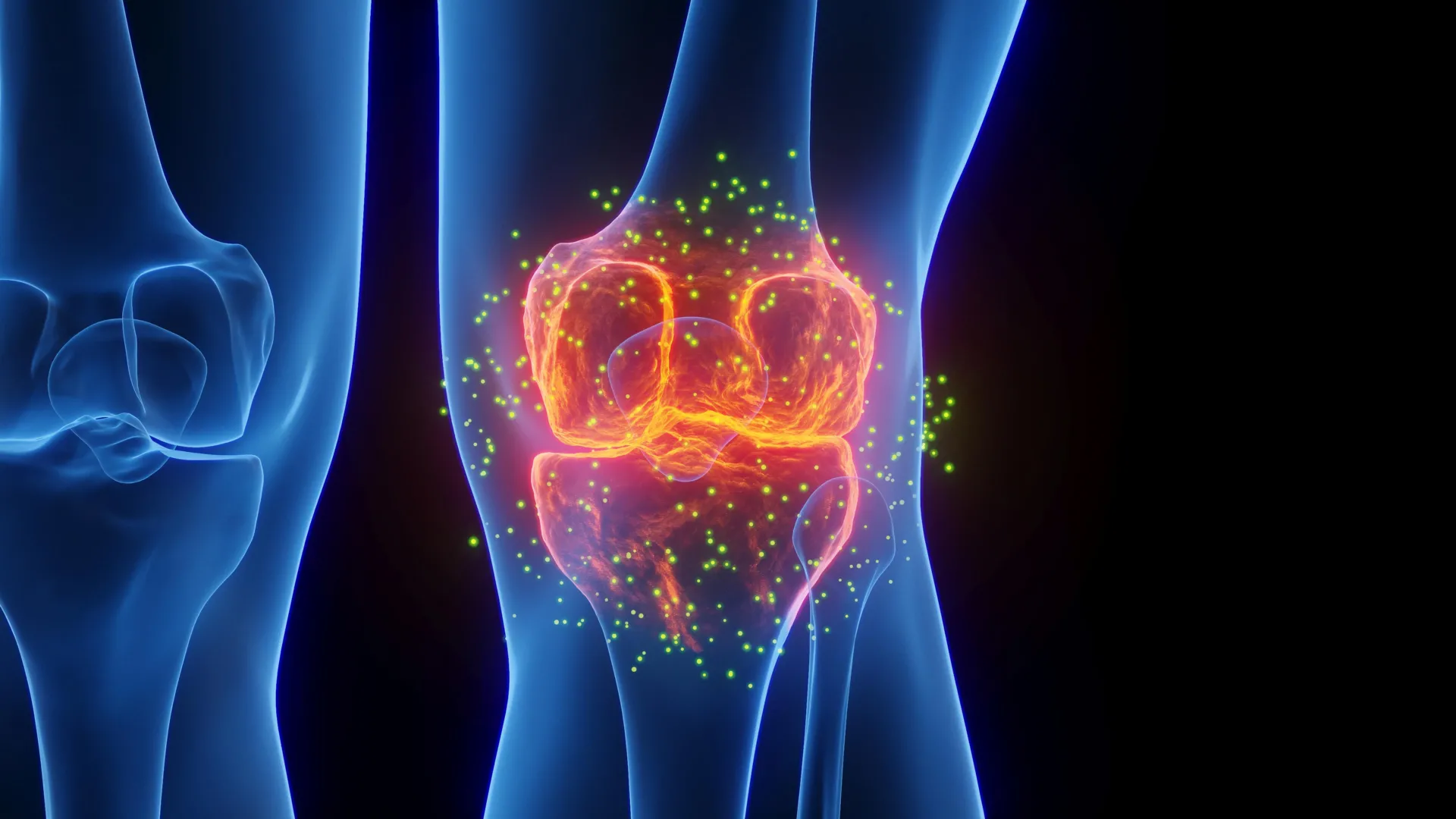
The procedure works by identifying and occluding the small arteries that supply inflamed knee tissue. By cutting off blood flow to these vessels, GAE reduces the inflammatory cascade that generates pain. Patients who respond to the treatment report dramatic relief. Some experience little to no pain after the procedure, according to research published in recent medical literature examining this emerging intervention.
Osteoarthritis affects roughly 32.5 million American adults, making it the most prevalent chronic joint condition in the United States. Current treatment options exist on two ends of a spectrum. Conservative approaches include physical therapy, anti-inflammatory medications, corticosteroid injections, and weight management. These help many patients but often provide incomplete relief. Knee replacement surgery, by contrast, offers durable pain reduction but carries surgical risks, requires lengthy recovery, and necessitates eventual revision procedures as implants wear out.
GAE fills a therapeutic gap for patients whose symptoms progress beyond what conservative management achieves but who remain hesitant about or ineligible for surgery. The procedure takes just 30 to 60 minutes and uses image guidance to precisely target the genicular arteries. Patients typically go home the same day with minimal recovery time.
The durability of benefits extends two to four years in patients who respond favorably to the intervention, according to clinical observations. This timeline matters. It provides years of pain relief without committing patients to permanent surgical alteration, yet offers substantially longer benefits than repeat corticosteroid injections, which typically last three to six months.
Candidate selection determines outcomes. Not all osteoarthritis patients benefit equally from GAE. Responders tend to have moderate to severe pain but functional knees with substantial cartilage remaining. Patients with end-stage arthritis, where bone-on-bone contact occurs, show less benefit.
The mechanism behind GAE's efficacy relates to inflammation physiology. Osteoarthritic knees develop abnormal new blood vessel growth in response to tissue damage and chronic inflammation. These neovasculature structures release pain-producing molecules and perpetuate the inflammatory environment. By eliminating these vessels, GAE interrupts the biological feedback loop maintaining pain.
Radiologists and interventional radiologists lead GAE procedures using angiographic equipment and embolic agents like microspheres or gel foam to block target vessels. The technique builds on decades of vascular intervention expertise already well-established in cardiology, oncology, and other specialties.
Research continues expanding understanding of patient selection criteria and long-term outcomes. Multiple medical centers now offer GAE, and clinical registries track efficacy across diverse populations. Insurance coverage remains inconsistent, though some plans reimburse the procedure as an alternative to surgery.
For the millions of Americans with knee osteoarthritis, GAE represents neither cure nor permanent solution. Instead, it offers a time-limited therapeutic window to reduce pain without surgery, potentially allowing continued function and delayed replacement decisions for years. This positions GAE as a practical strategy for orthopedic treatment sequencing.