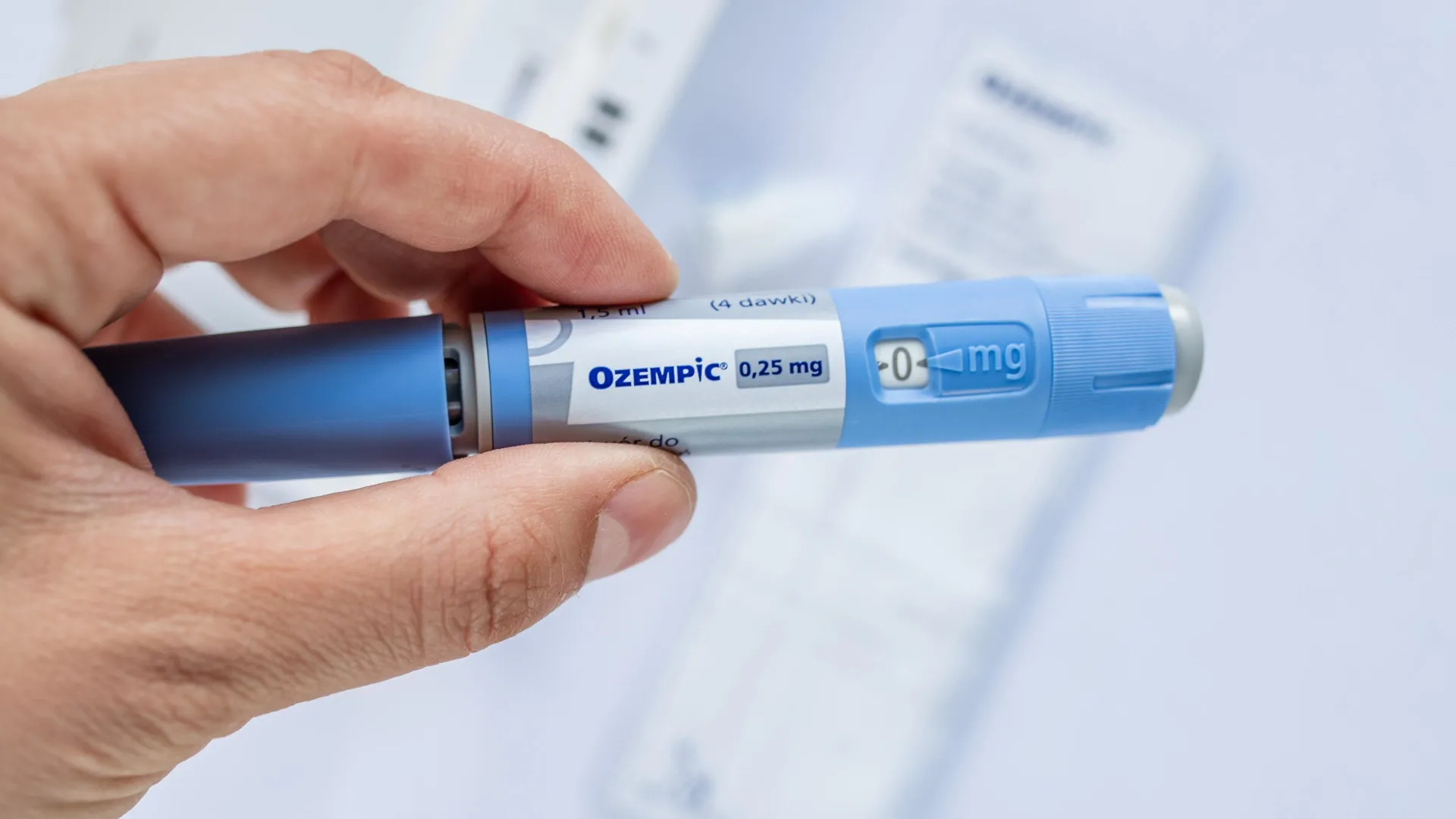
# Study Shows Heart Risk Spikes After Stopping GLP-1 Drugs Like Ozempic
Patients who stop taking GLP-1 receptor agonist medications like semaglutide (Ozempic, Wegovy) and tirzepatide (Mounjaro, Zepbound) face a sharp increase in cardiovascular danger within two years, according to new research.
The study found that patients who discontinued these drugs experienced a 22 percent higher risk of heart attack, stroke, and death compared with those who continued treatment. This finding raises serious questions about the durability of the medications' cardiac benefits and suggests that stopping GLP-1 drugs may trigger a rebound effect that erases their protective effects remarkably fast.
GLP-1 receptor agonists have become blockbuster treatments since their cardiovascular benefits emerged in clinical trials. Ozempic and Wegovy treat diabetes and obesity respectively, while Mounjaro and Zepbound address similar conditions with slightly different mechanisms. These drugs work by mimicking glucagon-like peptide-1, a hormone that regulates blood sugar and appetite. Beyond weight loss, they have demonstrated substantial heart and stroke benefits in major trials.
However, this new research suggests those benefits operate only while patients remain on treatment. Once discontinued, the protective effects vanish with troubling speed. Two years after stopping, the elevated cardiovascular risk profile fully emerges.
The implications are profound. These drugs work differently than traditional cardiovascular medications that provide lasting benefit even after discontinuation. Statins, for example, produce durable changes in cholesterol metabolism that persist. GLP-1 drugs appear to require continuous use to maintain their heart-protective effects.
This creates a significant clinical dilemma. Many patients using these medications do so for weight management rather than diabetes treatment. The cost of Ozempic and Wegovy remains high for uninsured and underinsured patients, often exceeding $1,000 monthly without insurance coverage. If patients stop due to financial constraints or side effects, they enter a higher-risk period for cardiac events.
The research also complicates discussions around treatment duration and goals. Doctors now face decisions about whether to recommend indefinite use of these medications, a departure from traditional approaches where treatments aim for temporary use with durable outcomes. Long-term safety data for decades-long use remains limited, as these drugs only gained widespread use in recent years.
The study's findings align with earlier observations that patients regain weight rapidly after stopping GLP-1 drugs. Weight loss represents one mechanism through which these medications reduce cardiovascular risk. Other benefits arise from direct effects on the heart and blood vessels. Both mechanisms appear reversible.
This research does not argue against using GLP-1 drugs. Rather, it emphasizes that patients and physicians must view these medications as long-term commitments rather than temporary interventions. Treatment interruption or discontinuation should occur deliberately and with medical supervision, not abruptly due to access or cost barriers.
Healthcare systems and policymakers face pressure to ensure consistent access to these medications for patients who benefit from them. Insurance coverage gaps could create a public health problem if patients cycle on and off treatment. Those unable to afford continuous therapy face substantially elevated risks that deserve consideration in pricing and coverage decisions.