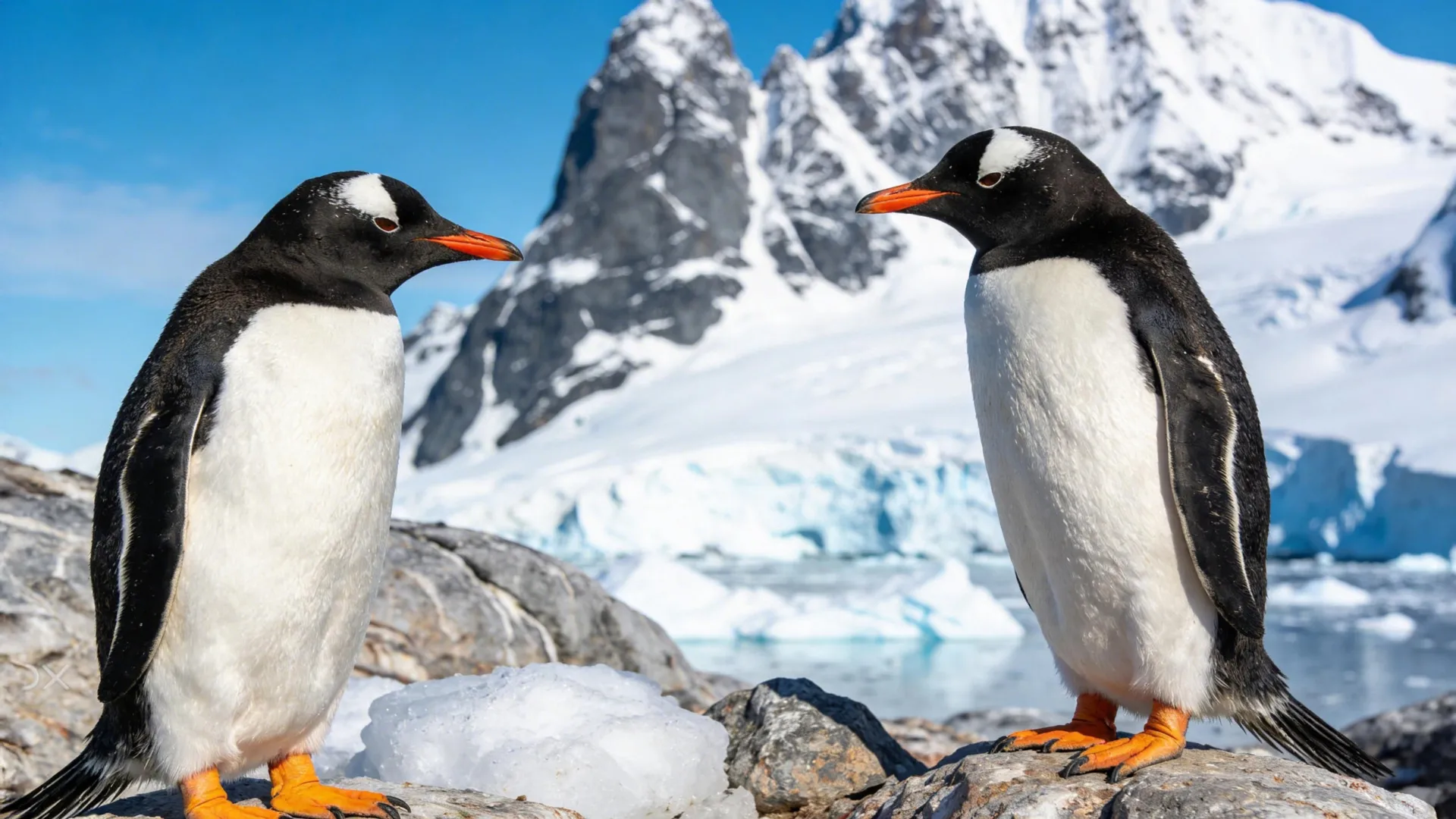
A multinational team of scientists has identified a new penguin species living on the Kerguelen Islands in the southern Indian Ocean, marking the first gentoo penguin species discovery in more than a century. The finding reshapes scientific understanding of the gentoo penguin genus, which researchers now recognize contains four distinct species rather than the single species previously thought.
The research team used genetic analysis to reveal the previously unrecognized species among populations spread across remote sub-Antarctic islands. By examining DNA from penguin populations across their range, the researchers identified genetic divergence significant enough to classify populations as separate species rather than subspecies or regional variants. This genetic evidence overturned decades of taxonomic classification based primarily on physical characteristics.
The newly identified species occupies the Kerguelen Islands, a French territory located roughly midway between South Africa and Antarctica. The isolation of this island group appears to have allowed the penguin population to evolve independently for thousands of years, accumulating enough genetic differences to constitute a distinct species. The other three gentoo penguin species now recognized occupy different regions across the sub-Antarctic, including South Georgia, the Falkland Islands, and the Antarctic Peninsula.
This discovery arrives during a period of rapid environmental change in the Southern Ocean. The team's findings also include a stark projection about the future of these populations. Rising ocean temperatures driven by climate change will compress suitable habitat for gentoo penguins across multiple island groups. The researchers predict that by 2050, several island populations will face dramatic reductions in available foraging habitat, as warming waters alter the distribution and abundance of krill, the primary food source for these birds.
The research combines classical taxonomic methods with modern genomic approaches, revealing that genetic structure does not always correspond neatly to visible physical differences. Gentoo penguins across different islands appear morphologically similar enough that visual inspection alone would not have flagged them as separate species. Only through large-scale genetic sequencing could researchers detect the population-level differences that warrant species recognition.
The timing of this discovery presents conservation challenges. Most penguin species have not received extensive population monitoring across their full range, making it difficult to establish baseline data before potential climate-driven declines. The newly recognized species on the Kerguelen Islands now requires distinct conservation attention and monitoring protocols, separate from other gentoo populations. Conservation status assessments for each of the four species will need updating based on their specific habitat projections and current population sizes.
The research adds penguin diversity to the growing catalog of species scientifically described in recent decades. While smaller organisms like insects and fungi dominate new species discoveries annually, large vertebrates like penguins rarely join the newly classified ranks. This discovery underscores how incomplete scientific knowledge remains even for charismatic, well-studied animals living in extreme environments. It also demonstrates the value of genetic approaches in resolving taxonomy for populations that evolved in geographic isolation.
The findings carry implications beyond taxonomy alone. Each newly recognized species requires individual assessment for conservation planning, particularly as climate change reshapes southern ocean ecosystems. The four gentoo species now face distinct challenges depending on their island locations and local oceanographic conditions.