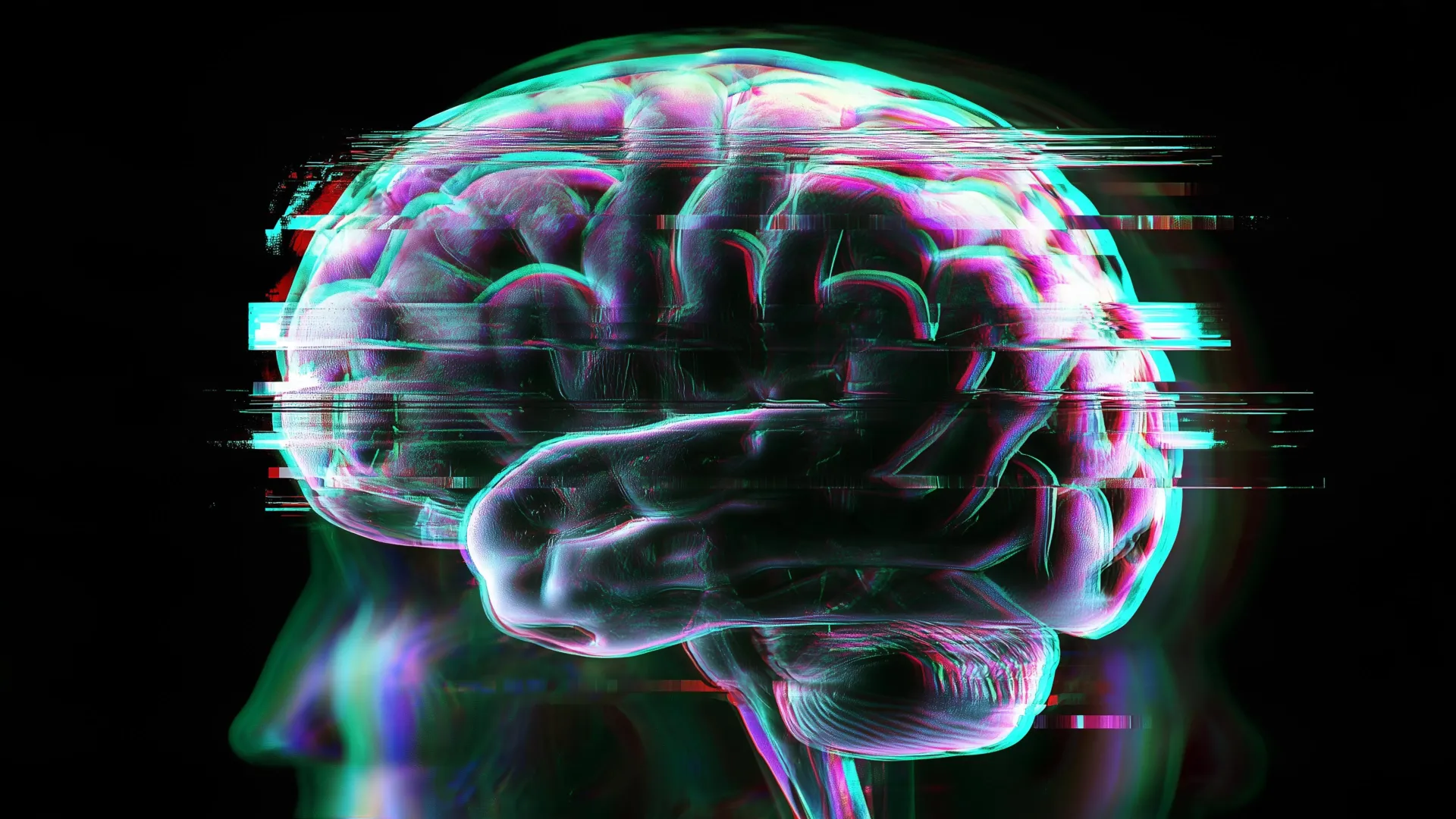
# Brain Scans Reveal Dopamine Damage May Drive Long COVID Fatigue and Brain Fog
Researchers have identified a biological mechanism that could explain why millions of long COVID patients suffer from debilitating fatigue and cognitive impairment. New brain imaging evidence suggests the condition damages neurons that produce dopamine, the neurochemical critical for motivation, movement, and memory.
The finding opens a potential pathway toward targeted treatments for symptoms that have resisted conventional approaches. Long COVID affects an estimated 7.7 million Americans and millions more globally, yet doctors have struggled to understand its underlying cause or develop effective therapies. Fatigue and brain fog rank among the most common complaints, often forcing patients to reduce work hours or leave employment entirely.
Scientists used positron emission tomography (PET) scans to measure dopamine function in long COVID patients' brains. The scans revealed reduced dopamine production in areas responsible for motivation and motor control. This neurochemical deficit correlates with patients' reported fatigue, difficulty concentrating, slowed physical movement, and memory problems. The connection between dopamine damage and these specific symptoms provides a testable biological explanation for what had previously appeared as a purely subjective complaint.
The research team did not identify what initially damages the dopamine system. Possibilities include persistent viral particles, residual inflammation, or autoimmune mechanisms triggered by the initial coronavirus infection. Long COVID symptoms emerge weeks or months after acute COVID-19, suggesting a prolonged pathological process rather than direct viral damage. Understanding the trigger mechanism will be essential for prevention and early intervention.
The dopamine hypothesis also connects long COVID to other conditions involving neurological dysfunction. Parkinson's disease causes loss of dopamine-producing neurons and presents with overlapping symptoms: fatigue, slowed movement, and cognitive decline. However, long COVID progresses differently and affects younger patients without the neurodegeneration seen in Parkinson's. This distinction matters because it suggests different treatment approaches.
Current long COVID therapies emphasize pacing, cognitive behavioral therapy, and managing specific symptoms. Dopamine-targeting medications already exist, including drugs that increase dopamine availability or mimic its action. Such approaches have shown promise in Parkinson's and attention disorders, though researchers would need to verify safety and efficacy in long COVID populations. Medications, lifestyle interventions, or other approaches that restore dopamine function could potentially reverse the cognitive and motivational symptoms.
The brain imaging work represents a shift toward objective biomarkers for long COVID. Many patients faced skepticism about whether their symptoms were "real" because standard blood tests and imaging appeared normal. Demonstrating measurable dopamine dysfunction provides neurological evidence that long COVID involves tangible brain changes, not psychological causes. This validation matters both for clinical recognition and for patients who felt dismissed by healthcare providers.
Researchers note that dopamine damage may explain only some long COVID manifestations. Other symptoms like chest pain, breathing problems, and orthostatic intolerance likely involve different physiological mechanisms. A comprehensive understanding of long COVID will probably require identifying multiple pathways of tissue injury and dysfunction.
The next phase of research involves larger patient cohorts, longitudinal tracking to understand how dopamine levels change over time, and clinical trials testing dopamine-boosting interventions. Understanding whether dopamine damage precedes symptom onset or develops secondarily could reshape prevention and treatment strategies for the millions still struggling with long COVID.