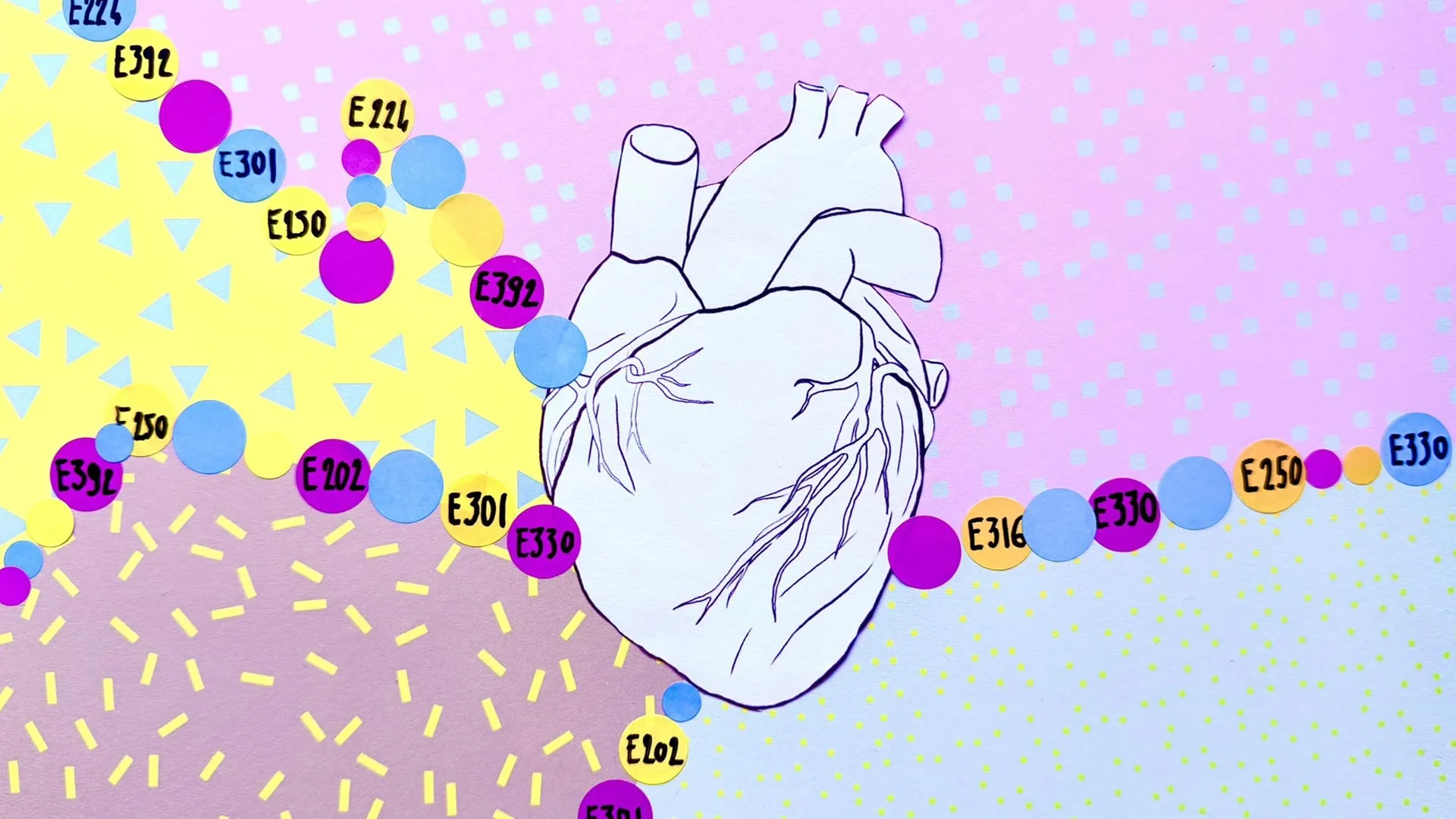
# Eight Food Preservatives Linked to High Blood Pressure and Heart Disease Risk
Researchers have identified eight commonly used food preservatives associated with elevated blood pressure and cardiovascular disease in people who consume them regularly, raising new questions about the safety of additives present in thousands of processed foods across supermarket shelves.
The observational study found that heavy consumption of these eight preservatives correlates with substantially higher rates of hypertension and heart disease. The research team stopped short of establishing direct causation, as is standard in observational studies that track existing patterns rather than test interventions in controlled settings.
The eight preservatives in question are widespread in the food industry. They appear in everything from packaged meats and canned vegetables to baked goods and snack foods. Most consumers encounter them regularly without knowing their chemical names or potential health implications. The additives serve practical purposes for manufacturers, extending shelf life and preventing spoilage. However, the new research suggests that the convenience these chemicals provide may come with cardiovascular costs.
The association between these preservatives and hypertension emerged from analysis of consumption patterns and health outcomes in large populations. Researchers tracked how much of each additive people consumed through their regular diets and compared these amounts to their blood pressure readings and cardiovascular health status. Those with the highest consumption levels showed the most pronounced increases in hypertension risk and heart disease incidence.
The specific preservatives were not named in the initial reporting, though the study identifies them clearly in its full documentation. This matters because people cannot avoid what they do not know they are consuming. Food labels list these additives but often use technical nomenclature that means little to the average consumer making grocery decisions.
The distinction between correlation and causation remains important here. Observational studies identify patterns but cannot prove that one factor directly causes another. People who consume high amounts of processed foods with these preservatives may differ in other ways from those who eat fewer processed foods. They might exercise less, consume more salt overall, or have different diets in other respects that contribute to heart disease risk. Randomized controlled trials, where researchers manipulate variables directly, would be needed to establish definitive causal relationships.
Nevertheless, the findings add to growing concerns about how industrial food processing affects public health. Multiple studies in recent years have linked heavily processed diets to obesity, diabetes, and cardiovascular problems. The specific chemical additives themselves may play a role distinct from other aspects of processed foods.
The research raises practical questions for regulators and the food industry. The U.S. Food and Drug Administration and similar agencies in other countries classify these preservatives as "generally recognized as safe," or GRAS. That designation was often established decades ago based on limited data about long-term consumption patterns or cardiovascular effects. Updated safety reviews may be warranted.
For consumers, the findings suggest reducing consumption of heavily processed foods remains sound advice for heart health. Fresh and minimally processed foods naturally contain fewer synthetic additives. Even among processed foods, reading ingredient lists and choosing products with fewer added preservatives represents a practical approach until regulatory bodies conduct more definitive investigations into these eight additives.