# Colored Rice Shows Metabolic Promise in New Study
Researchers have identified compounds in black and green Japanese rice varieties that may offer metabolic benefits unavailable in conventional white rice, according to new analysis of these pigmented grains.
The study found that black and green rice contain unusual fatty acids not typically present in white rice varieties. These fats, combined with slower digestion rates, position the colored rices as potential functional food ingredients for managing blood sugar and supporting overall metabolic health.
The discovery emerged from comparative analysis of rice composition across varieties. Scientists examined the lipid profiles and digestive properties of the pigmented rices against standard white rice. Black and green rice varieties demonstrated distinct fatty acid signatures alongside reduced glycemic response, the latter referring to how quickly the rice raises blood glucose levels after consumption.
The slower digestion rate matters clinically. Foods that digest rapidly cause sharp spikes in blood sugar, which can strain the pancreas and contribute to metabolic dysfunction. Rice varieties that slow glucose absorption help maintain steadier blood sugar levels, reducing the risk of insulin resistance and type 2 diabetes development.
The unusual fats identified in black and green rice add another layer of potential benefit. While the article does not specify the exact fatty acids detected, the researchers characterized them as atypical for rice grains. These compounds may exert independent metabolic effects beyond the slower digestion profile, though additional research remains necessary to isolate and confirm their specific mechanisms.
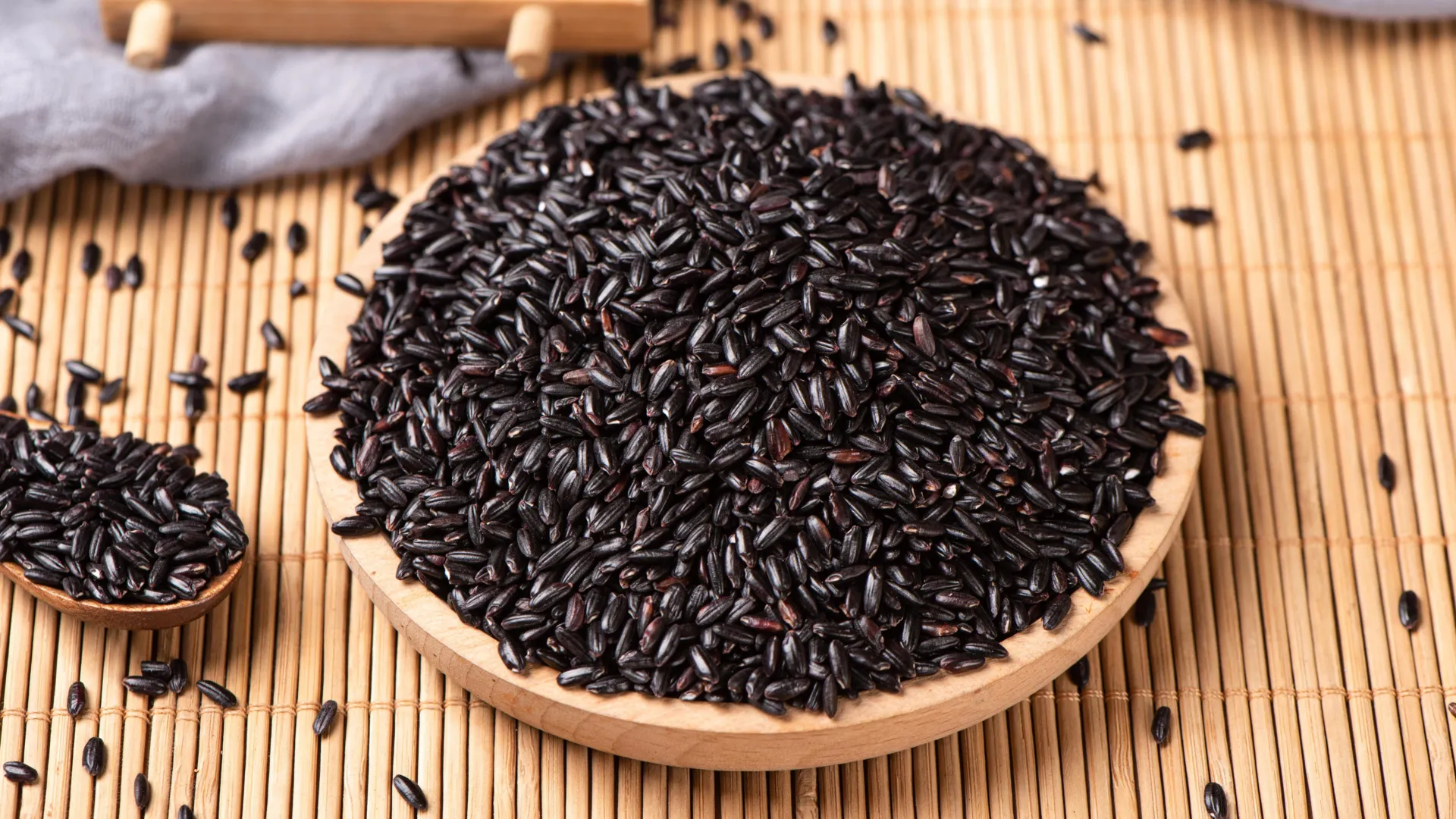
Black rice, sometimes called forbidden rice due to its historical rarity and exclusivity in Asian courts, contains anthocyanins and other polyphenolic compounds responsible for its dark pigmentation. These antioxidants contribute to the grain's health profile. Green rice varieties similarly contain phytochemicals that distinguish them nutritionally from white rice, which undergoes milling that removes much of the bran and germ layers containing bioactive compounds.
Food scientists see application potential in functional food development. The combination of favorable lipid composition and slow digestibility makes black and green rice candidates for incorporation into products designed to support metabolic health without requiring artificial additives or pharmaceutical interventions. This aligns with growing consumer demand for whole-food approaches to wellness.
The findings require context regarding their scope and applicability. The analysis identifies compositional differences and digestive properties but does not constitute clinical evidence that consuming these rices prevents disease or improves health outcomes in living subjects. Human intervention studies would be necessary to establish whether the laboratory observations translate to real-world metabolic benefits.
Geographic and agricultural factors also influence rice composition. Black and green rice grown in different regions or under varying conditions may show compositional variation. The research focused on Japanese varieties, which may or may not represent the broader range of colored rice cultivars grown globally.
This research opens pathways for further investigation into how traditional rice varieties can support modern nutritional goals. Incorporating these grains into existing diets or developing new grain-based products could offer accessible dietary strategies for individuals seeking to manage blood sugar without pharmaceutical intervention. Food manufacturers, nutritionists, and agricultural scientists will likely pursue these avenues as the evidence base expands.