# Ancient Water Cycle May Have Powered Early Earth Volcanoes
Geologists examining rocks from Western Australia have uncovered evidence that water penetrated deep into Earth's mantle more than three billion years ago, fundamentally reshaping our understanding of how the early planet worked. The discovery suggests a water-transport mechanism operated long before modern plate tectonics fully developed, challenging assumptions about when Earth's current geological systems emerged.
The research team identified water signatures locked inside ancient rocks in Western Australia, indicating that wet crustal material descended into the mantle during the Archean Eon. This period, spanning from 4 billion to 2.5 billion years ago, remains poorly understood. The rocks preserve chemical evidence of water-rock interactions at extreme depths.
Scientists propose the mechanism responsible for this water transport operates through what they call "dripduction." Unlike modern plate tectonics, where oceanic plates slide beneath continental plates at defined subduction zones, dripduction involves smaller, water-rich pieces of crust periodically sinking into Earth's mantle over time. This process would have been episodic rather than continuous, driven by the weight and density of water-saturated rocks accumulating until they became heavy enough to descend.
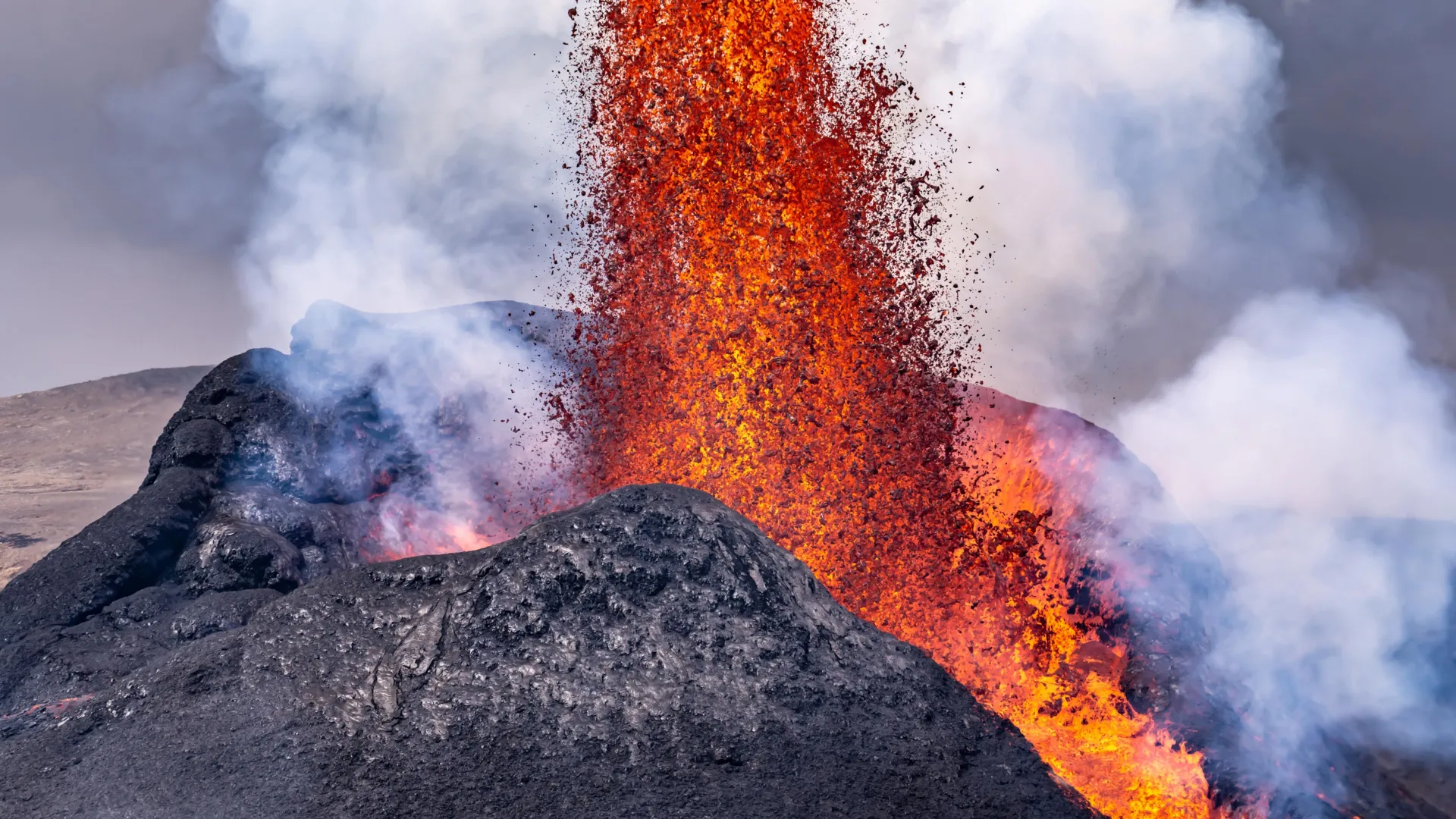
Once submerged, the water released from these rocks would have risen into hotter mantle material, lowering its melting point and generating magma. This magma then rose back toward the surface, feeding volcanic activity. The cycle represented an early version of how water regulates volcanic behavior today, except operating through a different mechanism in a hotter, less organized early Earth.
"The water signatures we found in these ancient rocks tell us that the deep-mantle water cycle was already active three billion years ago," explains the research team's chemical analysis. The rocks contain hydrous minerals and isotope ratios consistent with mantle-derived material that had interacted with water at depth.
This timeline matters because it pushes back when we think Earth's water cycle became fully operational. Previously, many researchers assumed that modern plate tectonics, which systematically transports water deep into the planet, only became the dominant geological process around 2.5 billion years ago or even later. If dripduction transported water into the Archean mantle, Earth's interior recycled volatiles far earlier than previously thought.
The discovery also illuminates how the early Earth maintained volcanic activity sufficient to outgas hydrogen and other volatiles that shaped the atmosphere. Understanding these ancient processes provides context for how the planet's surface and atmosphere co-evolved during the Archean.
However, several questions remain unresolved. Researchers must clarify how widespread dripduction was and whether it operated globally or only in specific regions like Western Australia. They also need to determine what triggered the transition from dripduction to modern plate tectonics, and whether these processes overlapped during intermediate geological periods.
The work appears consistent with recent findings from other research groups studying early crustal evolution, suggesting growing consensus that simple models of the Archean Earth require revision. Future drilling projects and laboratory experiments replicating mantle conditions will test whether dripduction can indeed produce the observed rock compositions.