# A War of 1812 Veteran's Hidden Struggle Emerges from Rediscovered Memoir
Shadrack Byfield became a footnote in military history for an unusual act: he buried his own amputated arm after the War of 1812. A newly rediscovered memoir reveals his legacy extends far beyond that striking detail, painting a portrait of a man locked in decades-long battles against chronic pain, poverty, bureaucratic indifference, and social ostracism.
The memoir, surfaced through historical research, transforms Byfield from a curious anecdote into a complex figure whose life trajectory challenges popular narratives about early 19th-century veterans. Rather than a soldier who simply adapted and moved forward, Byfield emerges as deeply troubled and rebellious, fighting on multiple fronts simultaneously.
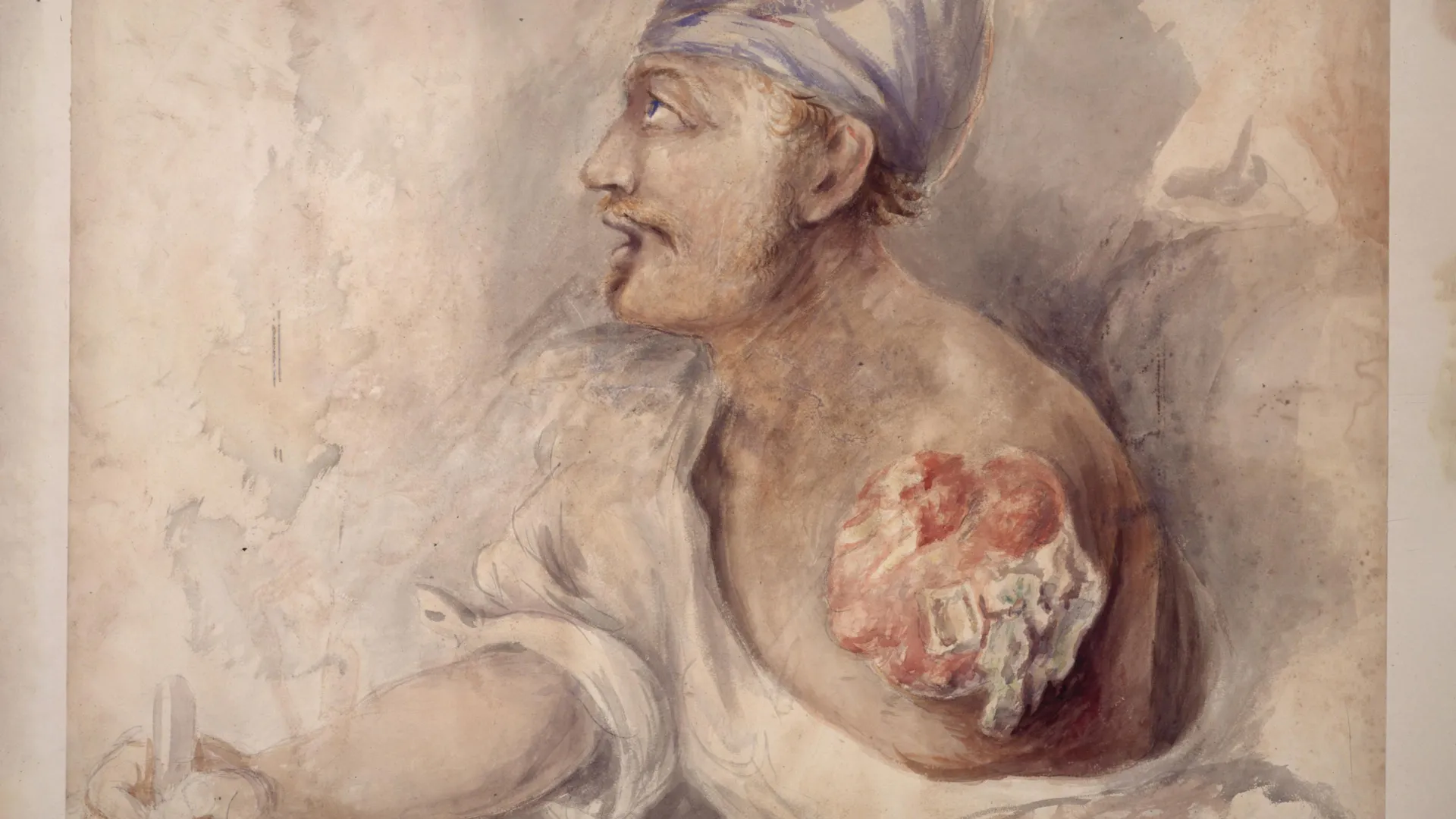
Byfield served during the War of 1812, the conflict between the United States and Britain that lasted from 1812 to 1815. During his service, he lost his arm, a catastrophic injury that would define the rest of his existence. Rather than rely solely on primitive prosthetics available at the time, Byfield engineered a custom device himself, demonstrating both resourcefulness and determination. Yet this ingenuity could not compensate for what he truly needed: a stable income and recognition from authorities who had sent him to war.
The memoir documents Byfield's relentless quest for a pension befitting his sacrifice. He pursued this claim for decades, facing repeated rejections and bureaucratic obstacles. His battle for compensation was not merely financial but philosophical. Byfield believed he had earned more than subsistence. He demanded independence and dignity.
Chronic pain haunted him throughout his life. The wound itself never fully healed emotionally or physically. Historical accounts typically gloss over such suffering, but Byfield's own words reveal someone grappling with unremitting physical torment that shaped every decision, every interaction, every day.
Beyond the institutional battles, Byfield faced social friction that historians had previously overlooked. He clashed with rivals at his local chapel, suggesting deeper personal conflicts and community tensions. He navigated poverty that threatened his ability to survive. These struggles operated simultaneously with his fight for recognition from government authorities who had conscripted him into service.
The rediscovery of this memoir matters because it complicates how historians understand the War of 1812 and its aftermath. Popular history often reduces soldiers to their most striking moments. Byfield's buried arm became the story. But the real story involves a man chronically marginalized by the very institutions that benefited from his service. It reveals the social costs of war at the individual level. It demonstrates how disability, poverty, and institutional neglect combined to create prolonged suffering for someone who had sacrificed physical wholeness for his nation.
The memoir also provides rare first-person documentation from someone living with amputation and prosthetics in the early American republic. Such accounts are scarce. Byfield's voice, preserved in his own words, offers historians access to the texture of daily life for disabled veterans in an era before modern prosthetics, social safety nets, or meaningful veterans' services.
Understanding Byfield's real story shifts focus from the sensational detail of self-burial to the systemic failures that made his life difficult. He survived. He adapted. But he did so against resistance from every direction, fighting alone for recognition that never fully came.