# The Last Starship Emerges as 2026's Hidden Strategy Gem
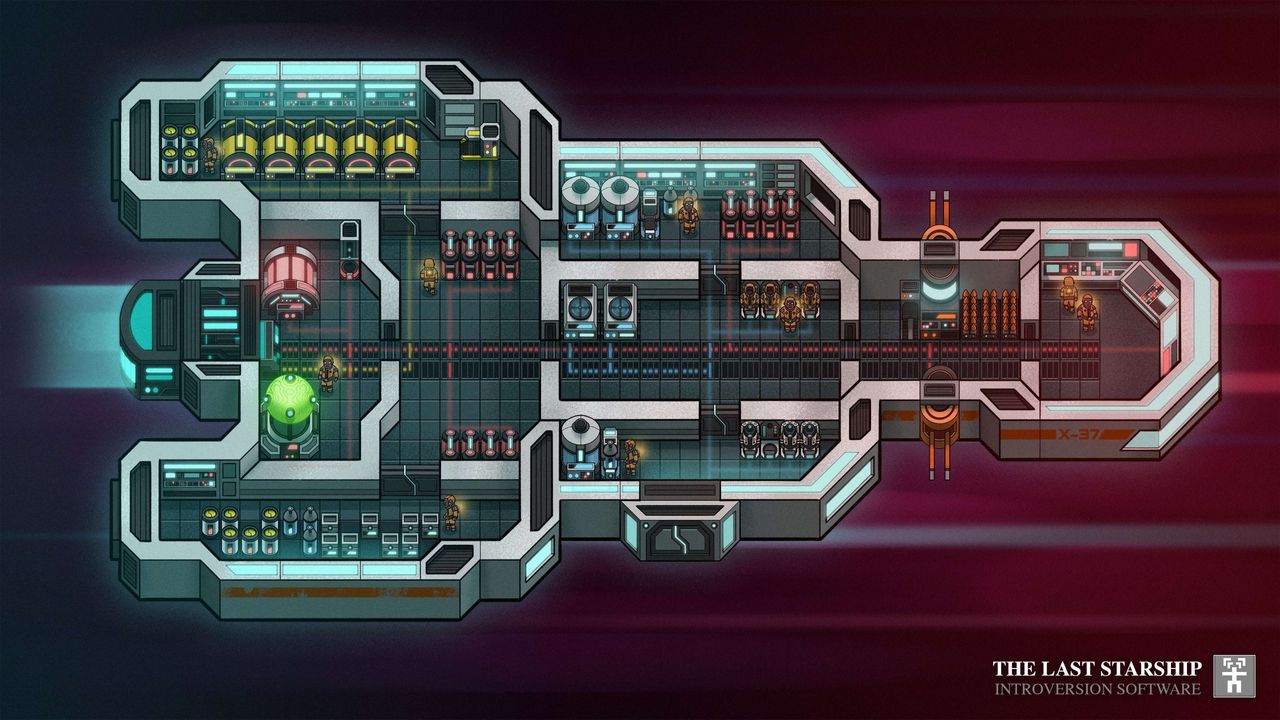
Introversion Software's "The Last Starship" positions itself as one of 2026's most overlooked space games, blending shipbuilding mechanics with roguelike strategy gameplay reminiscent of the acclaimed "FTL: Faster Than Light."
The game tasks players with constructing and managing a starship while navigating procedurally generated space scenarios. Unlike traditional space sims that emphasize piloting or combat mechanics alone, "The Last Starship" layers strategic decision-making across ship design, resource allocation, and crew management. Players must balance competing demands: weapons systems, life support, fuel capacity, and defensive shielding all compete for limited construction resources.
Introversion Software, the Cambridge-based studio behind minimalist strategy titles like "Uplink" and "Prison Architect," applies its design philosophy to space exploration. The studio favors elegant systems over graphical spectacle, prioritizing gameplay depth and replayability. This approach aligns with the resurgent interest in indie strategy games that challenge players intellectually rather than demanding high-end hardware.
The "FTL" comparison carries weight. Like that 2012 roguelike, "The Last Starship" generates new challenges with each playthrough, forcing players to adapt their strategies based on random events and available resources. Death becomes permanent, pushing players to learn from failures and develop new tactics. This design loop creates the replay value that separates memorable indie games from forgotten ones.
The shipbuilding sandbox element adds layers absent from "FTL." Players don't simply select pre-built vessels. Instead, they design ships through modular construction, placing individual components on a grid-based hull. A poorly designed power distribution system might leave weapons offline during critical moments. An inefficient engine configuration consumes fuel too rapidly. These design consequences ripple through gameplay, rewarding thoughtful planning and punishing careless construction.
Space.com's coverage highlights the game's stealth quality within a crowded 2026 release calendar. Major publishers dominate headlines with AAA tentpole releases, while smaller productions struggle for visibility. "The Last Starship" occupies this shadow space, lacking the marketing budgets of larger competitors yet offering depth that rivals much pricier titles.
The timing matters. The strategy game renaissance has accelerated following successes like "Hades," "Slay the Spire," and recent releases showing indie developers can achieve critical and commercial success without major publisher backing. "The Last Starship" enters this ecosystem with proven mechanics and fresh execution.
For players seeking games that reward mastery and offer substantial replay value, "The Last Starship" delivers. Its combination of roguelike structure, strategic shipbuilding, and procedural generation creates a framework for emergent gameplay. The sandbox nature means players discover optimal strategies through experimentation rather than following tutorials.
Introversion's track record provides confidence. The studio has consistently delivered games with robust systems and surprising depth. "Prison Architect" evolved through early access into a polished simulation with devoted fans years after launch. "The Last Starship" suggests similar potential.
The game may lack the brand recognition of "Star Citizen" or the mainstream appeal of "No Man's Sky," but strategic depth and replayability appeal to specific audiences willing to invest time. For those audiences, "The Last Starship" represents exactly the kind of thoughtful, systems-driven experience that defines the best indie games.