# Ancient Egyptian Princesses Were Weaponed Warriors, Bone Analysis Reveals
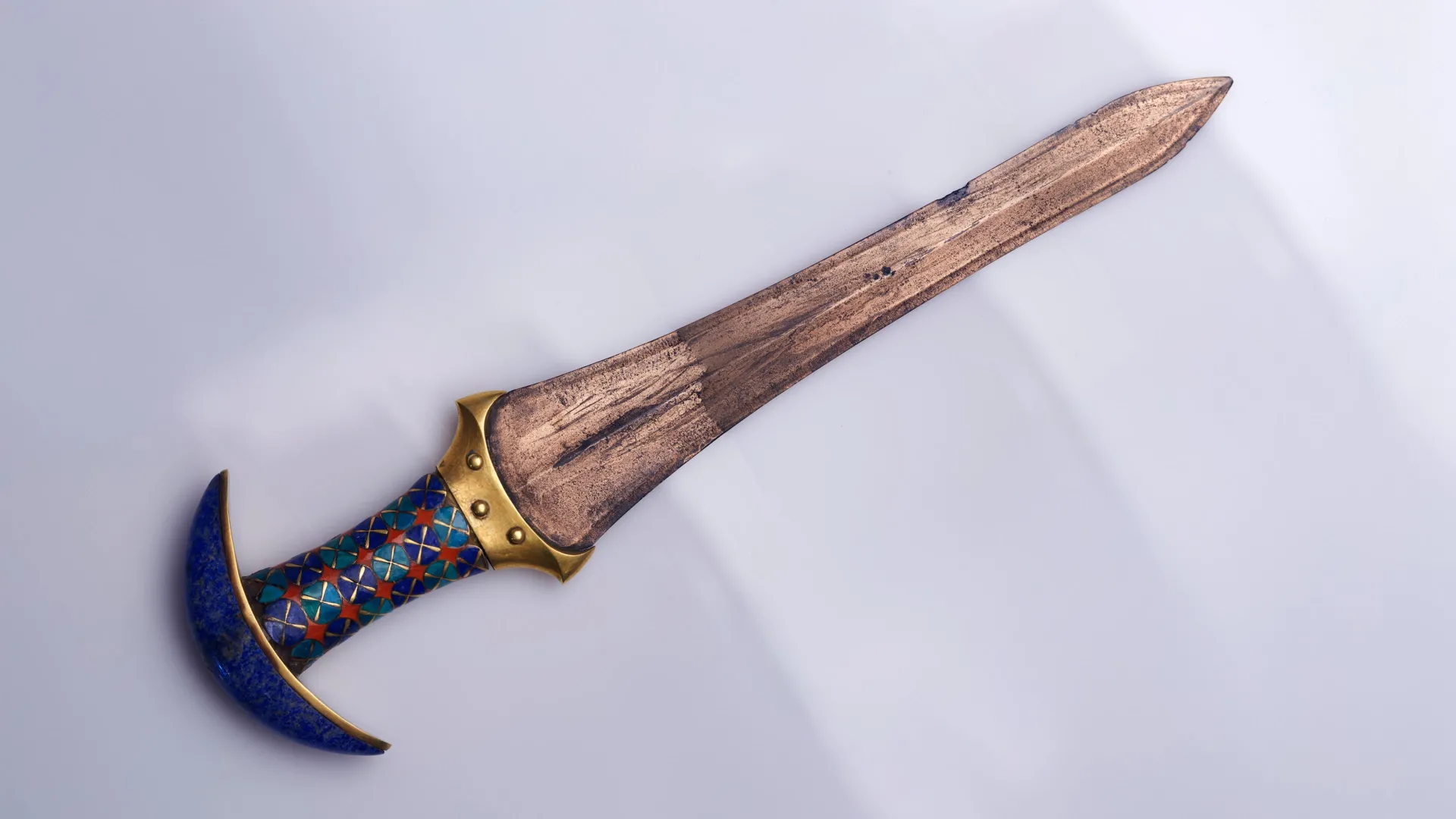
Archaeologists uncovering royal tombs at Dahshur, Egypt have overturned assumptions about elite women in antiquity. Weapons buried alongside ancient Egyptian princesses were not merely symbolic ornaments but tools these women actually wielded. New skeletal analysis reveals that royal women trained extensively with bows, spears, and other weapons, contradicting the prevailing view that female members of the pharaonic elite lived sheltered, ceremonial lives.
The research team examined bone structure and trauma patterns in remains of multiple royal women entombed at Dahshur, a necropolis south of Cairo. The scientists identified distinctive skeletal markers consistent with years of repetitive archery practice, including bone remodeling in the shoulders, arms, and spine. These anatomical signatures match those seen in professional archers across cultures and time periods. Beyond archery evidence, the bones showed adaptations suggesting participation in other demanding physical activities involving weapons.
Healed fractures and other injury patterns offered further clues about active lives. Several princesses bore evidence of past breaks and trauma that had mended, indicating they survived accidents or collisions during training or combat. The distribution and nature of these injuries ruled out simple falls or domestic accidents, instead suggesting high-impact activities consistent with hunting expeditions or military preparation.
The discovery challenges longstanding archaeological narratives that positioned royal women of ancient Egypt primarily as passive figures in religious ceremonies and court functions. While some queens held religious titles and participated in temple rituals, this new evidence suggests at least some elite women trained as warriors or hunters. The practice may have reflected both practical military needs and social status. Weapons training could have marked princesses as members of the most privileged class, capable of pursuits beyond reproductive or ceremonial roles.
Dating and cultural context matter here. Ancient Egypt spanned three thousand years with varying social structures. Some periods and dynasties granted women greater autonomy and authority than others. The Dahshur burials likely date to the Middle Kingdom, a period when Egyptian women enjoyed broader property rights and public roles compared to later eras. Royal status would have provided exceptional women access to training typically reserved for men.
The research builds on previous findings that some ancient female rulers like Hatshepsut and Cleopatra actively governed and participated in military campaigns. Yet this skeletal evidence extends the picture downward through the royal hierarchy, suggesting warrior training reached multiple women within the palace, not just ruling monarchs.
The bone analysis methodology represents meticulous forensic anthropology. Researchers document specific skeletal changes that accumulate only through sustained, repetitive motion and trauma. This approach provides objective physical data about past activities, moving beyond inferences based solely on burial goods or artistic depictions.
Future work should expand beyond Dahshur to examine royal women buried at other Egyptian sites. Comparative analysis across dynasties and centuries could reveal whether weapon training was widespread among elite women or limited to specific families and time periods. The findings underscore how skeletal biology preserves evidence of daily life invisible in tomb decorations and inscriptions, offering glimpses into the actual activities of people dead for millennia.