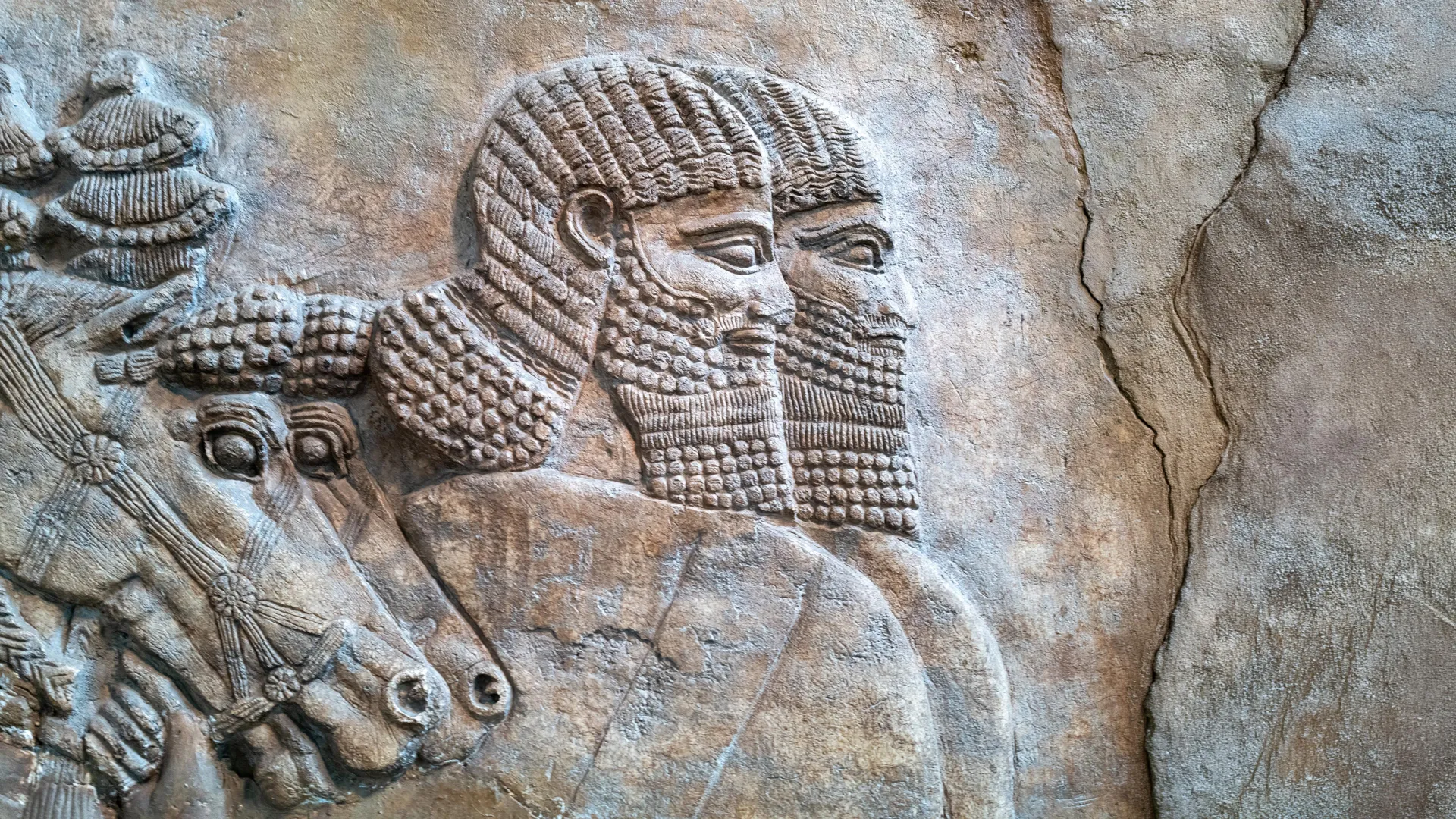
# Three Forgotten Kings May Rewrite Assyrian Chronology
Three ancient Assyrian kings erased from history may finally be restored to the historical record after more than 2,700 years of obscurity. Researchers have pieced together evidence from clay tablets, inscriptions, and archaeological artifacts to argue that these rulers were deliberately excluded from the authoritative Assyrian King List, a cuneiform document that has shaped scholarly understanding of the ancient empire for centuries.
The Assyrian King List stands as one of the most important historical documents from the ancient Near East, serving as the backbone for dating Mesopotamian history. Compiled by scribes in the 13th century BCE, it catalogs rulers and their reign lengths. However, scholars have long suspected gaps and omissions in this list. The discovery of these three previously unknown kings challenges the completeness of this foundational source and raises questions about why ancient scribes deliberately erased certain rulers from the official record.
The research team identified the missing kings by cross-referencing information scattered across multiple ancient sources. Clay tablets bearing royal correspondence and administrative records mention these rulers in contexts where they should appear on the King List but do not. Additionally, archaeological inscriptions carved into monuments and palaces reference these individuals exercising royal authority. A statue bearing relevant inscriptions provided physical evidence tying these fragmentary records to actual historical figures.
The omission of these rulers likely reflects political tensions or dynastic struggles within Assyria. Ancient societies frequently practiced a form of historical erasure known as damnatio memoriae, where rivals or illegitimate claimants were systematically removed from official records. This practice served propagandistic purposes, allowing subsequent regimes to reshape historical narratives in their favor. The three forgotten kings may have been controversial figures whose legitimacy later rulers questioned or whose removal served dynastic interests.
This discovery carries major implications for Assyrian chronology and our understanding of Near Eastern history during the period these kings ruled. Even slight adjustments to the accepted timeline of Assyrian rulers can cascade through related chronologies of other ancient civilizations, affecting how scholars date events in Egypt, the Hittite Empire, and other contemporaneous societies. The Bronze Age chronology of the entire Mediterranean and Near Eastern world depends partly on synchronized records from Assyria.
The research also demonstrates the power of tablet analysis and epigraphy (the study of inscriptions) in reconstructing lost history. By carefully comparing multiple independent sources rather than relying solely on one authoritative list, researchers can recover information deliberately suppressed by ancient authorities. This approach has successfully challenged other long-held assumptions about ancient history.
Further work will involve searching for additional references to these three kings in unexamined tablet collections held in museums worldwide. Scholars will likely reexamine the King List itself for linguistic or contextual clues about why these specific rulers were excluded. This investigation may uncover additional forgotten monarchs and provide deeper insight into Assyrian political succession and internal conflict during particular periods.
The findings underscore how much ancient history remains hidden not just underground but in plain sight, embedded in overlooked connections between fragmented sources. The true history of Assyria remains more complex than any single ancient document reveals.