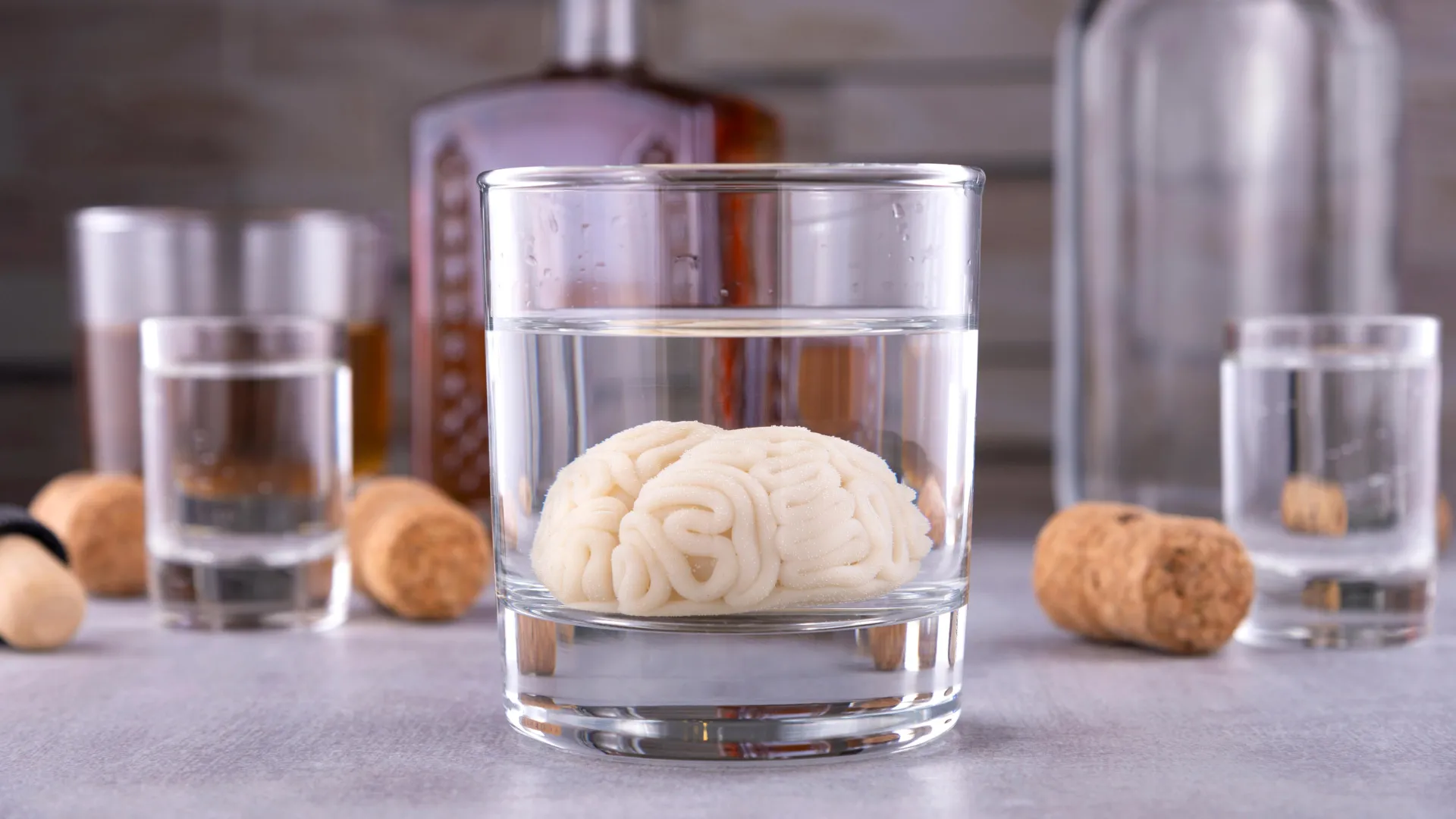
Researchers studying alcohol relapse discovered that quitting drinking triggers heightened brain activity in regions tied to stress and addiction, potentially setting the stage for relapse. The finding comes from experiments with mice that developed compulsive drinking patterns after abstaining from alcohol, suggesting the brain's response to sobriety itself may increase vulnerability to resuming use.
Scientists observed that mice achieving abstinence displayed more than double the normal activity in a brain region associated with stress processing and addictive behaviors. Crucially, this elevated activity appeared before the animals returned to drinking, indicating it could serve as an early warning sign of relapse risk. The research opens a path toward identifying which individuals face the highest danger of returning to alcohol use after quitting.
The study addresses a persistent challenge in addiction treatment. Relapse rates for alcohol use disorder remain stubbornly high even when individuals successfully achieve initial abstinence. Understanding the neurobiological mechanisms underlying relapse has proven difficult because most research focuses on what happens during active drinking or acute withdrawal. This work shifts attention to the brain state during sustained abstinence, revealing that the absence of alcohol does not simply return the brain to baseline.
The researchers induced alcohol dependence in mice through extended access to alcohol, then monitored their brains during periods of abstinence using imaging technology. When animals resumed drinking after forced abstinence, the team identified the elevated activity pattern in the stress-responsive brain region that had emerged during the sober period. This temporal sequence matters because it suggests the heightened activity does not result from drinking resumption but rather precedes and potentially drives it.
The stress system's role in addiction relapse has long interested neuroscientists. Stress hormones and neural circuits involved in threat detection often become dysregulated in individuals with alcohol use disorder. This research suggests that abstinence itself activates these stress-related networks, creating an internal state of heightened tension. Rather than alcohol withdrawal causing this effect, the brain's adaptation to the prolonged absence of a regularly consumed substance appears responsible.
The findings carry implications for treatment development. If researchers can translate these mouse findings to humans, biomarkers reflecting this heightened activity might predict relapse vulnerability with greater accuracy than current behavioral assessments. Early identification would allow clinicians to intensify interventions for high-risk individuals, whether through stress-management techniques, medications, or enhanced psychotherapy.
Several limitations warrant consideration. Mouse brains, while sharing fundamental architecture with human brains, process complex decision-making and emotional regulation differently. The compulsive drinking model in rodents, though useful for studying mechanisms, does not fully capture the psychological and social dimensions of human addiction. Additionally, the research examines correlation between brain activity and relapse risk, not necessarily causation. The elevated activity might reflect a symptom of relapse risk rather than its direct cause.
Future work should map how specific neural circuits within the stress-responsive region contribute to relapse behavior and whether pharmaceutical or behavioral interventions can normalize the aberrant activity. Clinical studies in humans would determine whether this finding translates to clinical utility. For now, the research provides valuable insight into why quitting alcohol represents such a neurologically taxing process, potentially informing more effective relapse-prevention strategies.