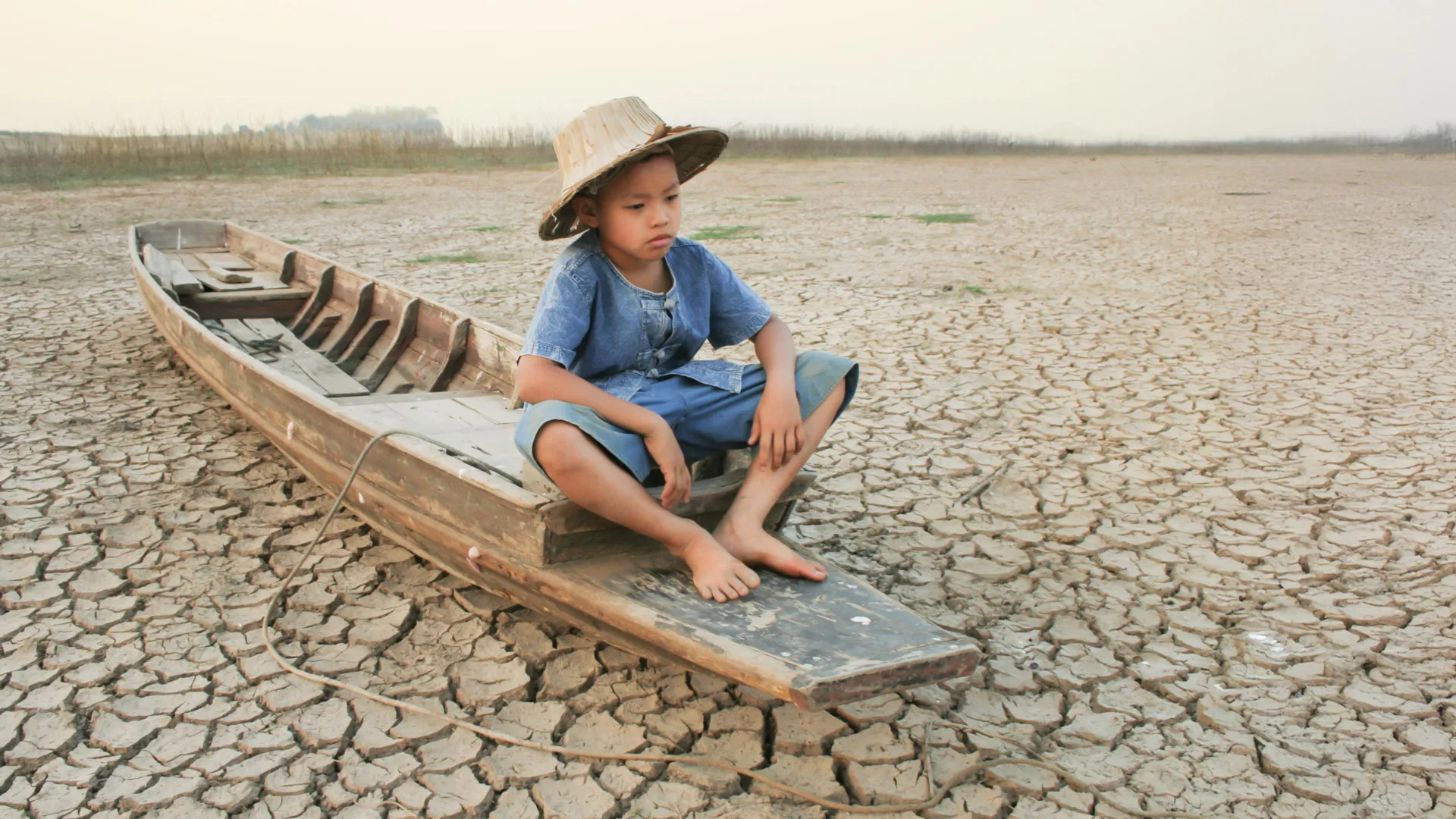
The "Asian water tower," the vast high-altitude aquifer system spanning the Tibetan Plateau and surrounding mountain ranges, is depleting at an alarming rate of 24.2 billion tonnes of groundwater annually. This loss threatens water security for billions of people across Asia who depend on the region's rivers and underground reserves.
The depletion concentrates most severely in densely populated agricultural zones, where intensive irrigation for crop production accelerates groundwater extraction far beyond natural replenishment rates. Researchers determined these figures by analyzing satellite data tracking changes in water storage across the region over recent decades.
The crisis presents a troubling timeline. Accelerating glacier melt from climate change may temporarily increase water availability around the 2060s, creating a brief period of relief. However, this reprieve depends entirely on one factor: whether water consumption patterns change. Without substantial reductions in agricultural water use and irrigation practices, scientists project that groundwater depletion will resume and intensify dramatically after glaciers shrink beyond a critical threshold.
This research underscores a fundamental vulnerability in Asia's water infrastructure. Hundreds of millions of people in India, China, Pakistan, and Central Asia rely on groundwater and glacier-fed rivers for drinking water, irrigation, and hydroelectric power. The current extraction rate proves unsustainable against natural recharge cycles. Once glacial reserves diminish, the system lacks sufficient capacity to support current demand levels.
The findings carry implications for agricultural productivity, economic stability, and geopolitical tensions over water resources. Nations sharing the region's aquifers face mounting pressure to adopt water conservation strategies, develop alternative irrigation methods, and invest in wastewater recycling.
Scientists stress that the temporary respite from glacier melt offers a critical window for implementing policy changes. Delaying intervention guarantees compound damage: depleted aquifers recover over centuries, if at all. The research emphasizes that technological