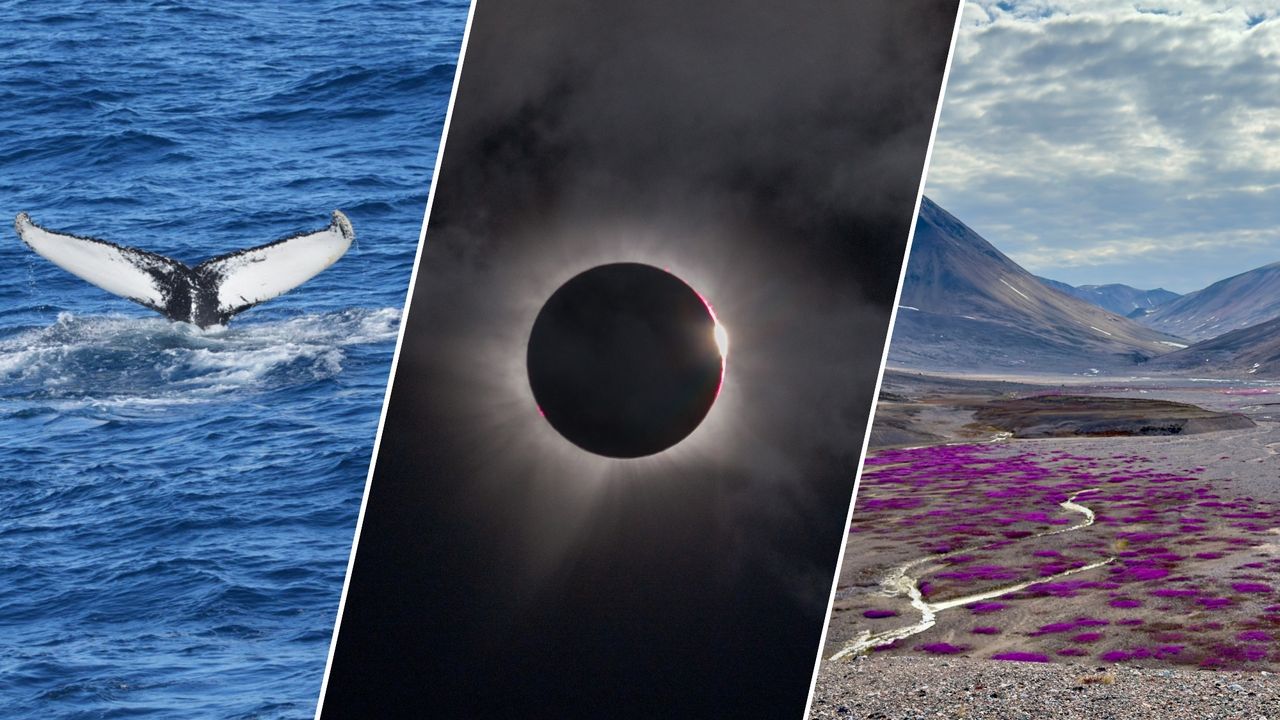
A journalist traveled to East Greenland to witness the total solar eclipse and experienced something that scientific knowledge and photographs could not replicate. Despite understanding the physics of eclipses and having studied thousands of eclipse images, the direct observation of totality above Greenland's icebergs and fjords proved emotionally overwhelming in ways that defied prior preparation.
The account highlights a phenomenon well-documented among eclipse chasers and astronomers. Witnessing a total solar eclipse in person triggers a visceral response distinct from consuming eclipse media or understanding the celestial mechanics involved. During totality, the sun's corona becomes visible, daylight vanishes, stars emerge in the daytime sky, and temperatures drop noticeably. These simultaneous sensory experiences create an impact that photographs and data cannot convey.
Greenland presents one of the world's most dramatic eclipse observation locations. The combination of pristine Arctic landscapes, minimal light pollution, and extended viewing windows from coastal positions makes it an ideal destination for serious eclipse observers. The iceberg-filled fjords of East Greenland add aesthetic and scientific value to observations, as they represent visible evidence of climate change and glacial dynamics.
The eclipse tourism industry has grown substantially, with dedicated expeditions to remote locations worldwide. Organizations charter ships and aircraft to position observers in the path of totality, recognizing that eclipse chasers will travel extraordinary distances for the experience. These expeditions combine scientific observation with expedition travel, appealing to both researchers and amateur astronomers.
The personal testimony from this Greenland expedition reflects broader patterns in eclipse science communication. While mathematical models and photographic records serve essential purposes in eclipse research, direct observation remains irreplaceable for understanding both the physical phenomenon and human response to it. The encounter with totality over Arctic terrain demonstrates how natural phenomena can transcend intellectual comprehension and create profound emotional moments that reshape how observers relate to astronomy and Earth's place in space.