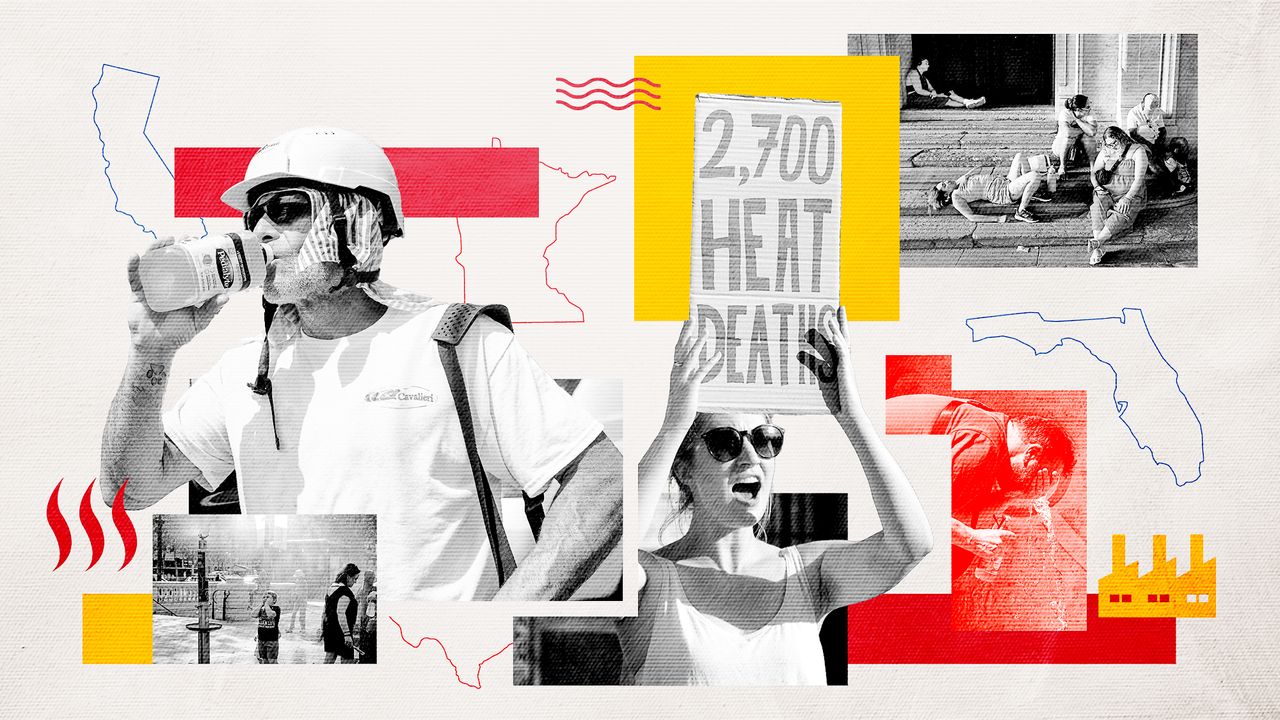
Extreme heat waves across the United States will intensify dramatically over the next decades. Research indicates that days exceeding 105 degrees Fahrenheit will triple under current climate trajectories, with severe consequences for public health.
The projection comes from climate modeling studies tracking temperature patterns as greenhouse gas emissions continue. Scientists have documented that heat-related illnesses will surge across vulnerable populations, including outdoor workers, elderly adults, and those with pre-existing cardiovascular and respiratory conditions. Emergency departments already report increases in heat stroke, dehydration, and exacerbation of chronic diseases during existing heat waves.
The physiological impacts span multiple body systems. Extreme temperatures impair the body's thermoregulation mechanisms, placing stress on the cardiovascular system as it works to cool the body through sweating and blood vessel dilation. Kidney function deteriorates under heat stress, particularly when dehydration accompanies prolonged exposure. Mental health effects also emerge, with research linking extreme heat to increased rates of depression, anxiety, and hospital admissions for psychiatric conditions.
Geographic disparities will worsen existing health inequities. Urban heat islands, where cities with limited tree canopy and abundant pavement absorb and retain more heat, will create zones where temperatures exceed surrounding rural areas by 10 to 15 degrees Fahrenheit. Communities with lower incomes often lack air conditioning access and live in these hotter neighborhoods, concentrating risk.
Occupational health presents another challenge. Construction workers, agricultural laborers, and outdoor recreation professionals face direct exposure without adequate cooling infrastructure. Heat-related workplace injuries and fatalities will climb alongside ambient temperatures.
The broader health system will face strain. Hospitals will handle surging patient volumes during extreme heat events, potentially overwhelming emergency services. Medication efficacy changes under heat stress, complicating treatment for chronic disease patients. Healthcare workers themselves will experience burnout managing the crisis load.
Mitigation strategies include expanding