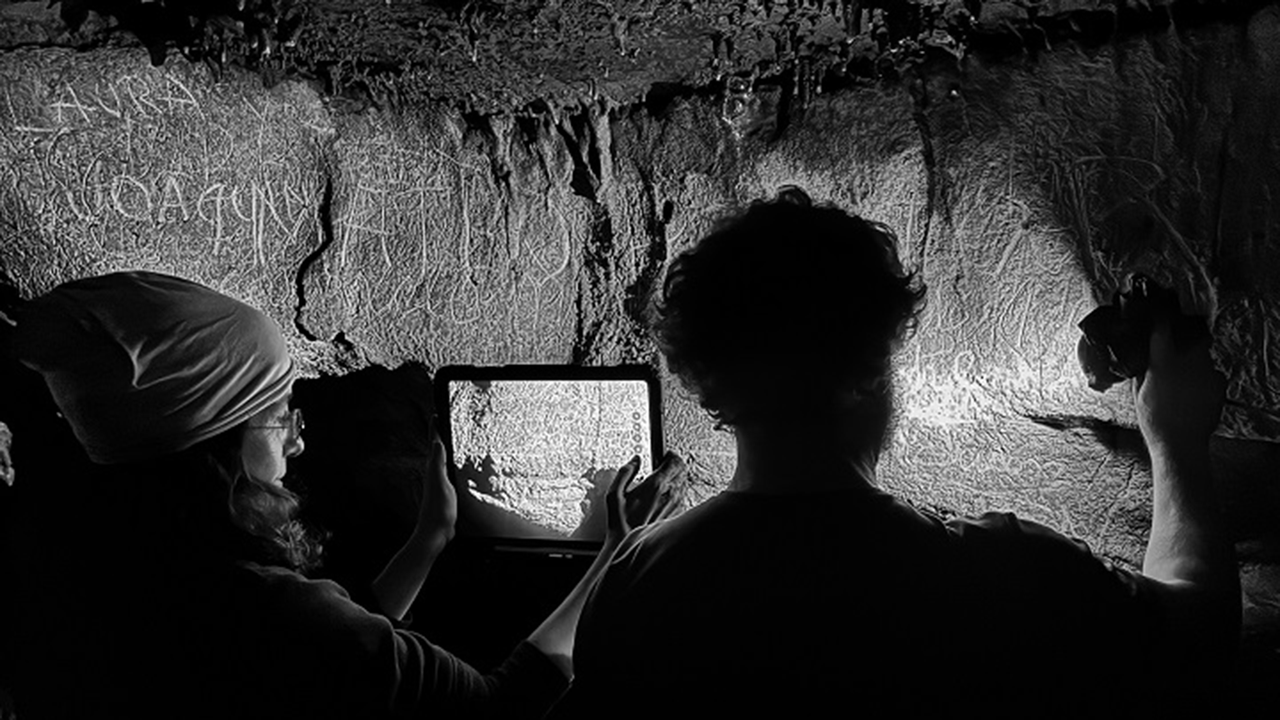
Archaeologists have discovered 120 Latin inscriptions in a cave sanctuary near Valencia, Spain, representing the largest concentration of such writings found anywhere in the Roman Empire. The inscriptions repeatedly invoke a mysterious female deity referred to simply as "the Lady," revealing details about religious practices in this remote location.
The cave sanctuary functioned as a sacred site where worshippers left dedications carved into stone. Many inscriptions mention the Lady alongside other gods and goddesses, suggesting she held particular importance to those who visited this refuge. Researchers are still working to definitively identify this figure, though she may represent a local goddess whose worship persisted even as Roman religion spread across the empire.
The sheer density of inscriptions at this single location offers unprecedented insight into popular religious devotion during the Roman period. Most Roman inscriptions appear scattered across different sites, making this cave collection exceptionally rare. The texts document prayers, thanks offerings, and personal pleas from individuals seeking divine intervention.
The cave's remote position in the Spanish landscape suggests it served as a pilgrimage destination for centuries. Visitors traveled to this sanctuary specifically to commune with the Lady and leave permanent records of their visits and requests. The dating of the inscriptions spans several centuries, indicating continuous religious activity at the site.
The discovery complicates the standard narrative of religious homogeneity under Roman rule. While Rome imposed its state religion across conquered territories, local populations maintained parallel devotional practices centered on indigenous or syncretic deities. The Lady may represent a pre-Roman goddess whose worship adapted to coexist with Roman religious structures rather than disappearing entirely.
The research team continues analyzing the inscriptions to extract names, dates, and specific requests mentioned in the texts. This work promises to reveal more about the demographics and concerns of those who sought the Lady's favor. The cave sanctuary stands as tangible evidence that religious life in the Roman Empire remained far more diverse and locally rooted