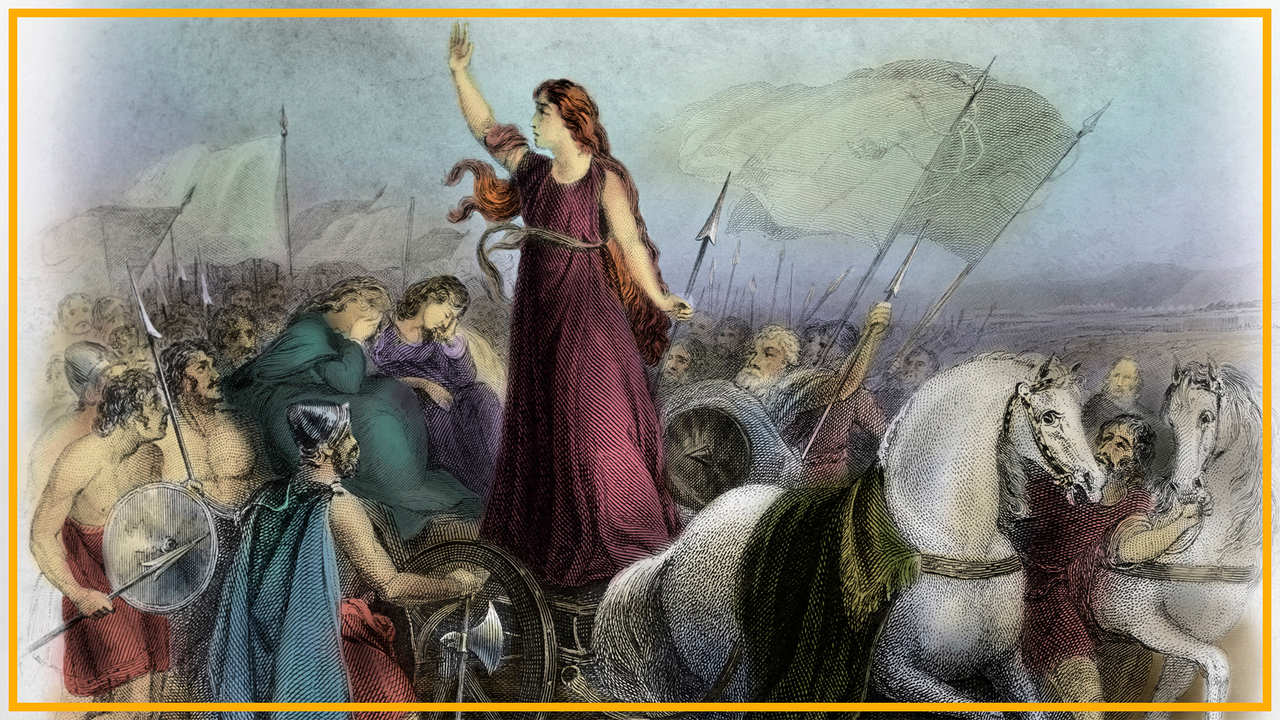
Archaeologists have long dismissed prehistoric women as powerless figures confined to domestic roles, but emerging genetic evidence now challenges this entrenched assumption. Dr. Rachel Pope, a researcher examining this historical bias, argues that 150 years of male-dominated archaeological interpretation has obscured the true status of women in ancient societies.
The shift comes as DNA analysis reveals patterns that contradict traditional narratives. Genetic studies can now track female lineages, inheritance patterns, and burial practices that indicate women held authority and resources. These findings suggest that many prehistoric societies operated quite differently from what archaeologists previously concluded based on skeletal remains and artifact distribution alone.
Pope's work highlights a critical methodological problem in archaeology. Researchers historically interpreted female skeletons buried with valuable objects, weapons, or in prominent locations as exceptions rather than evidence of genuine power structures. They assumed burial goods reflected a dead person's status, yet applied this logic selectively, dismissing female burials as anomalies while accepting male burials as evidence of social hierarchy.
Genetic data provides objective evidence independent of interpretive bias. DNA sequences can establish kinship networks, reveal migration patterns, and confirm whether societies traced descent through maternal or paternal lines. Several studies have documented prominent female figures whose genetic material and burial contexts suggest they wielded political or religious authority in their communities.
This reappraisal extends beyond individual cases. Research indicates that many Neolithic and Bronze Age societies granted women significant property rights, leadership roles, and spiritual influence. Some cultures appear to have been matrilineal or even matriarchal, with women controlling land and resources.
The archaeological community has begun acknowledging this interpretive failure. Textbooks now present more balanced discussions of gender roles in prehistory, though many museums still display exhibits reflecting older assumptions. The shift represents broader recognition that scientific methodology must account for observer bias, particularly when interpreting societies whose voices survive only through material remains.