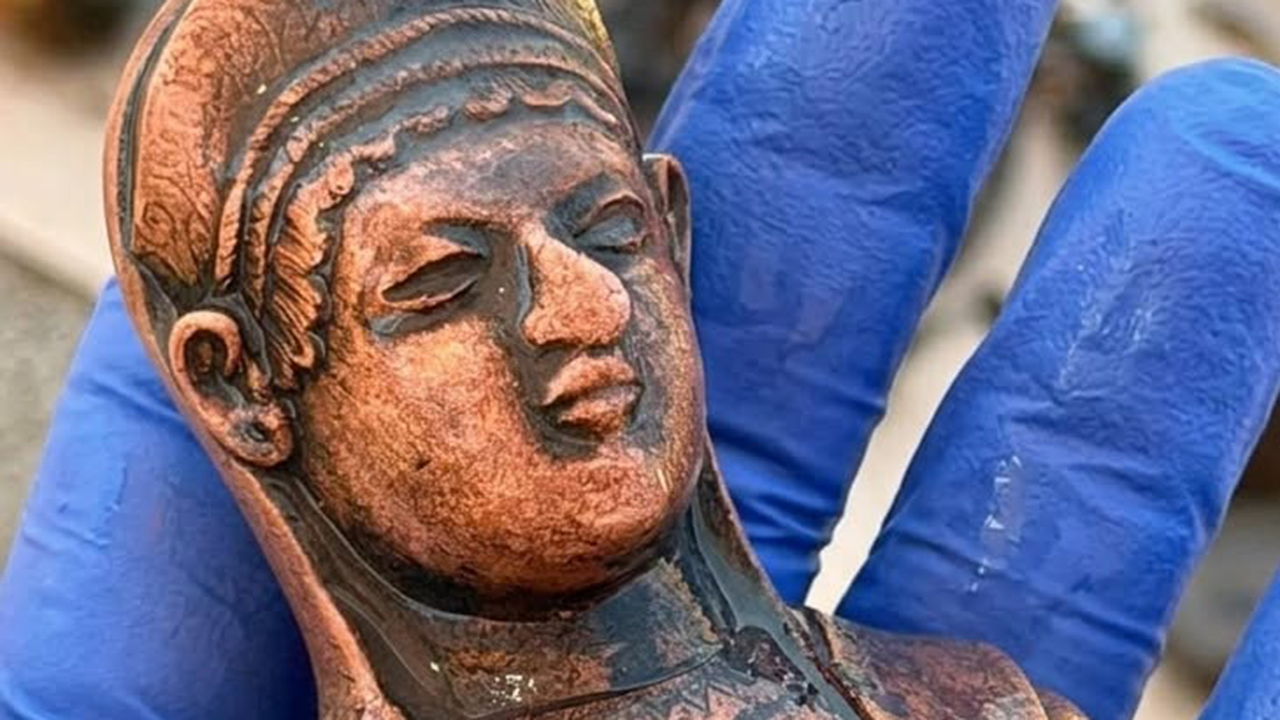
Archaeologists in Italy have uncovered an Etruscan well that served as a ritual site for religious offerings and burials spanning centuries. The discovery reveals how ancient Etruscan communities performed ceremonies honoring a goddess, depositing bronze artifacts and human remains as part of their spiritual practices.
The well was deliberately opened with ritual offerings, then systematically "closed" through the placement of human bodies. This pattern suggests the site held profound religious significance. The bronze artifacts recovered include vessels, weapons, and decorative objects that demonstrate the wealth and craftsmanship of the Etruscan civilization, which flourished in central Italy between the 8th and 1st centuries BCE.
The deposition of human remains within the well indicates the site served dual purposes: a functional water source and a sacred space for honoring the goddess. Researchers believe the burials were not accidental but intentional ritual acts performed over an extended period. The layering of offerings and bodies provides archaeologists with a temporal sequence of activities, helping them understand evolving religious practices across generations.
This discovery contributes to growing knowledge about Etruscan religious rituals and their connection to water sources. Archaeological evidence increasingly shows that Etruscans frequently designated wells, springs, and other water features as sacred sites. The artifacts' preservation in the well's anaerobic environment offers rare insight into material culture and spiritual beliefs of this pre-Roman civilization.
The find highlights how excavations in Italy continue revealing details about Etruscan society, complementing existing knowledge from tombs and temples. Understanding ritual practices at wells enriches comprehension of how daily life and religious devotion intertwined in ancient Etruscan communities. The bronze offerings suggest ceremonies performed by people of considerable status, potentially priests or aristocratic families responsible for maintaining the goddess's favor.