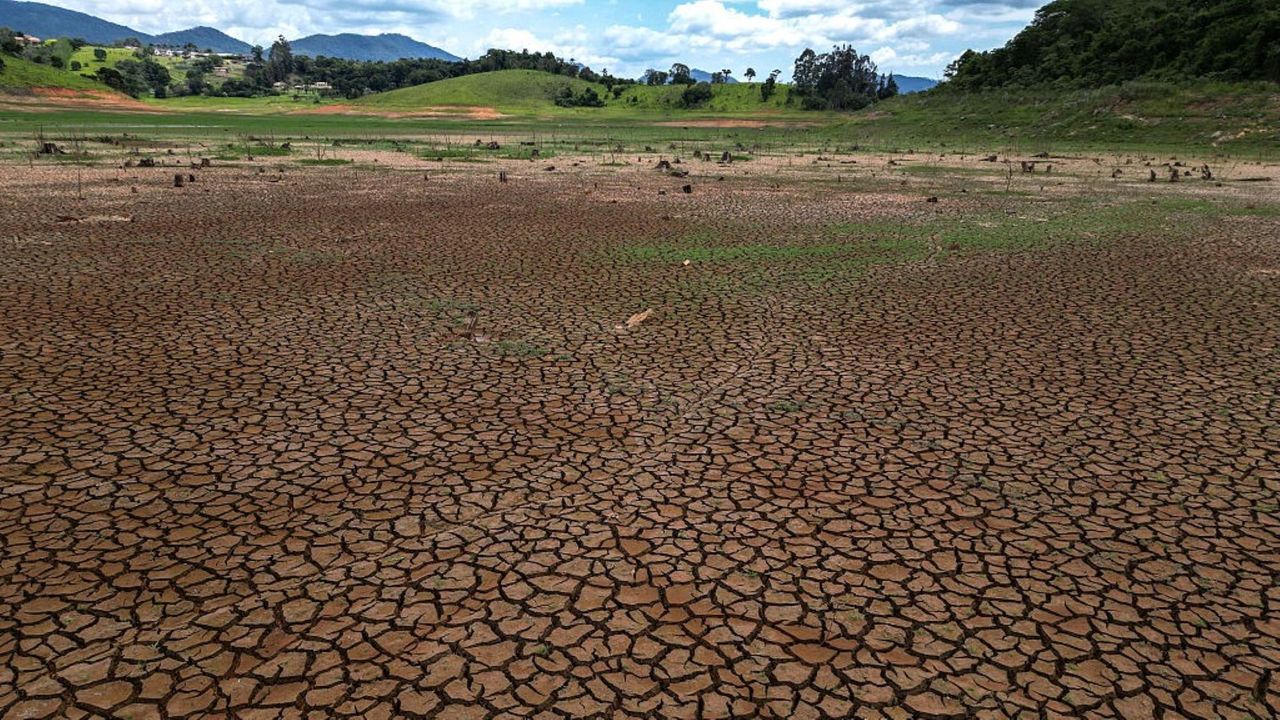
Brazil's major aquifers are depleting faster than they recharge, threatening the nation's water supply and global food security, according to new research on the country's subsurface water systems.
Scientists studying aquifers beneath Brazil's agricultural heartland found that extraction rates far exceed natural replenishment. The research reveals that some of the world's largest freshwater reserves, including portions of the Guarani Aquifer System, are not being restored at sustainable levels. This depletion carries consequences beyond Brazil's borders, since the country supplies roughly one-third of global soy exports and substantial quantities of sugar, coffee, and beef.
The Guarani Aquifer System spans roughly 840,000 square miles across Brazil, Argentina, Paraguay, and Uruguay. It supplies drinking water to roughly 100 million people. Agricultural irrigation accounts for the bulk of extraction, particularly in Brazil's central-west region where intensive farming dominates the landscape.
Researchers analyzing groundwater data found that current withdrawal rates in key areas exceed natural replenishment by significant margins. Climate patterns, including extended droughts linked to shifting precipitation and rising temperatures, have worsened the imbalance. Brazil experienced severe drought conditions in recent years that stressed both surface water and groundwater systems.
The ripple effects extend globally. Brazil's agricultural sector depends heavily on irrigation from these aquifers. If water becomes scarce, production of soy, sugarcane, and other commodities will decline, pushing up global food and biofuel prices. Countries relying on Brazilian agricultural imports face potential supply disruptions.
Water managers and policymakers in Brazil face difficult choices. Shifting irrigation practices, investing in water-efficient technologies, and potentially reducing cultivated acreage in water-stressed regions could slow depletion. However, such measures conflict with economic pressures to maximize production.
The situation reflects a broader global pattern. Aquifers