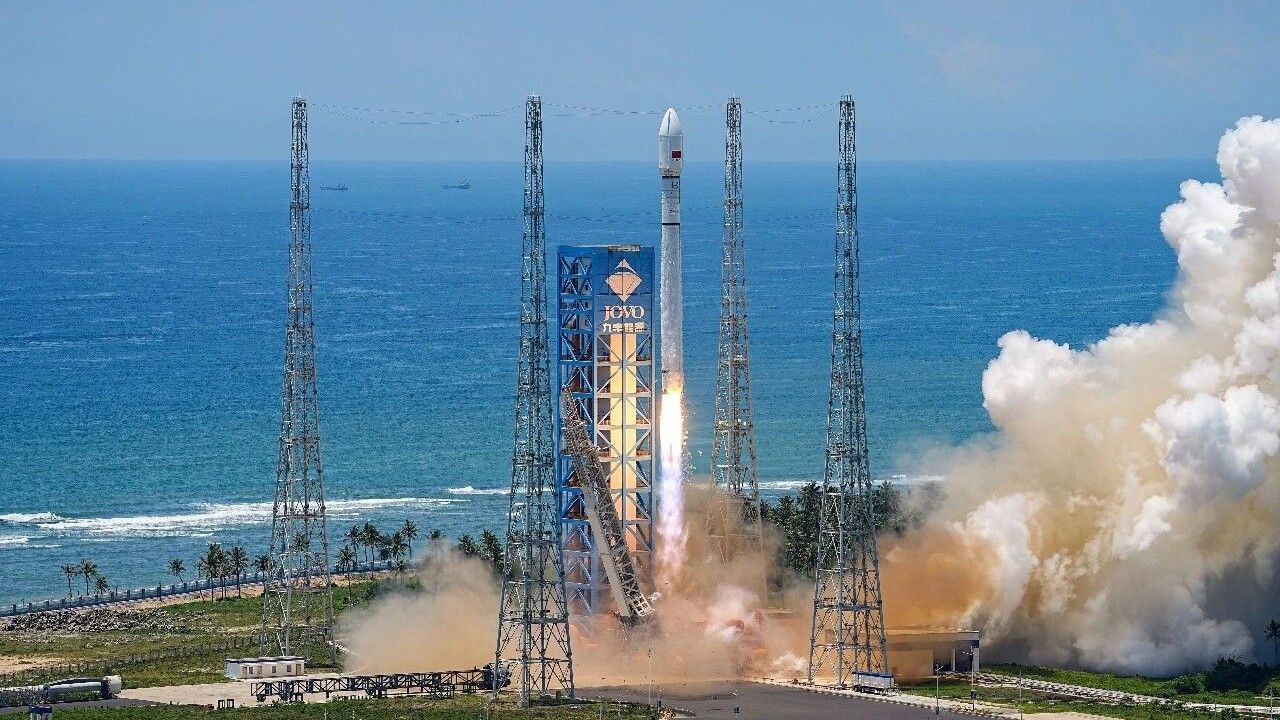
China's space program resumed operations after a setback in mid-August, conducting two back-to-back rocket launches within a week of an explosion. The launches occurred on August 16, just six days after a Long March 7A rocket failed during flight on August 10.
The Chinese space agency deployed a Long March 12 rocket and a Long March 2C rocket on August 16. The rapid return to flight demonstrates China's capacity to recover quickly from launch failures and maintain its aggressive launch schedule.
The August 10 incident involved the Long March 7A, a medium-lift launcher primarily designed for cargo missions. Details on the cause of the explosion remain limited, but Chinese authorities typically investigate such failures thoroughly before resuming operations. The quick turnaround suggests either that the failure was isolated to a specific vehicle rather than a systemic issue, or that engineers identified the problem rapidly enough to clear other rockets for flight.
China maintains one of the world's most active space launch schedules. The Long March family comprises numerous variants, each serving different payload capacities. The Long March 2C is an older, proven design used primarily for Earth observation and scientific missions. The Long March 12, a newer addition to the fleet, serves as a medium-lift option for various payloads.
The August 16 launches carried unspecified payloads, though China frequently uses such missions for satellite deployments, space station resupply, and lunar or deep-space exploration objectives. The space program supports both civilian scientific goals and military reconnaissance requirements.
This recovery underscores China's substantial launch infrastructure and personnel capability. The nation operates multiple launch facilities across diverse geographic locations, allowing operational flexibility when individual sites experience problems. However, launch failures remain relatively rare events in any mature space program, and investigations into root causes typically extend beyond initial flight resumption.
The frequency and speed of Chinese launches continue to position the nation as