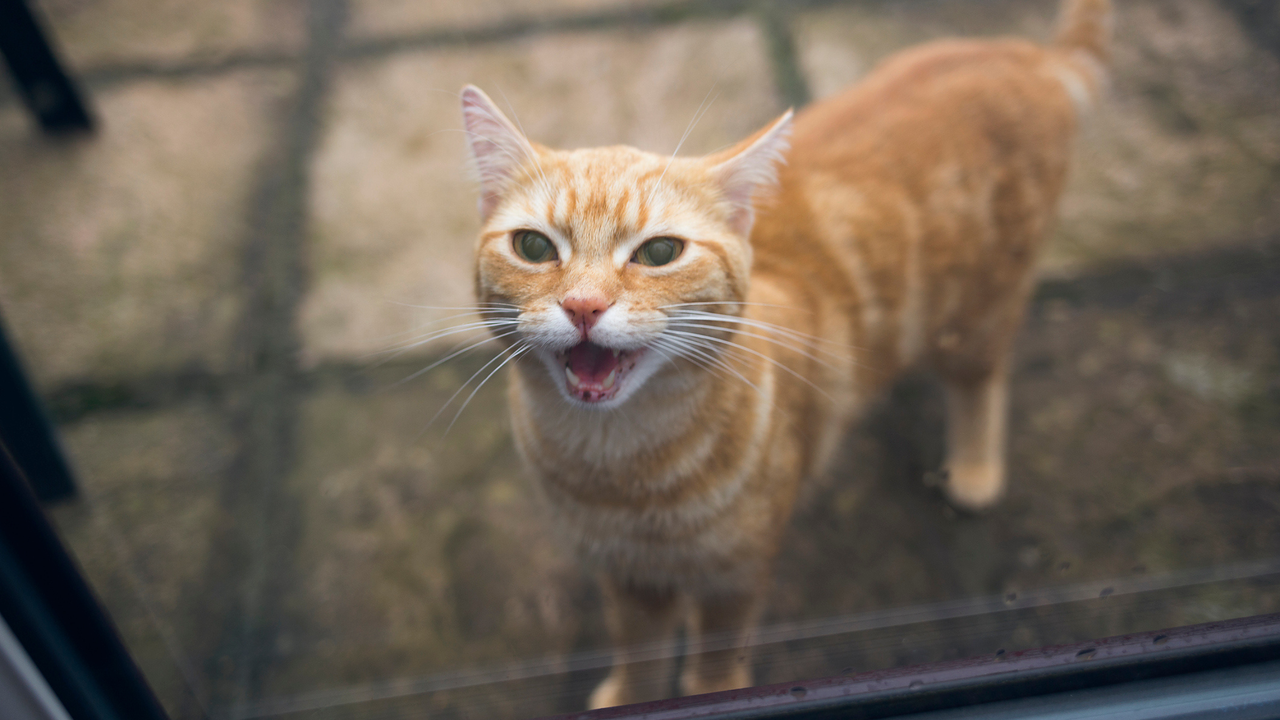
Cats produce yowls for several distinct reasons, each tied to specific behavioral and emotional states rather than random vocalization.
The most common cause of yowling in cats is the mating season. Unneutered or unspayed cats emit loud, distinctive yowls to signal reproductive availability to potential mates. Veterinarians recommend spaying and neutering to eliminate this behavior, which can persist for weeks during breeding cycles.
Cats also yowl when distressed or in pain. An injured cat may vocalize loudly to communicate discomfort. Similarly, cats experiencing medical issues like hyperthyroidism or cognitive dysfunction in older age frequently yowl more than younger, healthier cats. Any sudden increase in yowling warrants a veterinary evaluation to rule out underlying health problems.
Territorial behavior drives yowling as well. Male cats especially use extended vocalizations to establish and defend territory, particularly when encountering unfamiliar cats. This behavior can intensify during nighttime hours when territorial disputes become more likely.
Some cats yowl simply to seek attention from their owners. Cats learn that yowling produces a response, whether positive or negative, and repeat the behavior to get what they want. Owners who reinforce this by responding increase the frequency of yowling episodes.
Environmental stressors trigger yowling in sensitive cats. Changes in household routine, new pets, moving to a new home, or even loud noises can provoke extended vocalizations as cats express anxiety or confusion.
Understanding the context surrounding yowling helps owners identify the underlying cause. The time of day, the cat's age and sex, recent life changes, and the cat's overall health all provide clues. Consulting a veterinarian remains essential when yowling appears suddenly or increases in frequency, as this often indicates medical problems requiring treatment. Once underlying health issues are excluded, behavioral