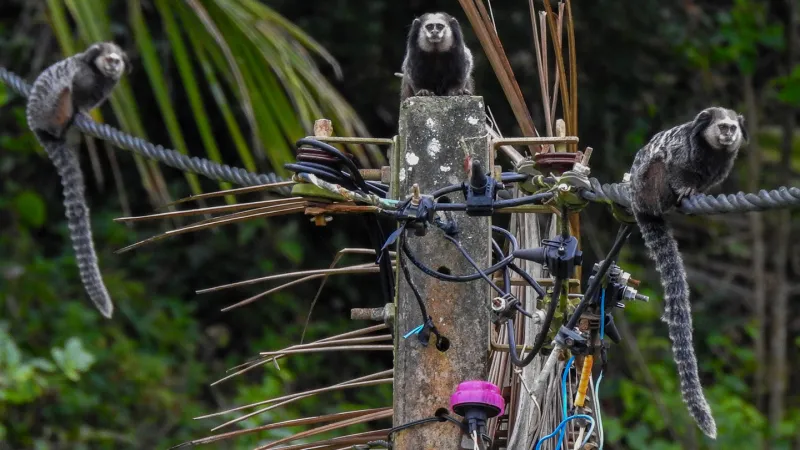
Researchers investigating Brazil's recent yellow fever resurgence have identified an unexpected link to drought conditions that pushed wildlife into urban areas. The outbreak, which represents Brazil's first significant yellow fever epidemic in decades, appears connected to ecological disruption caused by water scarcity.
During periods of severe drought, animals dependent on forest water sources migrated toward urban and periurban areas seeking moisture. This movement brought infected wildlife, particularly monkeys that serve as yellow fever reservoirs, into closer contact with human populations. Mosquitoes that transmit the virus between animals and humans then encountered both species in these concentrated settings, creating conditions for spillover infection.
The research highlights how environmental stress acts as a bridge between animal diseases and human epidemics. Yellow fever, caused by a flavivirus, circulates naturally in forest monkey populations across Central and South America. Humans become infected when mosquitoes feed on infected animals then bite people. In Brazil, where vaccination campaigns had reduced human cases dramatically, the disease had remained confined to remote forest regions for years.
The drought-driven convergence of wildlife and humans disrupted that pattern. By forcing animals out of their typical habitat in search of water, the drought created novel contact points where disease transmission became feasible at scale. This mechanism demonstrates how climate-related stressors can trigger zoonotic disease emergence independent of pathogen evolution or mosquito adaptation.
The finding carries implications for predicting future outbreaks. As climate change intensifies drought frequency and severity across tropical regions, researchers expect similar patterns of disease spillover. Wildlife responses to environmental stress become epidemiological risk factors. Communities in endemic regions may face mounting yellow fever cases unless drought-resilient water infrastructure reduces pressure on animal populations to migrate cityward.
Yellow fever vaccination remains the primary defense. Brazil's public health response expanded immunization campaigns following the outbreak, preventing wider transmission. The research underscores why maintaining robust vaccination programs and monitoring wildlife movement