Archaeologists have identified the weapon that killed medieval soldiers at a 14th-century Swedish battlefield by analyzing distinctive square-shaped holes in their skulls. The marks, found on multiple remains, were made by a spiked club wielded with devastating force during combat.
Researchers examined skeletal evidence from the Battle of Visby, fought in 1361 on the Swedish island of Gotland. The battle killed hundreds and left behind burial sites containing the physical trauma of medieval warfare. The square holes and surrounding fracture patterns on the skulls point to a specific type of weapon: a club topped with four or more protruding metal spikes arranged in a pattern.
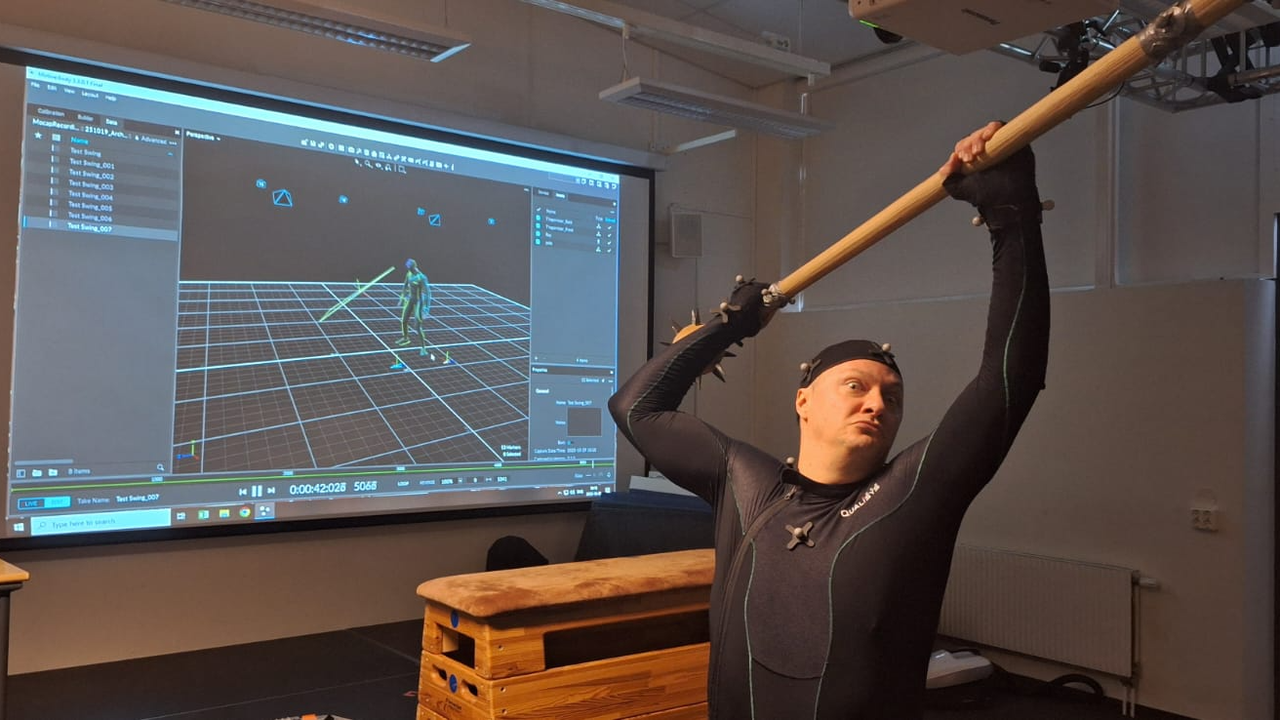
The analysis reveals how the weapon operated. When swung with force, the spikes punched into bone cleanly, leaving the characteristic square or rectangular impressions. The angle and depth of these wounds indicate the blows came with considerable velocity, reflecting what researchers describe as aggressive close-quarters combat.
This finding provides direct archaeological evidence of how medieval soldiers actually fought and died. The weapon, sometimes called a morning star or flanged mace, was common in 14th-century warfare but rarely leaves such clear forensic markers. Most blunt force trauma to bone creates irregular fractures difficult to match to specific tools.
The square-hole pattern proved distinctive enough to rule out other medieval weapons. Swords would leave cut marks, not punched holes. Axes create different fracture signatures. The precision of the injuries allowed researchers to reconstruct not just the weapon used but the force and intent behind each blow.
The Visby burials represent one of Europe's best-preserved collections of medieval battle casualties. The remains offer rare insight into the brutality of 14th-century combat and the weapons that defined it. Researchers can now identify similar injuries at other sites, potentially revealing patterns in medieval warfare tactics and weapon use across regions and time periods.