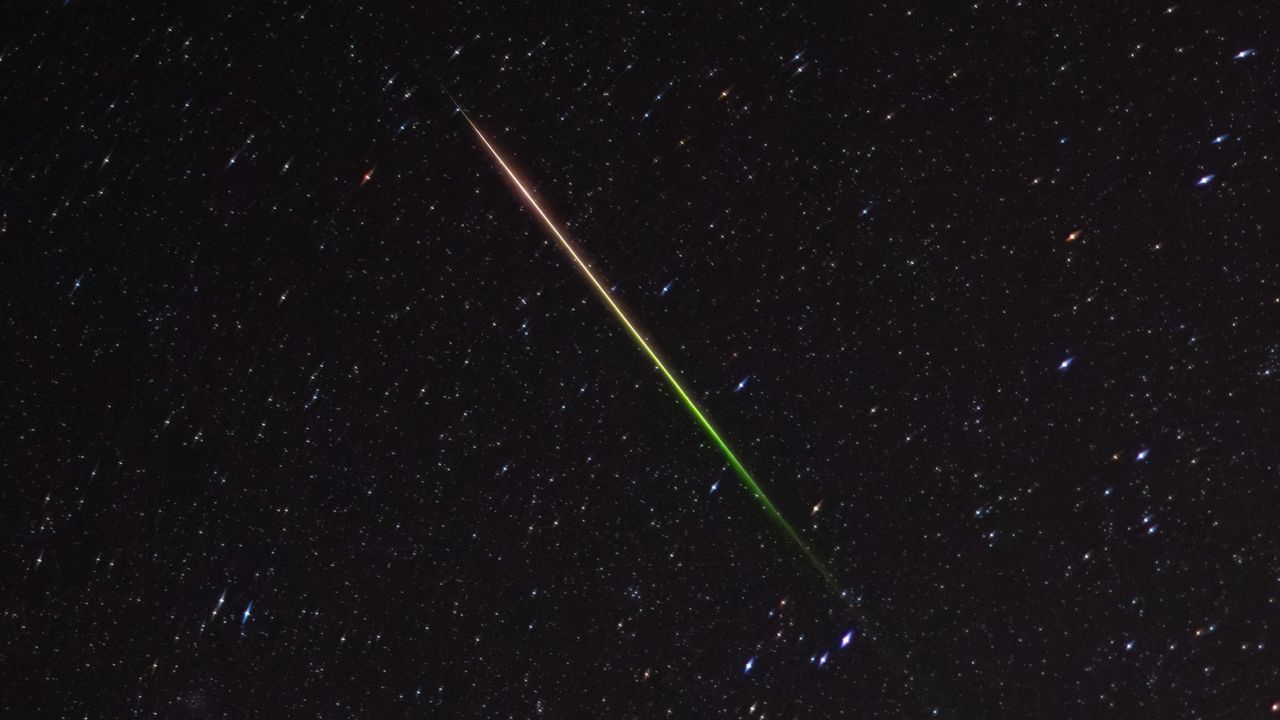
The Perseid meteor shower delivered striking displays across the night sky this week, with photographers capturing brilliant streaks of light that showcased one of the year's most reliable celestial events. The annual shower, which occurs when Earth passes through debris left by Comet Swift-Tuttle, peaked with dozens of meteors visible per hour under dark skies.
The Perseid shower runs from late July through mid-August each year, but the peak typically brings the most dramatic activity. This year's display produced the characteristic fast, bright meteors that make the Perseids a favorite among astronomy enthusiasts and casual skywatchers alike. Observers across the Northern Hemisphere reported excellent viewing conditions during the peak nights, with clear skies in many regions allowing photographers to document the event.
Amateur and professional astronomers submitted striking images showing meteors streaking across the sky, often captured above distinctive landscape features or alongside planets and stars. Some photos documented multiple meteors in single exposures, while others highlighted the Perseid radiant point in the Perseus constellation where the meteors appear to originate.
The Perseids' reliability stems from the predictable path of comet debris, which Earth encounters at the same time each year. Unlike some meteor showers that produce variable displays, the Perseids consistently deliver 50 to 100 meteors per hour at peak activity under ideal viewing conditions. This year's show continued the tradition of spectacular photographic opportunities.
Viewing meteor showers requires minimal equipment. Dark locations away from light pollution produce the best results, and photographers typically use wide-angle lenses with fast apertures to capture large portions of the sky. The best viewing occurs after midnight when the radiant point climbs higher in the sky.
The Perseid meteor shower remains one of the most accessible and visually rewarding astronomical events, requiring only clear skies and patience. Next year's peak is