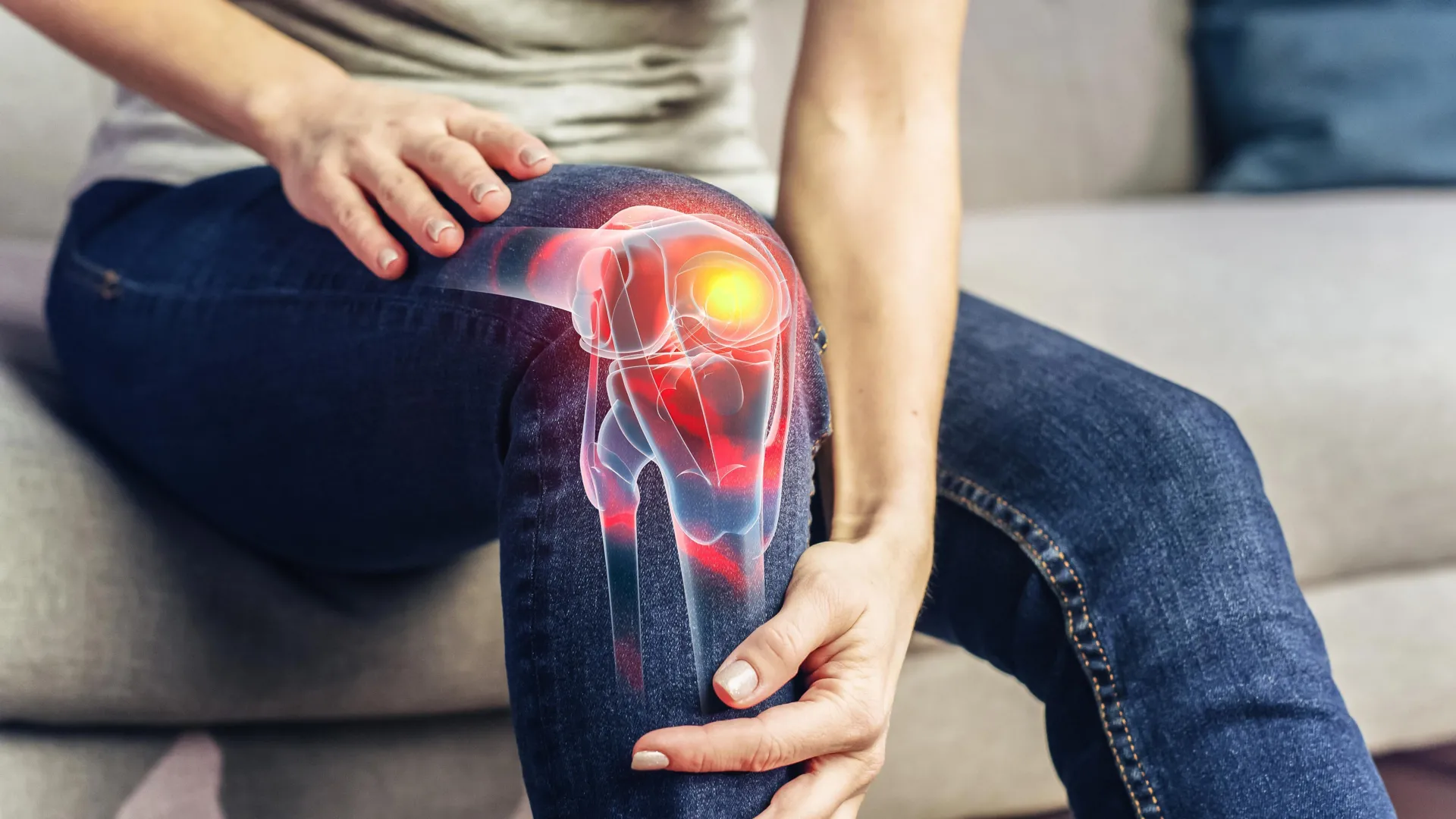
People often assume that painful aging joints require rest, but inactivity worsens the very problem they're trying to solve. Movement actually nourishes cartilage and strengthens the muscles surrounding joints, both essential for managing osteoarthritis pain as we age.
Cartilage and synovial fluid naturally deteriorate over time, reducing the cushioning that protects joints. However, exercise counteracts this decline by stimulating cartilage metabolism and maintaining muscle strength. Stronger muscles absorb impact forces that would otherwise stress damaged joints directly, reducing pain and slowing further degeneration.
Low-impact activities prove most effective for aging joints. Swimming eliminates gravitational stress while providing resistance. Cycling offers controlled motion without impact. Tai chi and yoga combine gentle movement with balance training. Walking on varied terrain engages stabilizing muscles while remaining accessible. Research shows these activities reduce osteoarthritis pain while improving mobility and balance, lowering fall risk in older adults.
The dose matters less than consistency. Even brief sessions of appropriate movement produce measurable benefits. A person might start with ten minutes of walking or swimming several times weekly, then gradually increase duration and intensity as tolerance improves. The key lies in choosing activities that don't provoke sharp pain while still challenging muscles and joints.
This approach contradicts the common instinct to immobilize sore joints. While acute injuries sometimes require brief rest, chronic joint pain from aging calls for the opposite strategy. Avoiding movement allows muscles to weaken and cartilage to deteriorate faster, creating a cycle of increasing stiffness and pain. Regular, mindful exercise breaks this cycle.
Healthcare providers increasingly recommend tailored exercise programs for osteoarthritis patients rather than pain medications alone. Physical therapists can design routines matching individual capabilities and joint damage. Starting gradually prevents injury while allowing the body to adapt, and many people report reduced pain after several weeks of consistent activity.