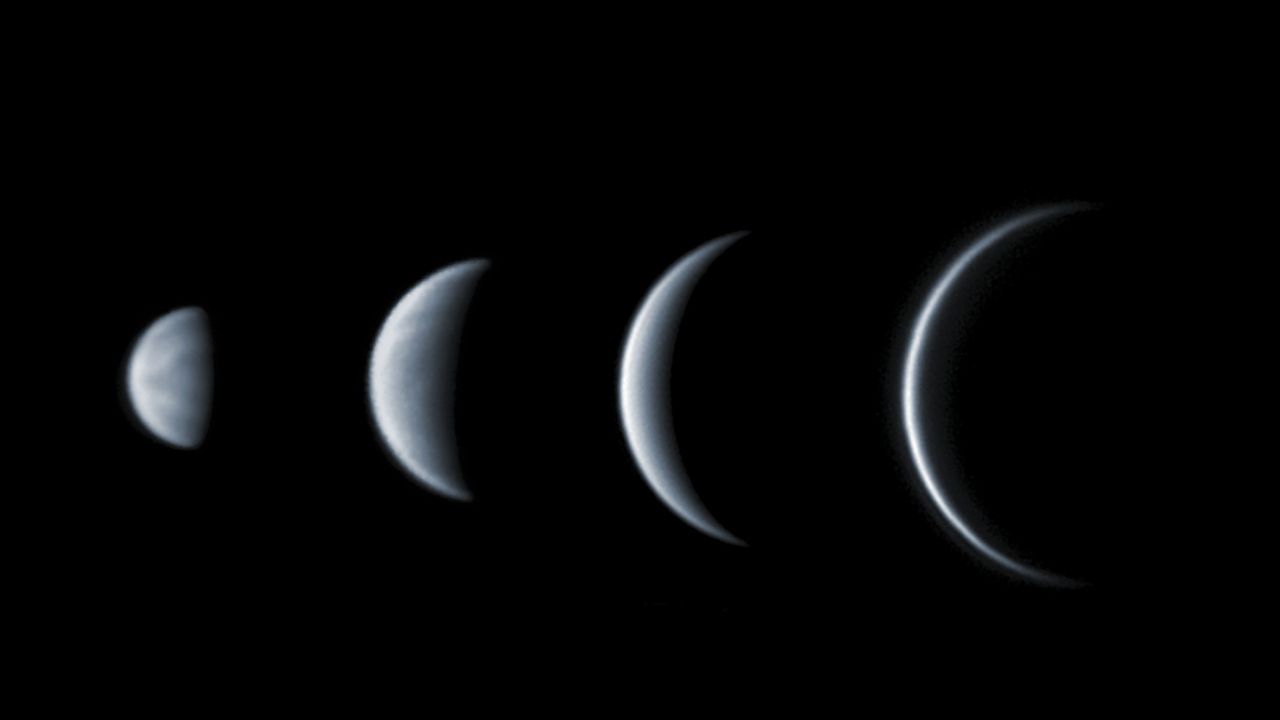
Venus reaches peak brightness this month, and astronomers say you can observe an optical phenomenon so counterintuitive it strains credulity. The planet can cast a shadow.
This effect occurs when Venus approaches its greatest brilliance in the evening or morning sky. The planet becomes bright enough that light reflecting from it illuminates objects on Earth with sufficient intensity to create a visible shadow. The phenomenon requires specific conditions. Venus must be high in the sky, the ambient light relatively low (typically during twilight), and the observer's eyes adjusted to darkness.
To attempt this observation yourself, wait until dusk or dawn when Venus shines at maximum brightness. Allow your eyes 10 to 15 minutes to adjust to low light. Look for an object that casts a shadow, such as a stick or your own body. The shadow from Venus appears faint and typically requires a dark surface to see it clearly. Some observers report the effect works best when measuring shadow length rather than focusing on shadow darkness.
The physics behind this claim rests on Venus's extreme reflectivity. The planet's thick atmosphere of sulfuric acid clouds reflects roughly 70 percent of incoming sunlight. Combined with Venus's proximity to Earth at certain orbital points, this reflectivity generates measurable illumination.
This observation sits at the intersection of amateur astronomy and optical physics. Historical astronomers documented the phenomenon centuries ago, though modern reports remain anecdotal. The effect ranks among astronomy's more elusive demonstrations, partly because it depends on observer experience, lighting conditions, and patience.
Attempting this observation offers a hands-on lesson in planetary brightness and atmospheric reflection. Whether you succeed or not, the exercise illustrates why Venus qualifies as the brightest planet visible from Earth and why ancient cultures assigned it such prominence in their cosmologies.