# Gut Microbes Shift to Self-Destructive Diet When Fiber Runs Short
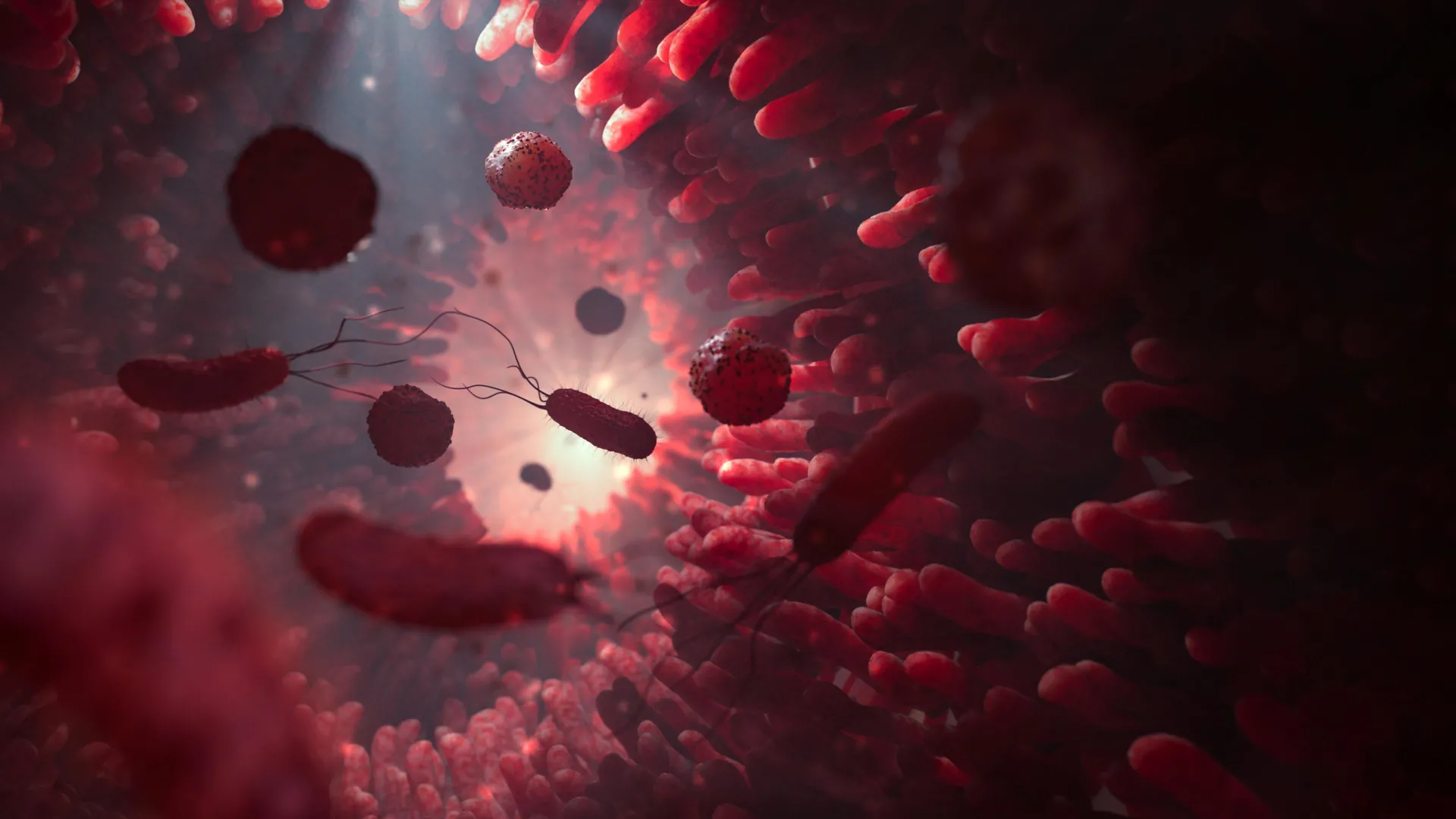
Your gut bacteria are picky eaters with a dangerous fallback plan. When dietary fiber becomes scarce, these microbes switch their menu to the protective mucus lining of your intestines, essentially turning your own gut barrier into a food source. New research reveals how this bacterial cannibalism happens and identifies compounds that can prevent it.
The study examined the behavior of gut microbiota when faced with fiber depletion. Researchers observed that bacteria dependent on plant material for energy begin degrading the mucin proteins that form the intestinal mucus layer. This mucus acts as a crucial buffer between the microbial community and your gut wall, protecting against inflammation and infection. When microbes consume it, this protective barrier weakens.
Scientists identified the mechanism behind this shift. Bacteria possess enzymes specifically designed to break down complex plant fibers. When that preferred food source vanishes, these same enzymatic systems can be repurposed to attack mucin. The process resembles a factory worker switching assembly lines when their primary production halts.
The research tested potential interventions to block this bacterial cannibalism. Dietary fiber proved effective at suppressing mucin degradation by providing microbes with their preferred food source. More intriguingly, indigestible plant proteins demonstrated a dual benefit. These compounds not only redirected bacterial metabolism away from mucin but also stimulated microbes to produce short-chain fatty acids. These fatty acids, particularly butyrate, provide significant health benefits including reduced inflammation and improved gut barrier integrity.
This work connects to a growing body of evidence linking low-fiber diets to intestinal problems. Modern Western diets typically contain far less fiber than our ancestors consumed, with most Americans eating roughly half the recommended daily intake. The consequences extend beyond simple bacterial starvation. Degraded mucus layers leave intestinal walls vulnerable to pathogenic bacteria and inflammatory responses, potentially contributing to conditions like inflammatory bowel disease and metabolic disorders.
The distinction between different types of plant proteins matters here. Indigestible plant proteins, which humans cannot break down in the small intestine, reach the colon intact. There, they serve as substrates for fermentation by beneficial bacteria, promoting production of protective metabolites. This differs from easily digestible proteins that get absorbed earlier in the digestive process.
The findings suggest that simply increasing fiber intake addresses only part of the problem. The composition and type of plant material consumed influences bacterial behavior. Whole foods containing multiple forms of plant carbohydrates and proteins better support healthy microbial communities than processed alternatives. Legumes, whole grains, vegetables, and fruits provide the diverse plant compounds that keep bacterial metabolism focused on producing beneficial compounds rather than attacking your own tissues.
Future clinical applications could include dietary interventions targeting specific populations with compromised gut health. Patients recovering from gastrointestinal infections or those with inflammatory bowel disease might benefit from carefully designed plant-based diets containing optimal ratios of fiber and indigestible proteins. The research also opens avenues for probiotic development, potentially engineering bacteria with reduced capacity for mucin degradation or enhanced ability to produce butyrate.
This research emphasizes that gut health involves more than simply adding probiotics. The fundamental nutritional environment shapes bacterial behavior. Feed your microbes appropriately, and they maintain your intestinal barrier. Starve them of plant material, and they turn against the very tissues that house them.