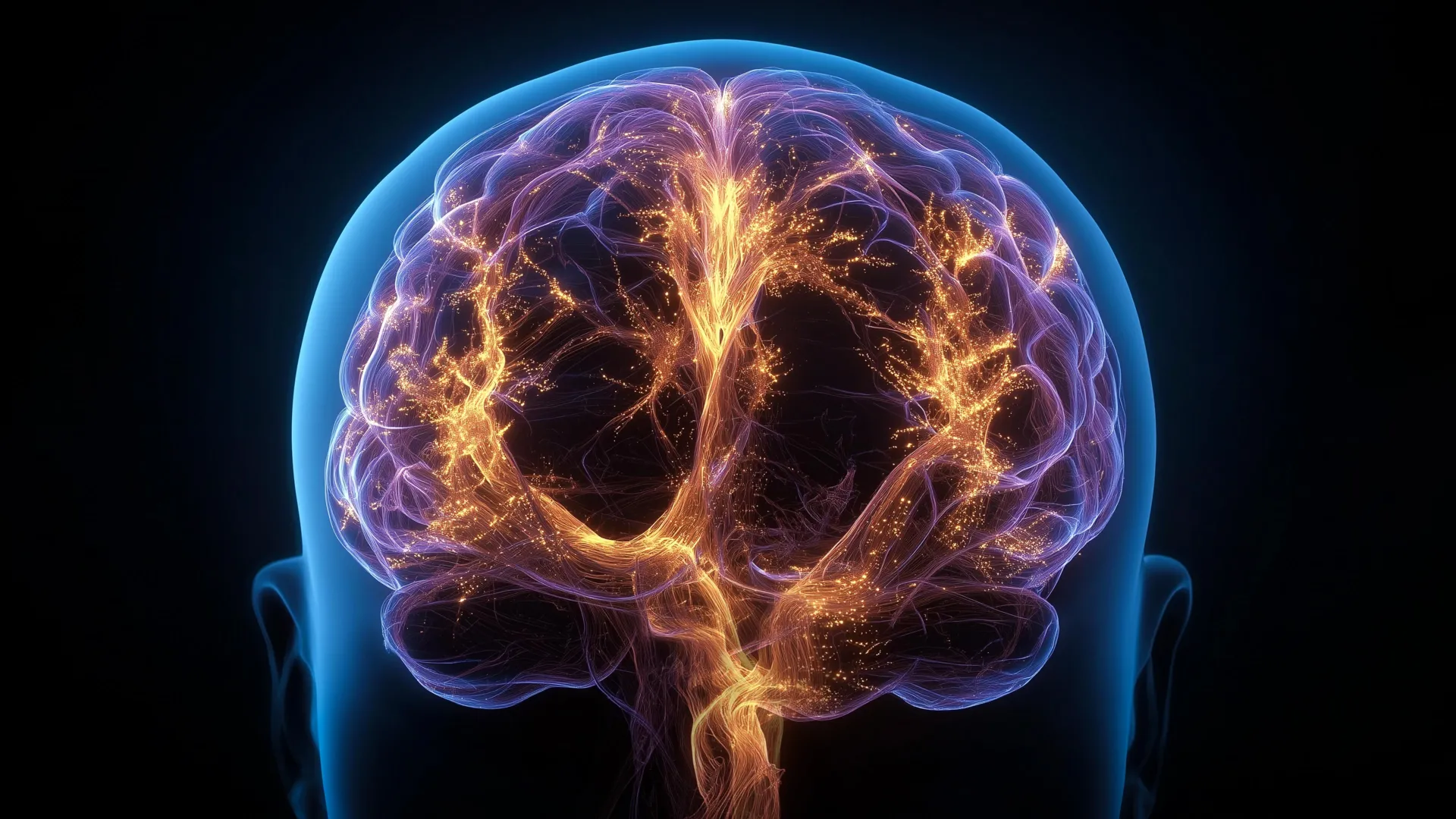
# Exercise Activates Brain's Waste-Removal System, Study Suggests
Regular exercise triggers multiple biological pathways that help the brain eliminate toxic waste accumulation, according to recent research on the brain's glymphatic system. Scientists discovered that physical activity strengthens several interconnected processes responsible for clearing harmful proteins that accumulate during aging and can contribute to neurodegenerative diseases.
The glymphatic system functions as the brain's sanitation network, flushing out metabolic byproducts and misfolded proteins like amyloid-beta and tau, which accumulate in Alzheimer's disease. This cleanup mechanism operates primarily during sleep when neurons shrink, allowing interstitial fluid to flow through brain tissue more efficiently. With aging, this system becomes progressively less effective, potentially explaining why cognitive decline accelerates in older adults.
The research team identified three interconnected mechanisms through which exercise supports this cleanup function. Physical activity improves sleep quality and duration, directly enhancing the glymphatic system's nightly purging cycle. Exercise simultaneously reduces systemic inflammation, which otherwise impairs the brain's ability to clear waste products. Additionally, regular movement strengthens cerebral blood vessels and improves vascular function, facilitating better fluid circulation throughout brain tissue.
The findings emerge from integrative analysis of existing neuroscience literature rather than a single experimental study. Researchers examined peer-reviewed evidence demonstrating how exercise influences each component of glymphatic function. This systems-level approach reveals that physical activity does not target one isolated pathway but rather optimizes multiple interconnected processes that collectively enhance brain waste clearance.
The implications carry substantial weight for aging populations. Cognitive decline and dementia represent leading causes of disability and death in older adults. Current pharmacological interventions offer limited effectiveness in reversing neurodegeneration once symptoms appear. Exercise, by contrast, represents an accessible, low-cost intervention available to most people regardless of socioeconomic status. Unlike medications requiring prescription and monitoring, physical activity requires only motivation and opportunity.
However, important limitations constrain the research. The glymphatic system remains incompletely understood in living humans. Most supporting evidence derives from animal models, particularly rodent studies where researchers can directly measure fluid flow through brain tissue. Human neuroimaging cannot yet visualize glymphatic function with comparable resolution. This gap between animal models and human physiology means the magnitude of exercise's benefit in humans remains uncertain.
The recommended exercise dosage for optimal glymphatic enhancement has not been established. Current physical activity guidelines suggest 150 minutes of moderate-intensity aerobic exercise weekly for adults. Whether this standard prescription maximizes glymphatic function, or whether different durations and intensities produce varying effects, remains unknown. Individual variability in response to exercise also likely exists but has not been characterized.
Age-related differences in exercise benefits present another unanswered question. Does exercise support glymphatic function equally in young, middle-aged, and elderly individuals, or does the protective effect increase with age? Longitudinal studies tracking cognitive outcomes in exercising versus sedentary populations over decades would help resolve this question, but such research requires substantial time and resources.
The research nonetheless provides biological plausibility for why epidemiological studies consistently link exercise with better cognitive outcomes in aging. Regular physical activity emerges not as a vague wellness recommendation but as a specific intervention affecting molecular mechanisms underlying brain health.