# Dogs Recognize Human Emotions Through Brain Processing, Research Reveals
Dogs don't just respond to human emotions; they actively process different feelings in distinct ways, according to new neuroimaging research that examined canine brain activity in response to human facial expressions.
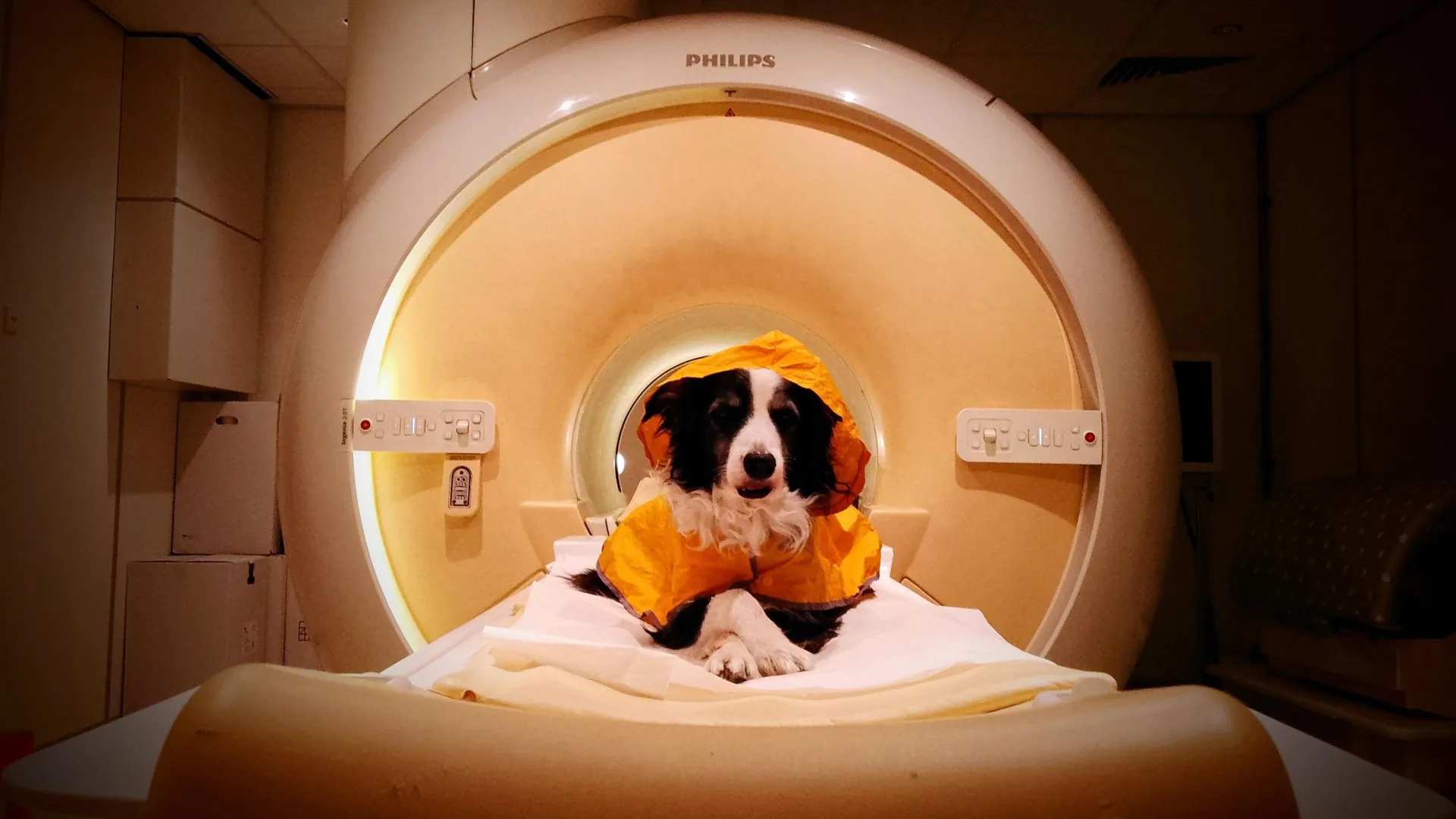
Scientists used functional magnetic resonance imaging (fMRI) scans to observe how dog brains react when shown images of happy, fearful, and sad human faces. The research found that joyful expressions activate specific brain regions associated with reward processing and higher-level emotional interpretation in dogs. This suggests dogs distinguish between emotional states and assign different values to them, rather than simply reacting reflexively.
The study illuminates how deeply embedded dogs' capacity for emotional recognition has become through thousands of years of domestication. Dogs didn't evolve alongside wolves to read human facial expressions; instead, selective breeding and close cohabitation with humans shaped their neurobiology to prioritize social communication with people.
Brain regions responsible for processing rewards and complex social information activated when dogs viewed happy human faces. In contrast, fearful and sad expressions produced different patterns of neural activation. The distinction indicates dogs categorize human emotions cognitively rather than respond to them as generic signals of danger or distress.
Previous research showed dogs could distinguish between happy and angry human expressions through behavioral tests, but this fMRI work reveals the neurological machinery underlying that ability. Dogs weren't simply recognizing facial muscle patterns; their brains were engaged in evaluating emotional content and assigning emotional weight to different expressions.
The findings carry practical implications for understanding dog behavior and training. A dog's ability to detect fear doesn't stem from mystical "sixth sense" but from refined sensory processing combined with neural circuits tuned toward human emotional states. This capacity helps explain why dogs often know when owners feel anxious or upset before those emotions fully surface.
Scientists did not publish comparative data examining whether dog brain responses to human emotions differed from their responses to other dogs' facial expressions or vocalizations. That omission leaves open whether dogs process human emotions through the same neural pathways as canine social signals or through dedicated human-specific processing systems.
The research also doesn't clarify whether dogs' recognition of human emotion stems from learning specific face-to-feeling associations or from more abstract emotional comprehension. A dog might learn that smiling humans typically provide food and affection, creating a conditioned response, distinct from genuine emotional understanding.
Individual variation among dogs likely affects their ability to read human emotions. Some breeds were selected for different behavioral traits; dogs bred for guarding work might process threatening expressions differently than retrievers selected for social responsiveness.
The work adds to growing evidence that domestication fundamentally rewired dog cognition toward human social interaction. Dogs occupy a unique niche among animals as creatures whose evolutionary success depended not on competing with humans but on collaborating with them. That partnership created selective pressure for dogs to understand human emotional states at increasingly sophisticated levels.