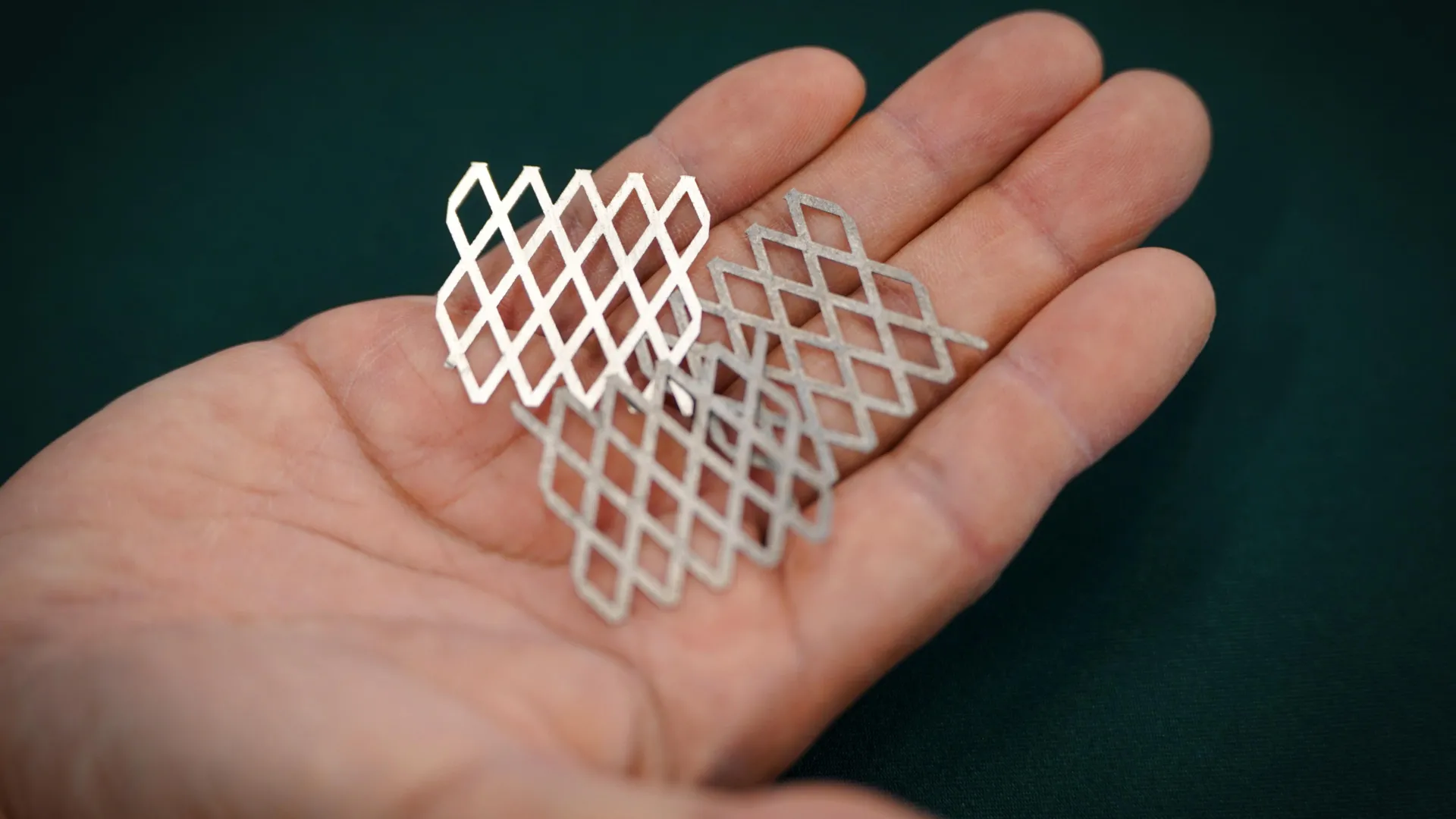
Researchers have engineered a novel stainless steel formulation with exceptional corrosion resistance that outperforms conventional materials in harsh marine environments. The discovery opens a direct pathway to replacing expensive titanium alloys in hydrogen production equipment, potentially transforming the economics of green hydrogen generation from seawater.
The new steel resists corrosion mechanisms that typically degrade standard stainless steel variants, particularly in saltwater electrochemical processes. This performance leap emerged from deliberate alloy composition modifications that scientists say cannot be easily explained by existing metallurgical theory, according to preliminary reports. The exact mechanism driving the enhanced durability remains under investigation, though researchers attribute it to optimized elemental interactions within the steel matrix.
Green hydrogen production relies on electrolysis to split water molecules using renewable electricity. Seawater offers an abundant feedstock compared to freshwater, but its high chloride content aggressively corrodes most metals. Current systems require titanium or specialized nickel-based superalloys to withstand these conditions. Titanium costs roughly 15 to 20 times more than conventional stainless steel, making seawater electrolyzers prohibitively expensive at scale.
The new steel's cost advantage translates to potential reductions of approximately 40 times in structural material expenses. This magnitude of savings addresses a major barrier to affordable green hydrogen. As nations pursue hydrogen economy transitions to decarbonize heavy industry and transportation, cost-competitive electrolyzer technology becomes essential for market viability.
The material likely contains carefully calibrated concentrations of chromium, nickel, molybdenum, and possibly lesser-known additives that work synergistically to create a protective surface oxide layer superior to conventional formulations. The corrosion resistance appears robust across diverse seawater compositions and electrochemical potentials relevant to industrial electrolysis conditions.
Industrial adoption timelines remain uncertain. Laboratory demonstrations must scale to pilot production and full-scale prototype validation before manufacturers integrate the material into commercial electrolyzer designs. Regulatory approval for new structural materials in hydrogen systems involves rigorous testing protocols, potentially requiring two to five years of development. Material availability and supply chain readiness for mass production also require assessment.
Competing approaches to seawater electrolysis exist, including polymer electrolyte membrane systems and alkaline water electrolyzers with coating technologies. However, none currently match the cost-performance profile this new steel appears to offer, particularly for applications requiring extended operational lifespans exceeding 10 years.
The discovery team has not yet publicly identified the precise alloy composition or published detailed peer-reviewed findings, suggesting ongoing patent prosecution and proprietary protection. Scientific journals likely will receive formal submissions once intellectual property positions solidify. Collaboration opportunities with electrolyzer manufacturers and hydrogen infrastructure developers appear imminent.
If manufacturing partnerships proceed successfully, this material could accelerate green hydrogen deployment timelines substantially. Reducing capital equipment costs removes a primary obstacle preventing hydrogen production from competing economically with fossil fuels and steam methane reforming in industrial applications. Coastal regions with strong seawater resources and renewable electricity access could establish localized hydrogen production hubs with dramatically improved financial viability.