# Ancient Vietnamese Skeletons Reveal Pre-Columbian Disease Transmission That Challenges Syphilis Origin Story
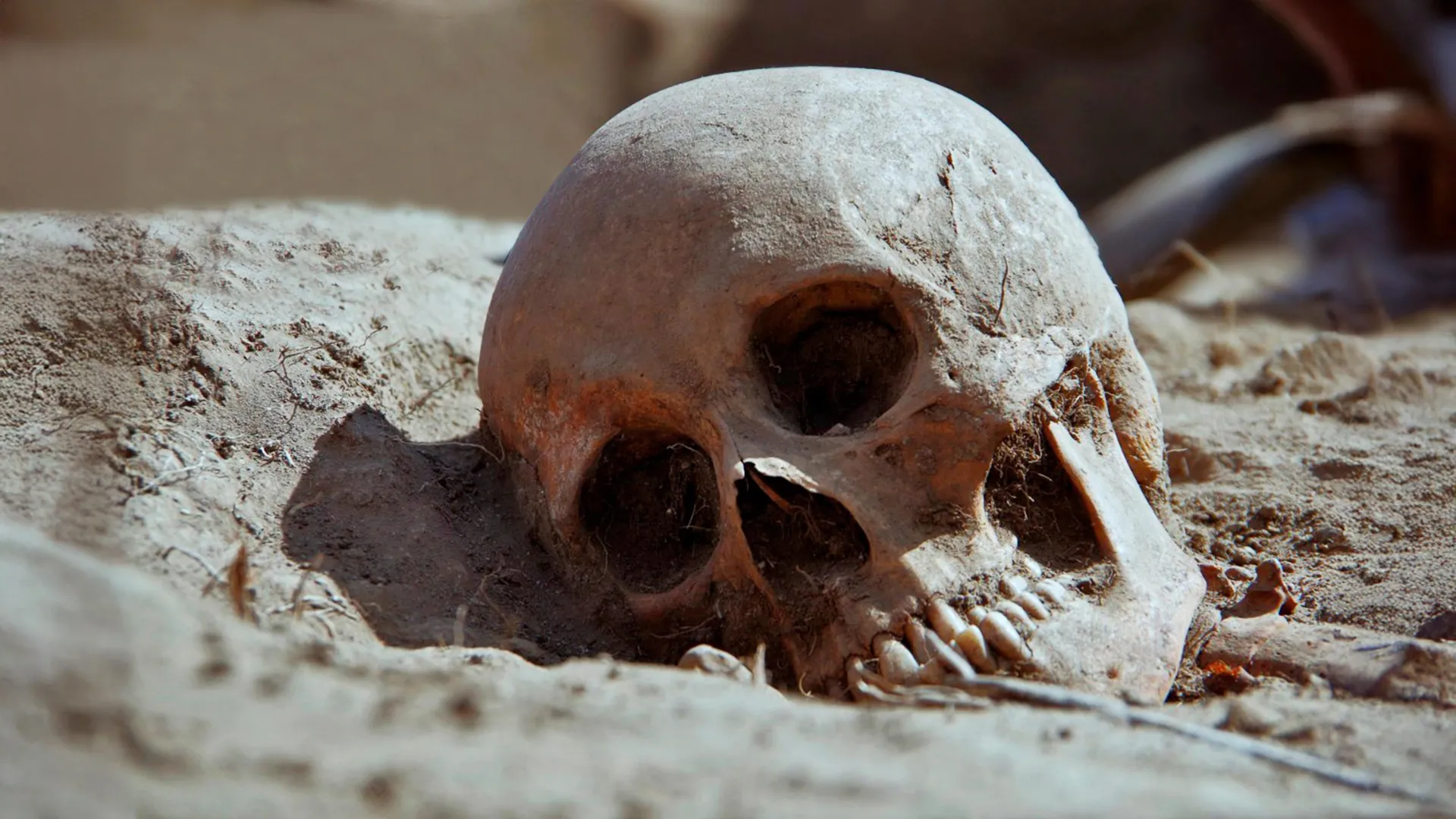
Researchers examining 3,500-year-old skeletal remains from Vietnam have uncovered evidence that diseases resembling syphilis circulated in Southeast Asia millennia before Columbus reached the Americas, forcing scientists to reconsider how they identify and interpret bone lesions from ancient infections.
The discovery centers on vertical transmission patterns, where diseases pass from mothers to children during pregnancy or birth. Bone lesions on infant skeletons from the Vietnamese site show characteristics long attributed exclusively to congenital syphilis, the severe form acquired in utero. Finding these lesions on remains predating European contact with the Americas by thousands of years suggests that scientists have been misidentifying the source of similar damage in other ancient populations.
The standard narrative of syphilis origins holds that European explorers brought the spirochete bacterium Treponema pallidum back from the Americas after 1492, where it spread rapidly through Old World populations with devastating consequences. However, this discovery indicates that treponeme infections capable of producing congenital disease existed long before that contact, complicating the established timeline.
Researchers believe the Vietnamese remains show evidence of yaws or other endemic treponemal diseases, not syphilis proper. These infections belong to the same bacterial genus but manifest differently and spread through different routes. Yaws transmits primarily through skin contact and causes characteristic bone deformities. The vertical transmission detected in these ancient skeletons suggests that strains circulating in Southeast Asia 3,500 years ago possessed reproductive capability that allowed mothers to pass infection to developing fetuses.
This realization carries methodological implications. Paleopathologists have relied heavily on bone lesion patterns as diagnostic markers for identifying ancient syphilis. A skeleton showing specific femoral bone deterioration or periostitis combined with evidence of young age at death often pointed toward congenital syphilis. The Vietnamese findings indicate these features alone cannot definitively establish syphilis presence in ancient populations. Similar lesions could reflect yaws, bejel, pinta, or other treponeme species that anthropologists have not yet catalogued in archaeological contexts.
The research raises questions about syphilis prevalence in pre-Columbian Americas and Europe. If treponeme infections with congenital transmission capability existed in Asia, similar pathogens may have circulated elsewhere. Some scholars have proposed that syphilis itself originated in the Americas and remained geographically isolated until 1492, while others have suggested Old World populations experienced milder strains that went unrecorded. This Vietnamese evidence opens a third possibility: that multiple treponeme species occupied different global regions with distinct transmission patterns and pathological signatures.
Future paleopathological studies will need to combine skeletal analysis with genetic sequencing when possible. DNA extraction from bone samples could distinguish between syphilis and other treponeme species, providing definitive identification impossible through morphological examination alone. Several research teams have begun ancient DNA projects targeting treponeme bacteria, though degradation in tropical environments like Vietnam complicates extraction.
The discovery illustrates how archaeological evidence challenges long-established narratives in disease history. Scientists must now view ancient bone lesions with greater diagnostic caution and recognize that similar presentations can arise from multiple pathogens with distinct epidemiological patterns.