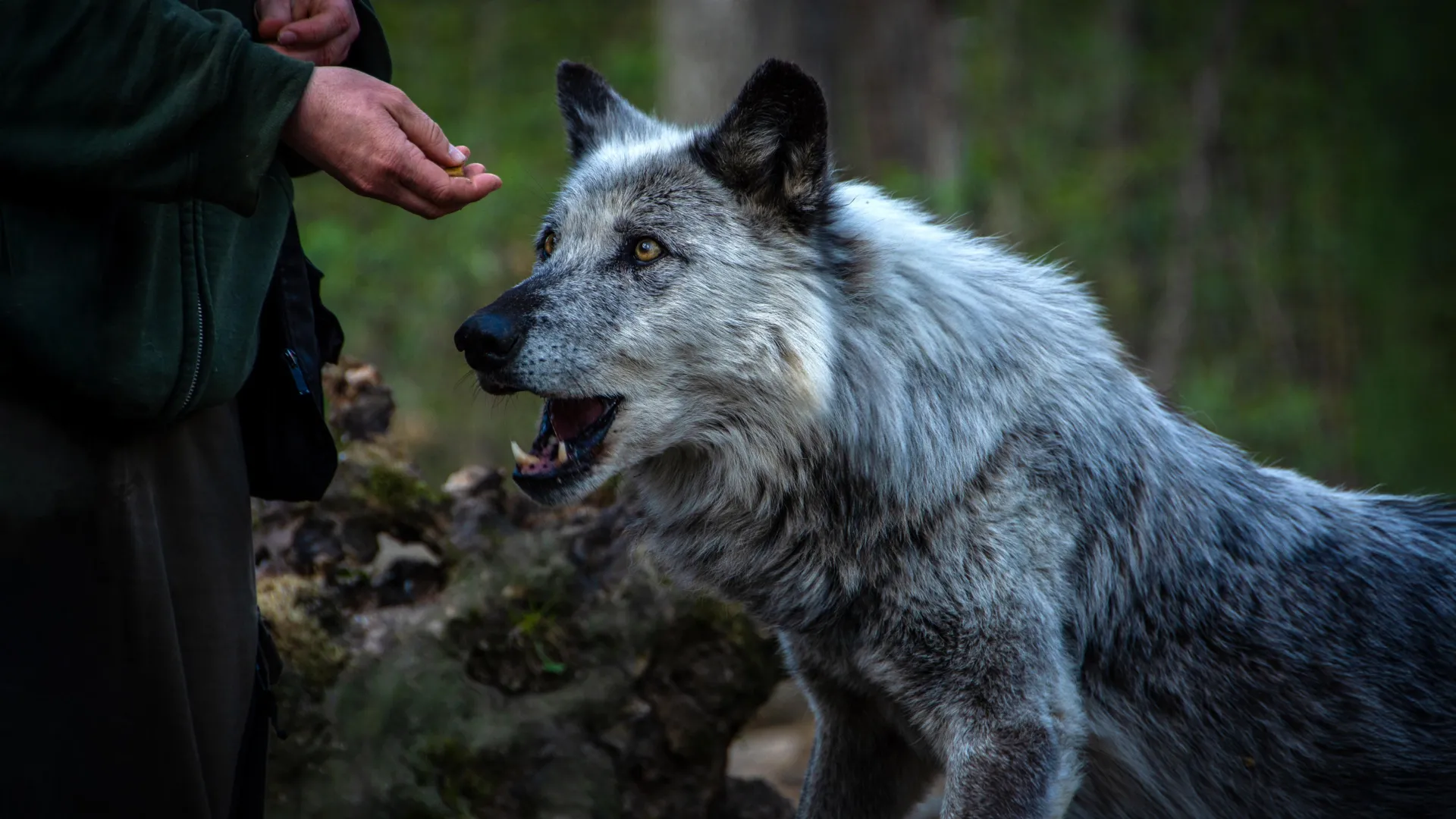
Dogs and humans have spent the last 15,000 years fundamentally reshaping each other through coevolution. What began as partnerships between early hunter-gatherers and wolves transformed into the modern diversity of dog breeds we see today, each adapted to specific environments and human needs.
This coevolutionary process created remarkable specialization across geography and function. Arctic regions produced powerful sled dogs built for extreme cold and heavy loads. Rainforest communities developed agile hunting dogs suited to dense vegetation. High-altitude populations bred dogs with genetic adaptations for low-oxygen environments. Some lineages were selected primarily for wool production, while others served critical spiritual or ceremonial functions in their cultures.
The relationship operated bidirectionally. Humans selected dogs for particular traits, but dogs simultaneously influenced human societies. Early partnership with canines improved hunting success, provided protection, and offered companionship. These advantages drove human tolerance and selective breeding of the most useful animals. Over millennia, intentional breeding intensified, producing the dramatic phenotypic variation visible in modern purebreds.
Modern genetic research has illuminated this process. Studies reveal how specific mutations became fixed in isolated populations, creating distinctive traits. Arctic dogs carry genetic variants enhancing cold tolerance. High-altitude populations show mutations affecting oxygen metabolism. Geographic isolation allowed different selection pressures to operate independently, generating diversity from a common ancestor.
The 15,000-year timeline places dog domestication among humanity's oldest deliberate animal partnerships. It preceded agriculture by several thousand years, making dogs humanity's first engineered species. This long shared history left imprints on both species. Humans modified dog behavior, morphology, and physiology. Dogs shaped human settlement patterns, hunting strategies, and cultural practices.
Understanding this coevolution provides insight into domestication processes generally and reveals how sustained selection produces extreme phenotypic variation. Modern dogs demonstrate that 15 millennia of human choice can generate