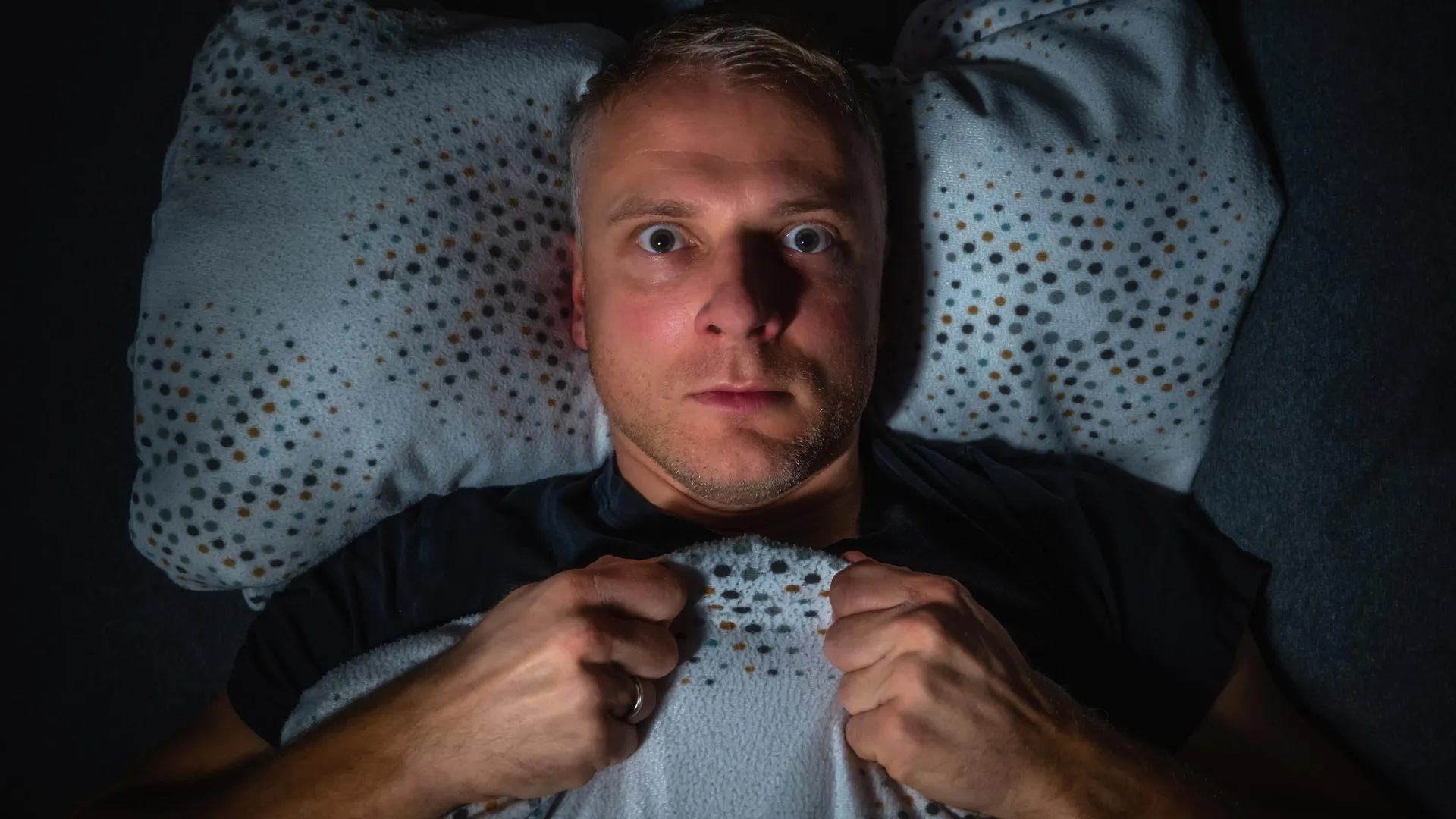
A prescription cannabinoid reduced trauma-related nightmares in patients with PTSD, with over one-third experiencing complete symptom resolution within ten weeks of treatment.
The study examined nabilone, a synthetic THC medication already approved by the FDA for chemotherapy-related nausea. Researchers administered the drug to PTSD patients whose nightmares had persisted despite other therapeutic interventions. The dramatic response rates suggest nabilone addresses a gap in current treatment options.
PTSD nightmares represent one of the disorder's most treatment-resistant features. While cognitive therapies and other medications help many patients, nightmare disorder frequently persists even after successful management of daytime PTSD symptoms. Sleep disruption from recurring nightmares impairs recovery and worsens overall psychiatric outcomes.
The mechanism behind nabilone's effect remains incompletely understood. The drug modulates endocannabinoid signaling in brain regions involved in fear processing and memory consolidation, including the amygdala and hippocampus. During REM sleep, when nightmares occur, cannabinoid receptor activity may dampen hyperactive threat-detection circuits characteristic of PTSD.
The results carry limitations. The study duration stretched only ten weeks, leaving long-term efficacy and safety profiles unclear. Researchers did not report whether symptom improvement persisted after treatment discontinuation or whether tolerance developed over time. Additionally, the mechanism of action in PTSD remains speculative, requiring further neurobiological investigation.
Nabilone also carries side effects. Common adverse events include dizziness, dry mouth, and cognitive effects. The drug's psychoactive properties raise concerns about misuse potential, though clinical experience with chemotherapy patients suggests controlled prescribing minimizes this risk.
The findings emerge as psychiatry searches for evidence-based nightmare treatments beyond imagery rehearsal therapy and prazosin, an antih