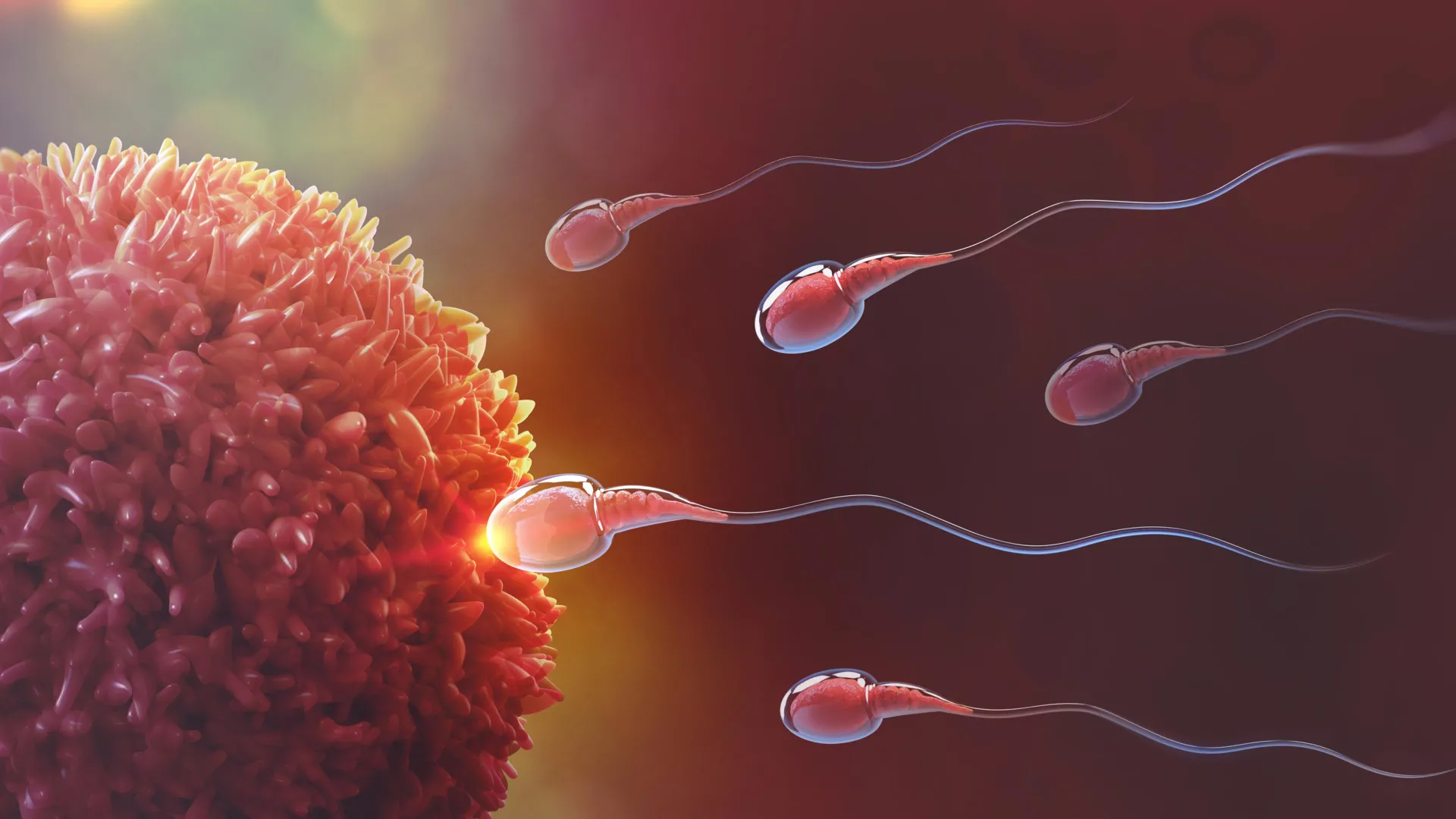
Researchers have discovered that sperm cooperation, not just competition, drives fertilization success across numerous species. A broad evolutionary analysis revealed that coordinated sperm teamwork appears frequently among arthropods and has repeatedly evolved and disappeared over vast timescales, upending the traditional narrative of individual sperm racing to the egg.
The study examined fertilization patterns across diverse arthropod groups, documenting cases where sperm function collectively rather than as solitary competitors. This cooperation takes different forms depending on the species. Some sperm may physically link together, while others coordinate chemical signals or divide labor during the journey to and penetration of the egg. The research shows this strategy has emerged multiple times independently across evolutionary history, suggesting it confers real reproductive advantages under certain conditions.
The findings reshape fundamental understanding of sperm biology. The "fastest sperm wins" model has long dominated reproductive science, emphasizing individual speed and aggression. This new work demonstrates that organizational efficiency and coordinated function can prove equally or more successful for reproduction, depending on environmental and physiological context.
The implications extend beyond basic biology. Understanding sperm cooperation mechanisms could refine fertility treatments for humans, where low sperm count or motility challenges couples seeking to conceive. Assisted reproductive technologies might benefit from insights into how sperm work together effectively. Additionally, the research opens pathways for pest-management applications. If scientists can disrupt sperm cooperation in agricultural pests or disease vectors like mosquitoes, they could develop novel control strategies targeting reproduction directly.
The evolutionary volatility of sperm teamwork—its repeated emergence and loss—suggests the strategy carries trade-offs. Conditions favoring cooperation shift across different ecological niches and reproductive systems. This flexibility indicates sperm behavior responds dynamically to environmental pressures rather than following a single evolutionary trajectory.
The study fills a significant gap in reproductive biology literature, which has historically concentrated on sperm competition. By documenting cooperation patterns systemat