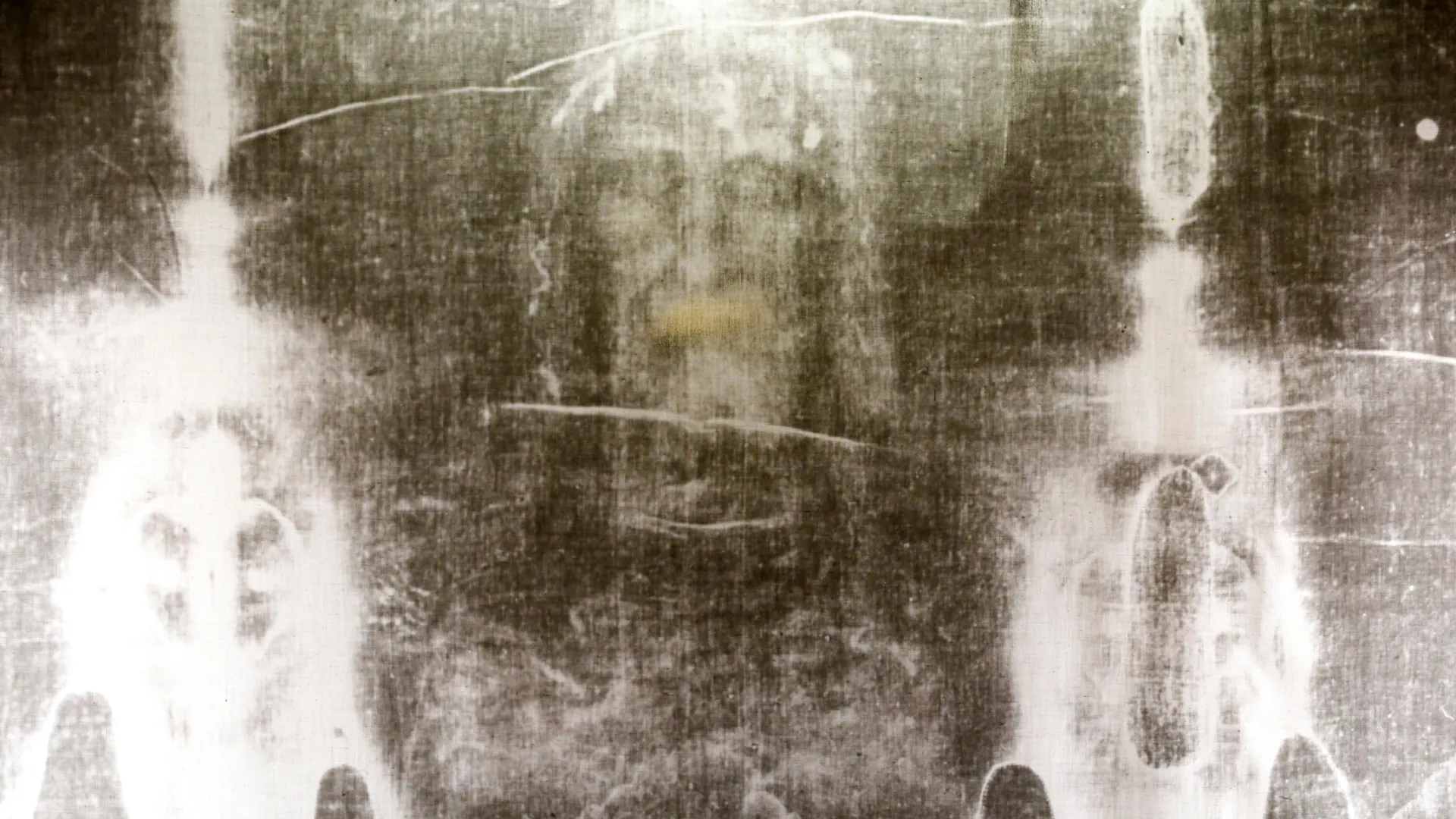
Researchers analyzing DNA from the Shroud of Turin have uncovered a complex biological archive embedded in the cloth's fibers, revealing centuries of human contact and environmental exposure.
The study identified genetic material from multiple human populations, microorganisms, plants, animals, and coral that accumulated on the relic as it traveled through different regions and passed through countless hands. This layered biological record reflects the shroud's documented history of movement across Europe and the Mediterranean since the 14th century.
The findings come from DNA sequencing technology that can extract and identify genetic fragments from microscopic samples. Rather than answering longstanding questions about the shroud's age or authenticity, the results document the cloth's complex interaction with its environment and handlers over more than 600 years.
The detected organisms and materials align with known locations where the shroud was kept or displayed. Coral DNA, for instance, suggests contact with Mediterranean regions during its historical journey. The mixture of human lineages points to handling by people from diverse geographic origins, consistent with the relic's role as a venerated object visited by pilgrims and clergy from across Europe and beyond.
Researchers note that the DNA analysis does not advance debates about whether the shroud is actually the burial cloth of Jesus Christ. Carbon-14 dating studies from 1988 suggested a medieval origin, though some scholars dispute those results. This DNA work operates on a different scientific level. It functions as a biographical record of the object itself, documenting what touched it rather than establishing its provenance or religious significance.
The biological signatures preserved in textile fibers offer archaeologists and conservation specialists a new tool for tracking artifact histories. Similar DNA analysis could be applied to other historical textiles or objects that have accumulated biological residue through handling and storage. The shroud's case demonstrates how modern genetic techniques can reveal hidden details about an object's physical journey through time, even when fundamental historical questions remain unresolved