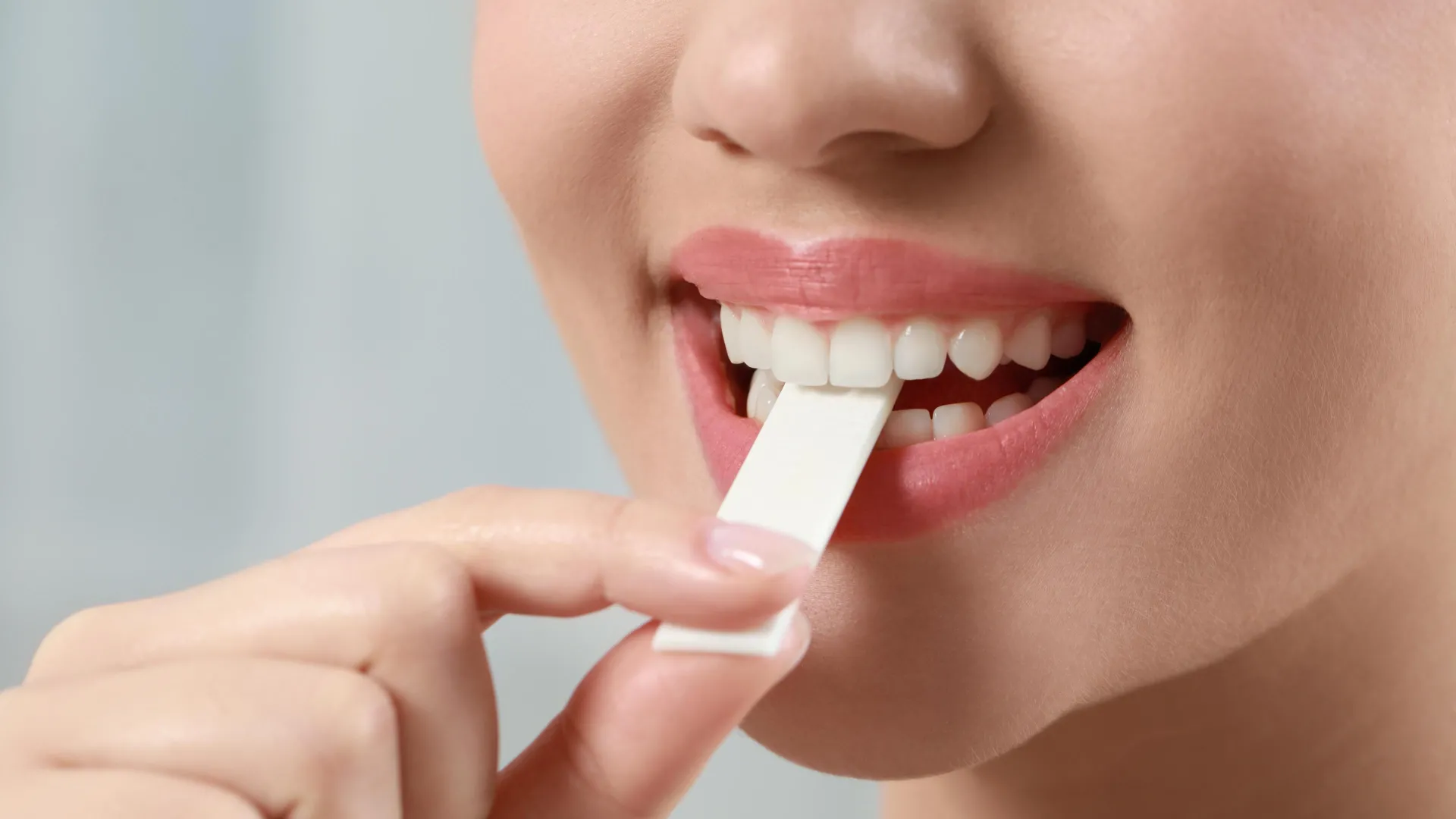
Researchers have developed a chewing gum formulation that reduces human papillomavirus (HPV) levels by up to 93 percent while nearly eliminating two bacteria associated with head and neck cancer. The engineered gum preserves beneficial oral bacteria, offering a potential alternative to current HPV treatments.
The gum works through a targeted antimicrobial approach. Rather than indiscriminately killing all mouth bacteria, the formulation specifically attacks pathogenic strains while leaving protective commensals intact. This selective action addresses a major limitation of conventional treatments, which often damage the oral microbiome and create conditions for secondary infections.
HPV infection ranks among the leading causes of head and neck cancers globally, with approximately 70 percent of oropharyngeal cancers linked to the virus. Current management options include vaccination, surgical intervention, and chemotherapy. Each carries drawbacks: vaccination targets prevention rather than active infection, surgery proves invasive, and chemotherapy carries significant side effects.
The engineered gum represents a non-invasive delivery mechanism with potential cost advantages over existing therapies. Chewing gum allows prolonged contact between active agents and oral tissues, maximizing antimicrobial efficacy. The formulation's ability to reduce two head and neck cancer-associated bacteria simultaneously addresses multiple risk factors in a single intervention.
The researchers did not specify which two bacterial species were targeted or provide details on the gum's specific active ingredients in the available summary. Additional information on clinical trial design, patient cohorts, and long-term safety profiles remains necessary for full evaluation.
The preservation of beneficial bacteria distinguishes this approach from broad-spectrum treatments. A healthy oral microbiome supports immune function and prevents pathogenic colonization. By maintaining this protective ecosystem while eliminating harmful organisms, the gum may reduce treatment-related complications.
Further investigation will determine whether laboratory results translate to clinical efficacy in human populations