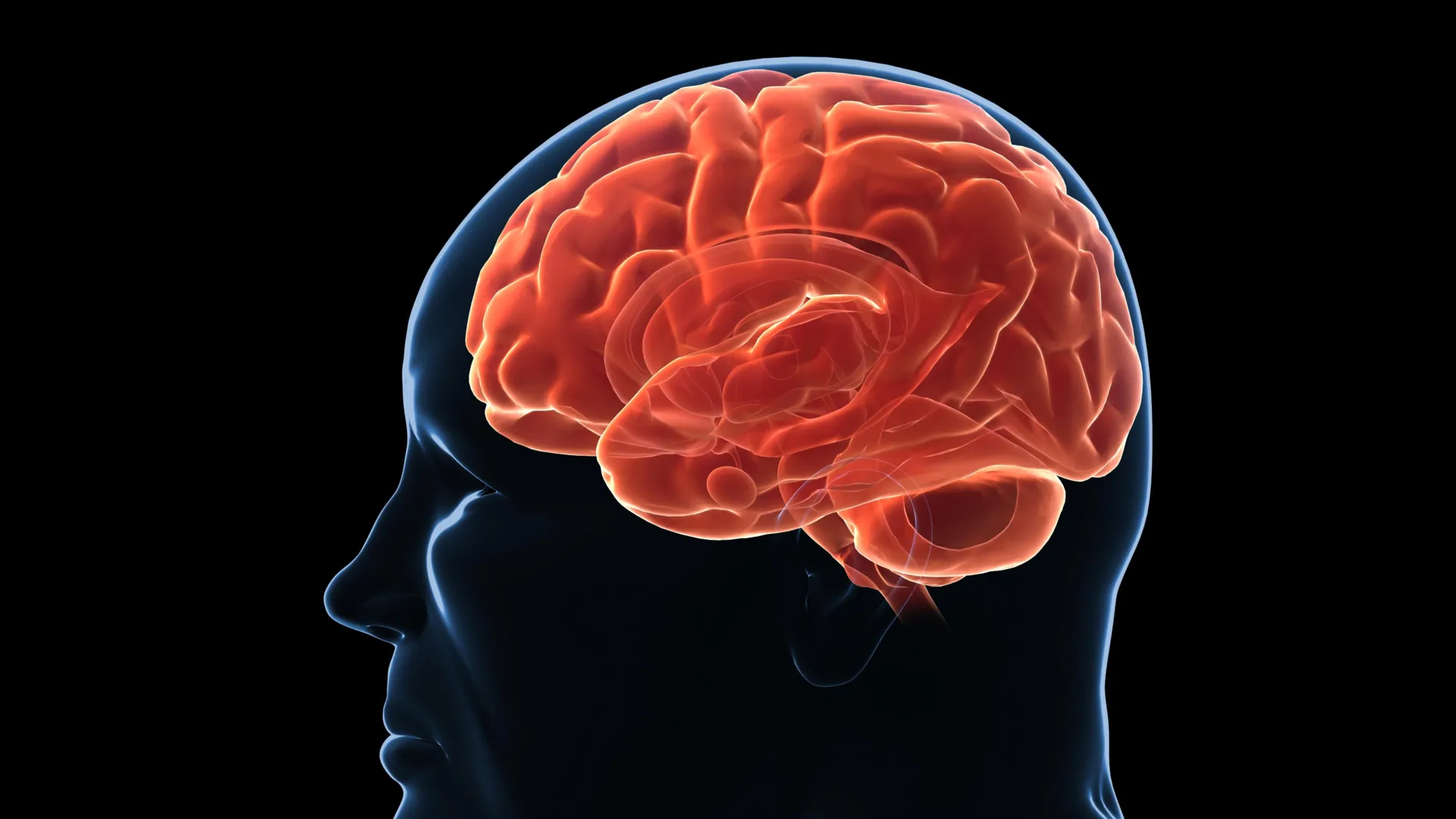
The human brain actively resists weight loss through evolved biological mechanisms that treat a person's previous higher weight as a physiological set point, according to research summarized in ScienceDaily.
When people lose weight, the brain interprets this as abnormal and initiates compensatory responses to restore body fat stores. These responses include increased hunger signals, intensified food cravings, and reduced energy expenditure. This system developed over millennia when food scarcity posed survival threats, and the brain's role was to preserve energy reserves during lean periods.
This neurobiological reality explains why willpower alone often fails dieters. After weight loss, the brain treats the lower weight as a temporary state rather than a new baseline, actively working against maintenance of the reduced body weight. Hunger hormones like ghrelin increase while satiety signals diminish, making adherence to caloric restriction progressively harder over time.
Medications like Wegovy, which contains semaglutide, and Mounjaro, containing tirzepatide, work by dampening these hunger signals and reducing appetite-driven eating. Both drugs manipulate the brain's appetite regulation pathways rather than relying on behavioral willpower alone. Clinical trials show these medications significantly improve weight loss outcomes compared to diet and exercise alone.
However, the research indicates a critical limitation. When patients stop taking these medications, the brain's appetite-suppressing effects fade, and the biological drive to regain weight returns. This explains documented cases where patients regain weight after discontinuing treatment, despite initial success.
The findings shift the conversation around obesity from individual responsibility to biology. Weight regain after dieting reflects not failure but rather sophisticated evolutionary adaptations working precisely as designed. Understanding this mechanism changes treatment approaches from emphasizing willpower to managing brain chemistry.
Researchers continue investigating whether sustained medication use, combined with behavioral strategies, offers better long-term outcomes. The work also highlights why