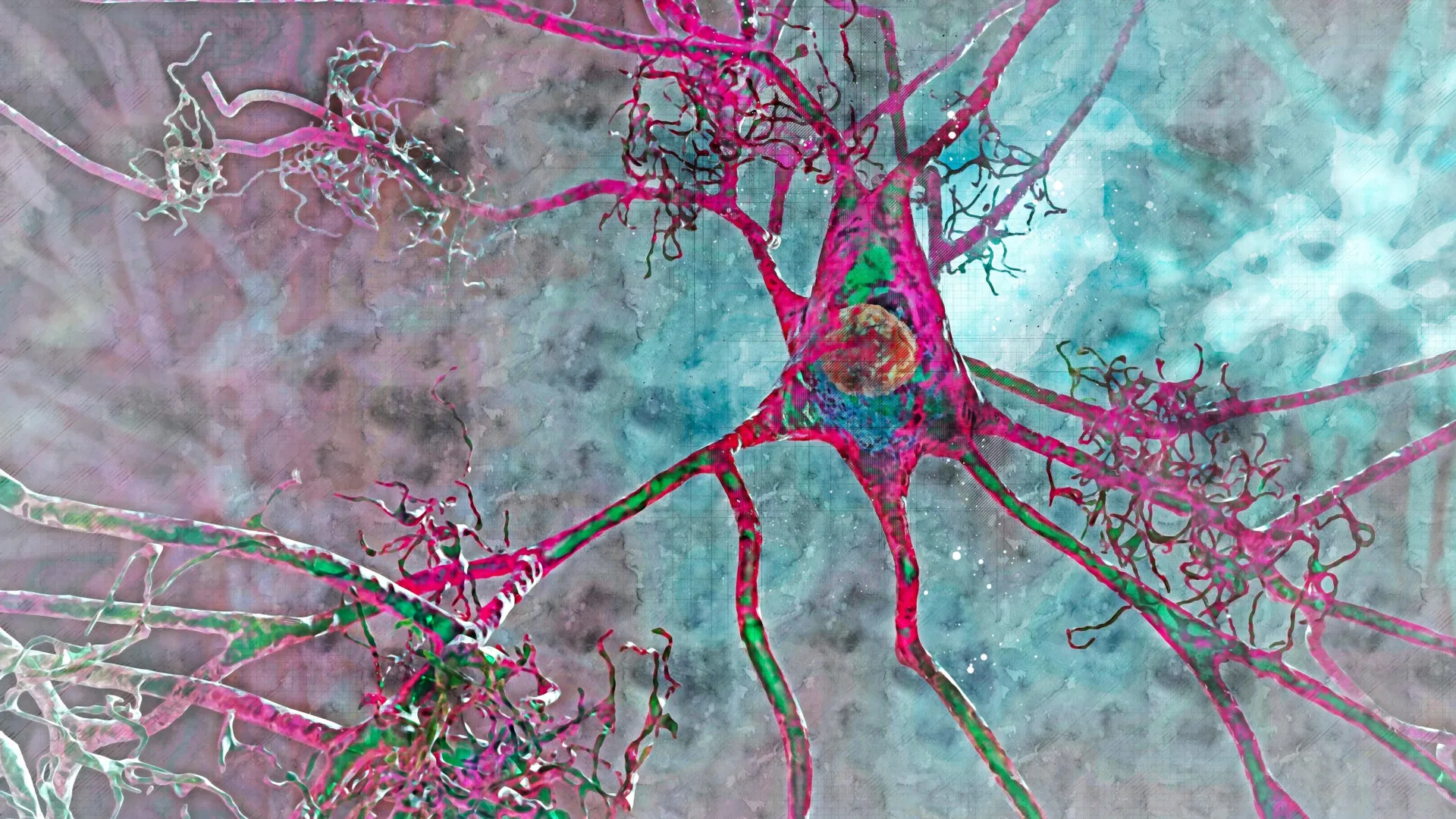
Researchers have identified a protein that accumulates with age and appears to drive neurological disease in aging brains. The protein EPS8 builds up over time and activates cellular signaling pathways that promote the clumping of toxic proteins, damaging neurons and reducing lifespan, according to studies conducted in the nematode Caenorhabditis elegans.
The buildup of misfolded proteins into aggregates is a hallmark of neurodegenerative diseases including ALS, Huntington's disease, and Parkinson's disease. Scientists have long sought to understand why aging increases susceptibility to these conditions. This work suggests EPS8 accumulation may act as a molecular trigger linking normal aging to pathological protein aggregation.
In the worm experiments, reducing EPS8 activity blocked the formation of toxic protein clumps and preserved neuronal function, even as the animals aged. This demonstrates a causal relationship between the protein and neurodegeneration rather than mere correlation. The findings open a new therapeutic avenue: targeting EPS8 could potentially slow or prevent age-related neurological diseases.
The research builds on decades of work showing that protein misfolding drives neurodegeneration. Previous studies have identified genetic mutations and environmental factors that accelerate this process. This work adds a key piece to the puzzle by identifying an age-dependent mechanism that promotes aggregation in normal aging.
The significance lies in understanding why aging itself represents the strongest risk factor for diseases like ALS and Huntington's. Rather than viewing these conditions solely as genetic or environmental problems, this research suggests aging changes fundamental cellular processes that make neurons vulnerable to protein toxicity.
Important limitations exist. The work used C. elegans, which has simplified neural biology compared to humans. EPS8 levels and function may differ in mammalian brains. Human studies would be necessary to confirm whether EPS8