# Private Billionaires Drive U.S. Lunar Ambitions as Space Competition Intensifies
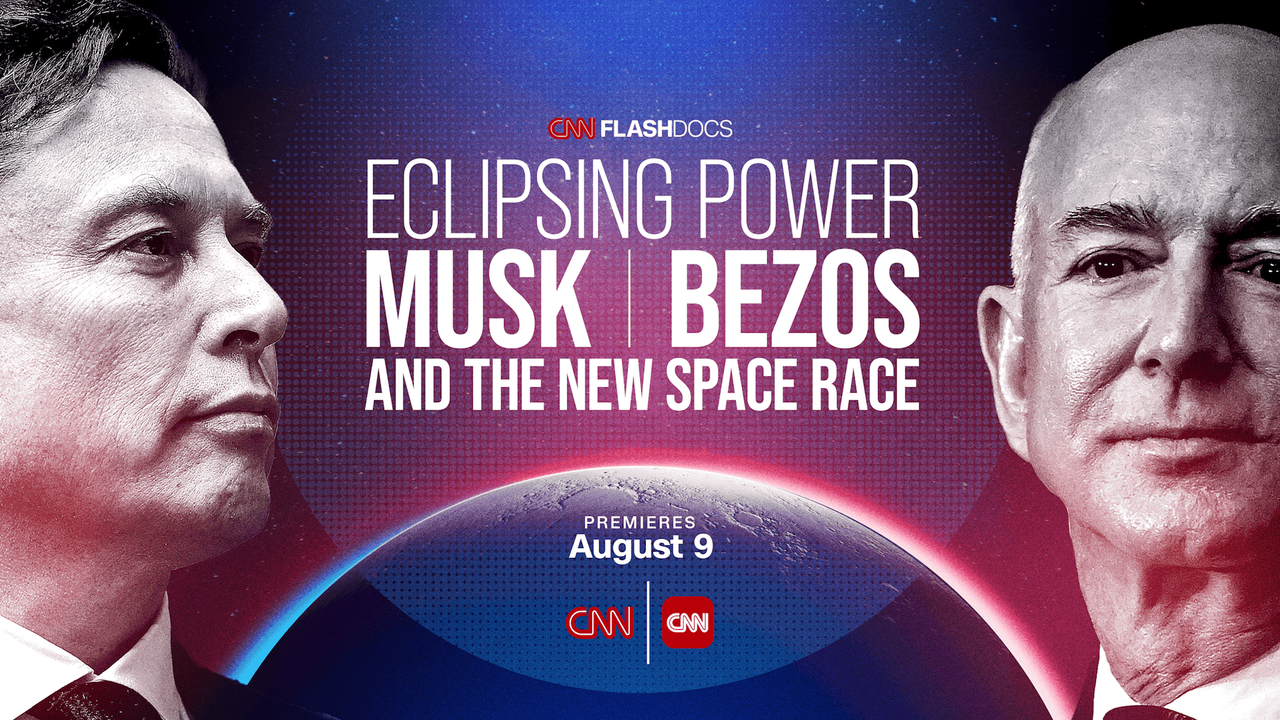
CNN's new documentary special "Eclipsing Power" examines how billionaire entrepreneurs Elon Musk and Jeff Bezos are reshaping America's lunar program and fueling competition with China for space dominance.
Musk's SpaceX and Bezos's Blue Origin have become central players in NASA's efforts to return humans to the moon. SpaceX developed the Starship vehicle, which NASA selected as the lunar lander for its Artemis program. Blue Origin produces the BE-4 engines powering United Launch Alliance rockets and developed its own New Glenn orbital vehicle for heavy-lift capacity.
Both companies represent a shift in space exploration strategy. Rather than relying solely on government contractors, NASA increasingly depends on private firms to develop and operate critical launch and landing systems. This public-private partnership reduces costs and accelerates development timelines compared to traditional government-led programs.
The documentary frames this competition within a broader geopolitical context. China has invested substantially in its lunar program and successfully landed robotic missions on the moon's far side. U.S. officials view rapid return to lunar orbit and surface operations as essential for maintaining technological leadership and securing long-term space resources.
Musk and Bezos compete intensely with each other while both work alongside NASA. SpaceX's Starship development, though marked by explosive test failures, has progressed rapidly. Blue Origin focuses on suborbital tourism through New Shepard while advancing its heavier-lift capabilities for deep space missions.
The "Eclipsing Power" special highlights how private ambitions align with national space goals. Both billionaires fund their space ventures through other business successes. Musk's wealth derives from Tesla and other ventures, while Bezos initially funded Blue Origin from Amazon profits.