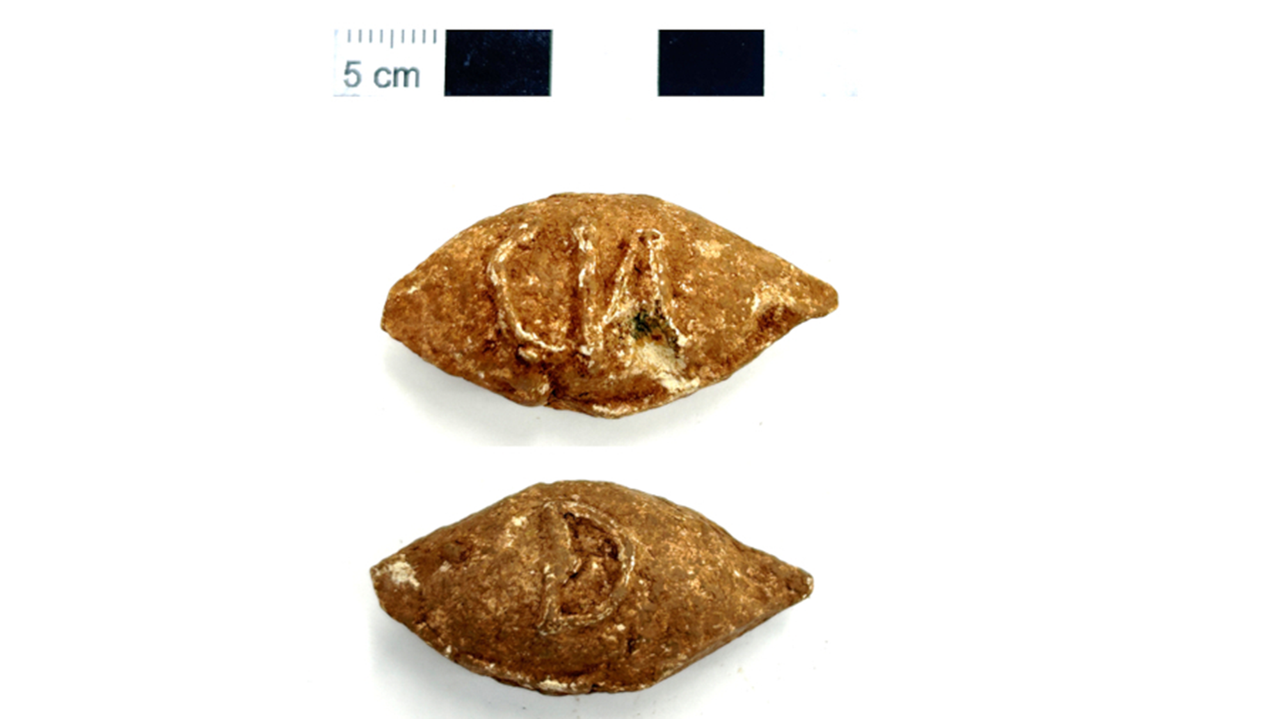
Archaeologists have identified the location of a Roman military camp in the Pyrenees of Catalonia, Spain, using lead bullets as evidence. The camp dates to 39 B.C. and was attacked by local forces during Rome's conquest of the Iberian Peninsula.
The discovery centers on sling bullets, projectiles made of lead that Roman soldiers and their adversaries used in combat. Researchers found these artifacts scattered across a site in the Catalan Pyrenees, allowing them to pinpoint where the Roman garrison had been positioned before the assault. The bullets bear markings and physical characteristics that distinguish Roman ammunition from locally produced projectiles, providing clear archaeological signatures of the conflict.
This camp represents a critical moment in Roman military history. During the late 1st century B.C., Rome was consolidating control over Spain's interior regions. Local populations mounted fierce resistance against legionary forces, and this particular camp appears to have been vulnerable to coordinated attack. The ambush likely resulted in significant Roman casualties, as the defenders used mountainous terrain to their advantage.
The lead bullets offer advantages over other archaeological evidence. Unlike pottery or organic materials, lead survives intact for millennia and leaves minimal chemical trace, preserving details about manufacture and use. Researchers can analyze the bullets' composition, shape, and distribution patterns to reconstruct the engagement's scale and intensity.
This finding adds specificity to existing historical accounts of Rome's Spanish campaigns. Ancient texts reference violent clashes in the Pyrenees, but pinpointing exact locations has proven difficult. Physical evidence like sling bullets bridges that gap between written history and geography.
The discovery also illuminates ancient military technology and tactics. Both Roman and Iberian forces relied heavily on sling warfare in mountainous regions where conventional formation fighting proved impractical. Understanding ammunition distribution at a battle site reveals how combatants positioned themselves and what strategies they employed.
Future