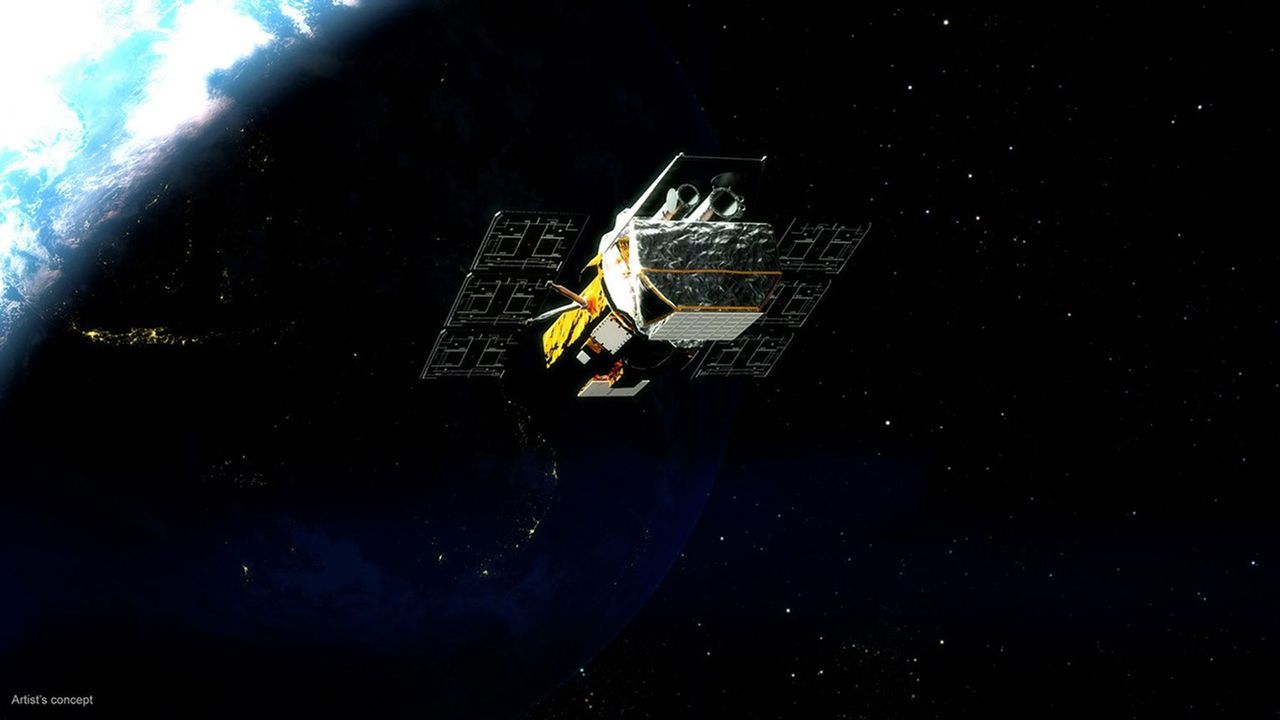
Katalyst Space's LINK spacecraft encountered an unexpected spin while attempting to rescue NASA's aging Swift gamma-ray observatory, forcing engineers to extend their recovery timeline. The spacecraft entered an uncontrolled rotation in orbit, requiring immediate intervention from mission control teams.
Swift has been observing gamma-ray bursts and other high-energy phenomena since 2004. The nearly two-decade-old satellite faces a critical decline in orbital altitude and will eventually fall to Earth without intervention. NASA selected Katalyst Space to conduct the first privately funded satellite servicing mission, tasking LINK with approaching Swift and slowing its descent to extend its operational life.
The unexpected spin represents a setback in an already ambitious undertaking. Katalyst Space teams worked to stabilize LINK's orientation and regain control of the spacecraft's trajectory. The company stated it remains committed to the rescue attempt, telling reporters, "We are not giving up yet."
Satellite servicing missions remain technically complex operations. LINK must execute a precise rendezvous with the tumbling Swift observatory, match its orbital velocity, and perform docking or proximity operations to attach a propulsion module. Any deviation in the spacecraft's attitude or position threatens mission success.
The delay allows Katalyst engineers additional time to diagnose what caused the unexpected spin and implement corrective measures before attempting the final approach to Swift. Understanding the failure mode proves essential for ensuring LINK's stability during the critical phases of rescue.
Swift's continued operation holds scientific value for the astronomical community. The telescope detects transient gamma-ray events that ground-based observatories cannot observe, providing data on supernovae, neutron star mergers, and other violent cosmic phenomena. Losing Swift would create a gap in humanity's ability to observe these events.
The mission timeline now stretches beyond original projections, but Katalyst Space continues working toward orbital recovery and Swift's eventual rescue.