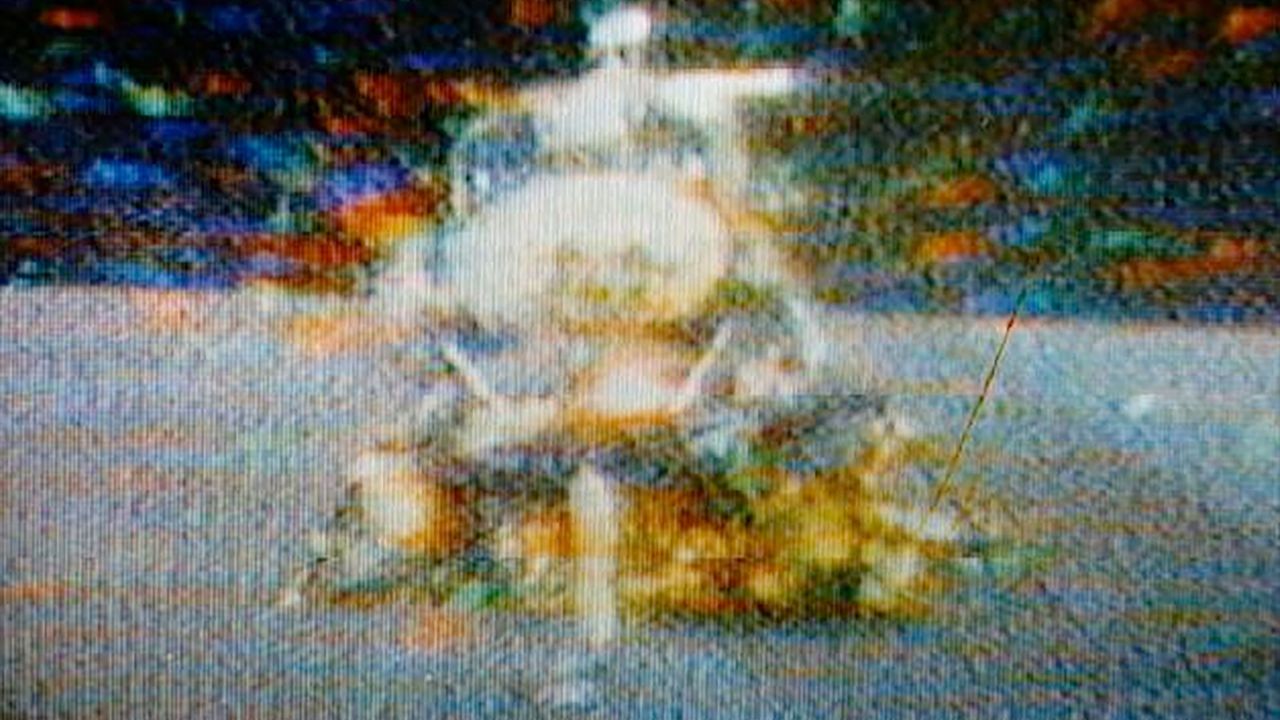
On August 2, 1971, Apollo 15's ascent module lifted off from the lunar surface while cameras transmitted the historic moment live to Earth. This marked the first time a liftoff from the moon appeared on television worldwide.
The Apollo 15 mission, crewed by David Scott, James Irwin, and Alfred Worden, spent three days exploring the Hadley-Apennine region of the moon. Scott and Irwin conducted four extravehicular activities totaling 18.5 hours on the surface, while Worden remained in lunar orbit aboard the command module.
The televised liftoff represented a technological breakthrough in space broadcasting. NASA engineers positioned a camera on the lunar surface that captured the ascent module's departure, relaying images across 238,900 miles of space to ground stations and television networks worldwide. The achievement demonstrated NASA's ability to conduct complex live transmissions from Earth's satellite.
Apollo 15 carried the first Lunar Roving Vehicle, an electric-powered cart that allowed astronauts to explore a wider area than previous missions. The rover traveled roughly 17.3 miles across the lunar terrain, enabling Scott and Irwin to collect 77 kilograms of moon rocks and conduct geological surveys.
The mission also deployed the first subsatellite into lunar orbit, which continued transmitting data about the moon's magnetic field and other properties after the main spacecraft departed. Worden conducted an unprecedented spacewalk during the trans-Earth coast, exiting the command module to retrieve film and data capsules from the scientific instrument module.
Apollo 15 returned to Earth on August 7, 1971, concluding one of the most scientifically productive Apollo missions. The televised liftoff established a precedent for broadcast space exploration, capturing public imagination and demonstrating that space missions could deliver live television moments of genuine historical significance. This